Market at a Glance: The Numbers Behind the Growth
The vacuum compression bags market has entered a period of sustained expansion. Valued at USD 1.33 billion in 2026, the market is projected to reach USD 1.82 billion by 2030, growing at a compound annual growth rate (CAGR) of 8.2%. This isn’t a fleeting trend — the broader home storage and organization market tells the same story, expected to climb from USD 7.55 billion in 2026 to over USD 11 billion within the decade.
See also: The Growing Demand for Space-Saving Storage Solutions in.
What’s driving this? Three megatrends: urbanization forcing consumers into smaller living spaces, the dominance of e-commerce as a distribution channel (65%+ of vacuum storage products are now sold online), and growing regulatory pressure for reusable — rather than single-use — packaging solutions.
For B2B importers, distributors, and private-label sellers, these numbers signal a market that is still in the middle of its growth curve. The question isn’t whether to enter, but how to position for maximum margin capture.
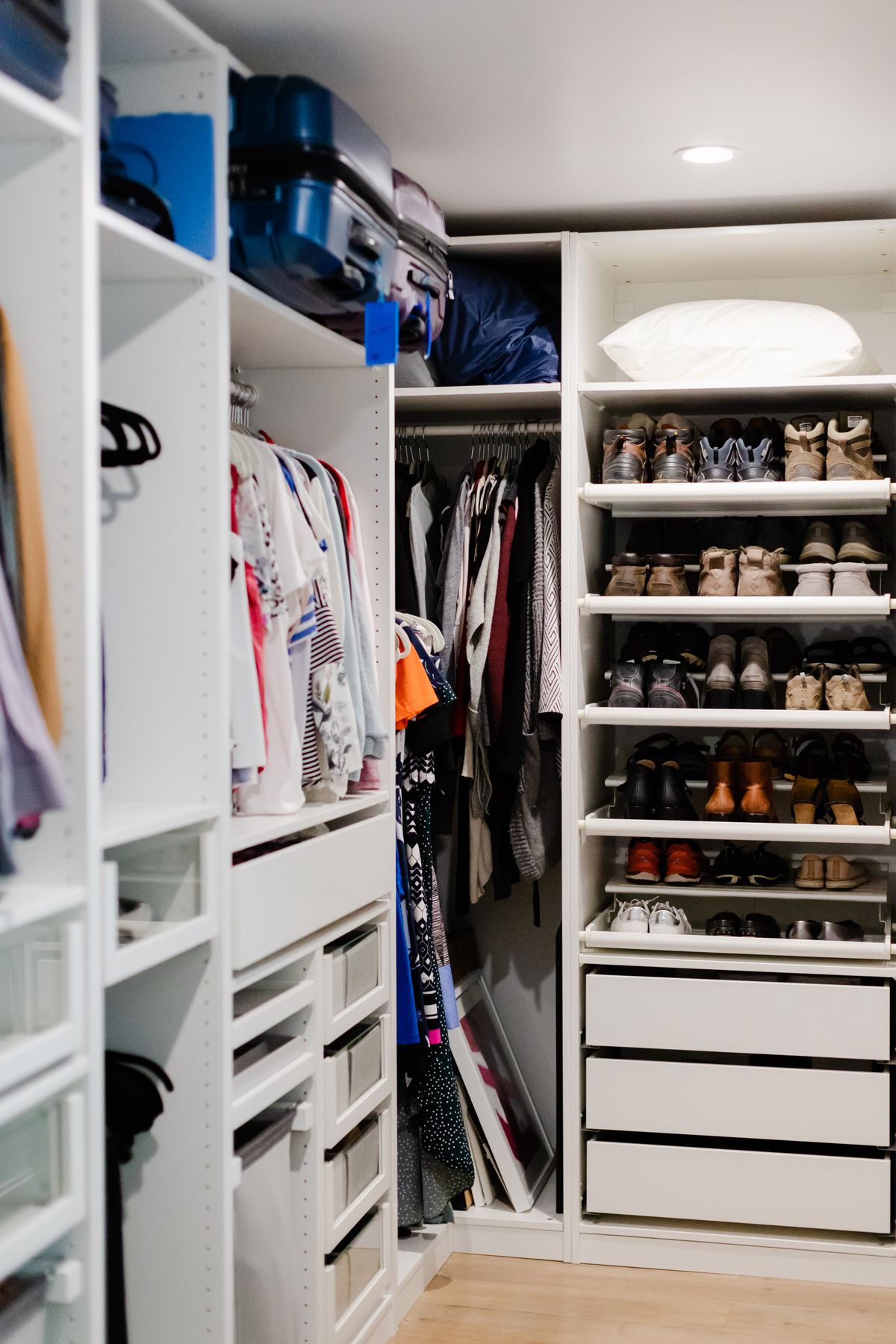
Urbanization and the Rise of Smaller Living Spaces
More than 75% of the European population and 83% of Americans now live in urban areas — and those numbers are climbing. In major European cities, the average apartment size has shrunk by an estimated 10-15% over the past two decades. Micro-apartments — units under 350 square feet — have surged in cities like London, Berlin, Paris, and Amsterdam.
This spatial compression creates a structural demand for space-saving storage solutions. Consumers who can’t add square footage compensate by compressing what they already own. Vacuum storage bags reduce volume by up to 75-80%, turning a bulky winter wardrobe into a fraction of its original footprint. For urban consumers, that’s not a luxury — it’s a necessity.
The behavioral shift is measurable: search volume for “vacuum storage bags” has increased by 35% year-over-year, with seasonal spikes in spring (decluttering) and autumn (seasonal rotation). B2B buyers who stock inventory aligned with these seasonal peaks capture disproportionate share.
See also: The Future of Vacuum Storage 2026-2030: Smart Home.
E-Commerce: The Dominant Sales Channel
E-commerce now accounts for over 65% of vacuum storage bag sales, a figure that continues to rise. Platforms like Amazon, Bol.com (Netherlands/Belgium), Otto.de (Germany), and Allegro (Poland) have become the primary discovery and purchase channels for consumers across Europe and North America.
This channel shift has profound implications for B2B sourcing strategy:
- Amazon FBA compliance matters. Products must meet dimensional weight requirements to avoid punitive storage fees. Vacuum compression bags — which ship flat and occupy minimal cubic volume — are inherently FBA-friendly. For sellers using Amazon FBA, this translates to lower fulfillment costs per unit.
- Multi-pack bundles dominate. Online shoppers favor value bundles (6-pack, 8-pack, 12-pack assortments) over single units, with bundle SKUs commanding 2-3x higher average selling prices. Importers who configure their product mix around bundles capture higher per-transaction revenue.
- Review velocity drives ranking. Products with 100+ reviews consistently outrank newer listings, making private-label launch strategies — including branded packaging, insert cards, and post-purchase follow-up — essential for breaking into competitive categories.
B2B e-commerce itself is growing at 14.5% CAGR, creating parallel opportunities for wholesale distributors who digitize their catalog and offer API-based ordering to retail buyers.
Sustainability as a Competitive Advantage
The European Union’s Packaging and Packaging Waste Regulation (PPWR), enacted by the European Commission, mandates sharp reductions in single-use packaging by 2030, with binding reuse targets for transport and grouped packaging. In this regulatory environment, reusable products aren’t just preferred — they’re becoming required.
Vacuum compression bags align with this shift. A quality multi-layer PA+PE bag delivers 10-20+ cycles of reuse, compared to 3-5 cycles for single-layer PE alternatives and zero for disposable packaging. As the Ellen MacArthur Foundation has documented, reusable packaging models represent a USD 10 billion-plus business opportunity globally.
Consumer sentiment reinforces the regulatory push. According to McKinsey’s packaging sustainability survey, 57% of consumers are willing to pay a premium for sustainable packaging — and European buyers lead this trend. For B2B importers, sourcing reusable vacuum storage bags with credible certifications (CE, FDA, REACH compliance) is not just a quality play — it’s a market-access requirement.
See also: Travel Compression Bags: The B2B Importers Guide to.
Meanwhile, the OECD’s Global Plastics Outlook reports that 40% of all plastic waste comes from packaging, and only 9% is recycled globally. Products that demonstrably reduce single-use plastic consumption benefit from both regulatory tailwinds and consumer preference.
Europe vs. North America: Two Markets, Different Drivers
While both regions represent roughly equal market share — Europe at approximately USD 450 million (30% global) and North America at USD 420 million (28%) — the demand drivers differ in ways that matter for sourcing and marketing strategy.
Europe: Sustainability is the dominant purchase motivator. CE certification is table stakes; REACH and RoHS compliance are increasingly requested by distributors. German, Dutch, and Scandinavian buyers prioritize material transparency and lifecycle documentation. Vacuum storage bags dominate the space-saving category (75% of sales vs. compression-only alternatives), reflecting a preference for maximum volume reduction.
North America: Convenience and value drive the market. Amazon’s Climate Pledge Friendly badge is gaining influence, but price-per-unit and bundle configuration remain the primary conversion levers. The US market splits more evenly between vacuum and compression bags (65/35), with travel-specific compression sets gaining traction among the 35-and-under demographic.
For importers sourcing from China, this means different product configurations for different destination markets. European-bound shipments demand higher-spec PA+PE multi-layer film with full certification documentation. North American shipments can succeed with tiered product lines — premium vacuum bags for the brand-conscious segment, value compression bags for price-sensitive channels.
What This Means for B2B Importers and Distributors
The vacuum compression bag market in 2026 rewards three strategic behaviors:
See also: Eco-Friendly Vacuum Storage: How Reusable Compression Bag….
1. Source with certification in mind. CE, FDA, and REACH aren’t optional for serious B2B players. Factories in Qingdao, Shandong — China’s premium vacuum bag manufacturing hub — offer CE/FDA-certified production with automation rates exceeding 95%. Choosing a supplier with existing certification shortens your time-to-market by months.
2. Build for e-commerce from the factory floor. Flat-pack design, FBA-compliant dimensional weight, and retail-ready packaging with barcodes and branding should be part of the manufacturing spec — not an afterthought. Importers who integrate packaging design into their sourcing contract capture margin that others lose to repackaging costs.
3. Position for sustainability second, product features first. European buyers expect eco-credentials as a baseline; they make purchase decisions on performance (volume reduction rate, vacuum retention, puncture resistance). Lead with technical specs and validate with sustainability certifications — not the reverse.
The market is growing, the channel is digital, and the regulatory environment favors reusable solutions. For B2B buyers who source strategically from certified manufacturers, the next five years represent a rare alignment of consumer demand, regulatory pressure, and channel efficiency.
For more on sourcing premium vacuum compression bags, see our complete import guide, our technical deep dive on PA+PE film, or explore our private label packaging guide for building your own branded product line. Ready to start sourcing? Contact our team to discuss your requirements.