When B2B packaging buyers think about market expansion, the Middle East rarely tops the list. Europe, North America, and Southeast Asia dominate the conversation. But a quiet transformation is underway: the GCC home organization and storage market is projected to cross $2 billion by 2028, with vacuum compression bags emerging as one of the fastest-growing sub-segments. And Dubai — with its unmatched logistics infrastructure, re-export capabilities, and consumer spending power — is the gateway. Here’s what vacuum bag manufacturers, distributors, and brand owners need to know about this rapidly expanding market.
The Market by the Numbers: Why the Middle East Matters Now
The GCC home storage market — encompassing vacuum bags, closet organizers, under-bed storage, and modular shelving — is growing at a compound annual rate of 7.2%, significantly outpacing the global average of 4.1%. Several structural factors are driving this growth:
Urbanization at Scale. The GCC’s urban population exceeds 85%, with Saudi Arabia’s Vision 2030 driving massive new residential construction — over 1.5 million new housing units planned by 2030. Each new apartment represents a customer who needs to maximize limited closet space. In Dubai alone, residential unit completions exceeded 45,000 in 2025, and each new household is a vacuum bag prospect.
Expat Turnover Drives Repeat Purchases. Approximately 88% of the UAE’s population are expatriates, and annual population churn runs at 8-10%. Every relocation — whether arriving or departing — triggers demand for space-saving storage solutions. Moving companies in Dubai report that vacuum compression bags are the #1 requested packing accessory, ahead of wardrobe boxes and bubble wrap.
Climate-Specific Demand. The GCC’s extreme summer temperatures (45C+/113F+) create seasonal clothing storage needs. Winter wardrobes, bulky abayas and kanduras, and seasonal bedding all get packed away for 6-8 months — and vacuum bags are uniquely suited for protecting textiles from humidity, dust, and pests during long-term storage. This isn’t a niche use case; it’s a structural, recurring demand driver specific to the region.
Rising E-Commerce Penetration. The UAE has the highest e-commerce penetration in the Middle East at 71% of internet users shopping online. Amazon.ae (formerly Souq.com) and Noon.com dominate, but niche home organization brands are finding traction through Instagram and TikTok Shop — platforms where UAE consumers spend an average of 3.5 hours daily, among the highest in the world.
Dubai as a Re-Export Hub: Serving Africa, South Asia, and Central Asia
Dubai’s strategic value for vacuum bag brands extends far beyond the 10 million consumers in the UAE. The emirate is the world’s third-largest re-export hub (after Hong Kong and Singapore), serving as a distribution gateway to markets representing over 2.5 billion consumers.
Africa. Dubai’s re-export trade with Africa exceeded $50 billion in 2024, growing at 15% annually. Vacuum bags shipped from Dubai to markets like Nigeria, Kenya, Egypt, and South Africa benefit from: (a) consolidated LCL shipping that reduces per-unit freight costs by 30-40% compared to direct China-Africa routes, (b) Dubai’s free trade zone infrastructure (JAFZA, DAFZA, DMCC) offering 0% corporate tax, 100% foreign ownership, and duty-free re-export, and (c) trade finance mechanisms through Dubai banks that African buyers are more comfortable with than direct China transactions.
South Asia. Pakistan, Bangladesh, and Sri Lanka are experiencing rapid retail modernization, with organized retail growing at 12-18% annually. Dubai-based distributors serve these markets through established dhow and container feeder routes that operate weekly, offering delivery times of 5-7 days versus 25-30 days from Chinese ports.
Central Asia and CIS. Markets like Kazakhstan, Uzbekistan, and Azerbaijan are underserved by direct Asian supply chains. Dubai’s air freight connectivity (Emirates SkyCargo operates to 140+ destinations) makes it viable to serve these markets with small-parcel consolidation that would be uneconomical from China.
For manufacturers, the proposition is straightforward: ship a container from Qingdao to JAFZA, break bulk, and serve 15+ country markets from one GCC distribution hub. Many of our vacuum bag products are already stocked by Dubai-based distributors for exactly this model.
UAE Retail Landscape: Where Vacuum Bags Sell
The UAE retail ecosystem for home organization products spans multiple channels:
Hypermarkets and Supermarkets (40% of volume). Carrefour (Majid Al Futtaim franchise, 130+ UAE stores), Lulu Hypermarket (200+ GCC locations), and Union Coop dominate. These retailers stock vacuum bags in the household aisle or seasonal promotions section. Margins are tight (25-30% retailer margin), but volumes are high and brand visibility is excellent. Carrefour UAE’s private label team has been actively sourcing OEM vacuum bag suppliers — a significant opportunity for manufacturers capable of meeting their audit requirements.
Home Specialty Retailers (25%). Home Centre (Landmark Group, 85+ stores across MENA), IKEA (4 UAE stores with expansion plans), and Danube Home offer higher margins (35-45%) and attract a more affluent, storage-conscious customer. These retailers prefer branded, packaged vacuum bag sets with Arabic-English bilingual packaging and are willing to pay a premium for CE/FDA certified products.
E-Commerce (20%). Amazon.ae’s vacuum bag category has grown 43% year-over-year. Noon.com’s “Home & Kitchen” category expanded its storage subcategory by 60+ SKUs in 2025 alone. The e-commerce channel favors sellers who can provide A+ Content with Arabic translation and fast Prime-eligible fulfillment.
Dollar Stores and Discount Retailers (15%). Brands like Day to Day, 1 to 10, and Daiso Japan cater to the value-conscious segment and the massive labor force population. These channels require the most aggressive pricing but offer consistent, recession-resistant volumes.
Trade Show Calendar: Where to Meet Middle East Buyers
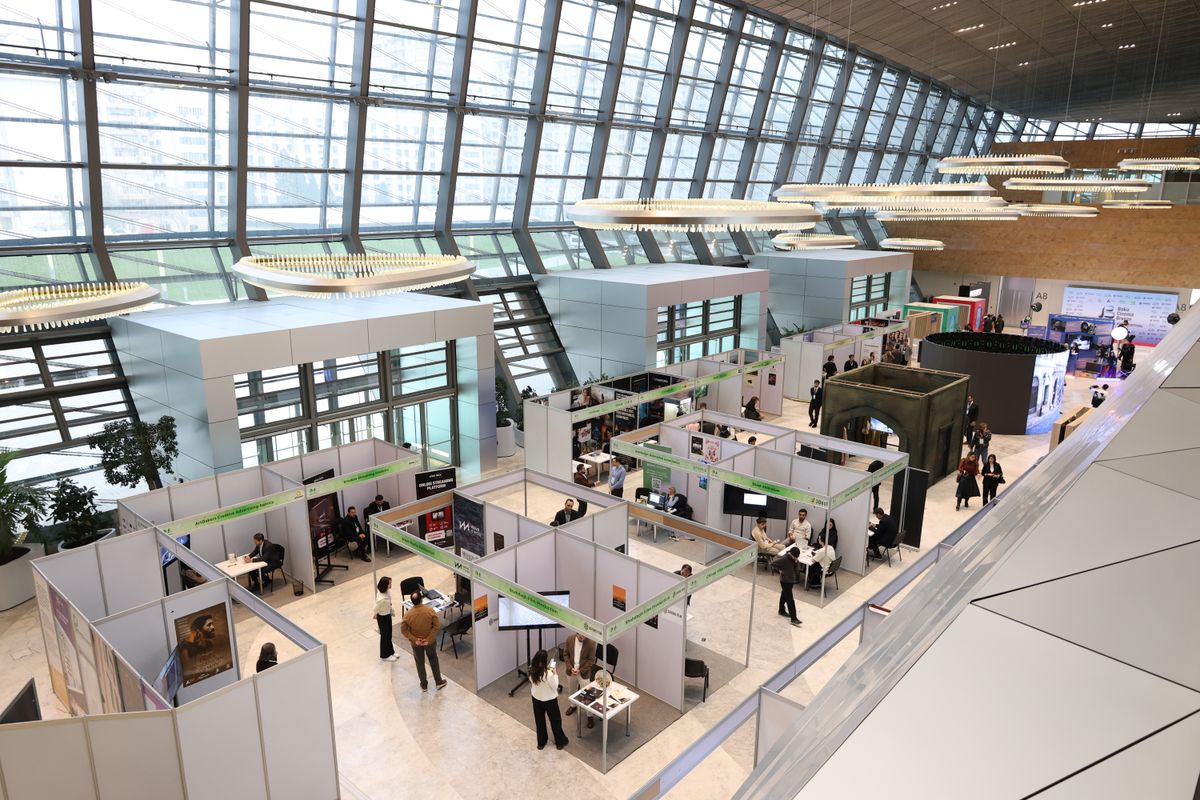
Face-to-face relationship building is non-negotiable in Middle East business culture. These are the key events where vacuum bag manufacturers should exhibit or attend:
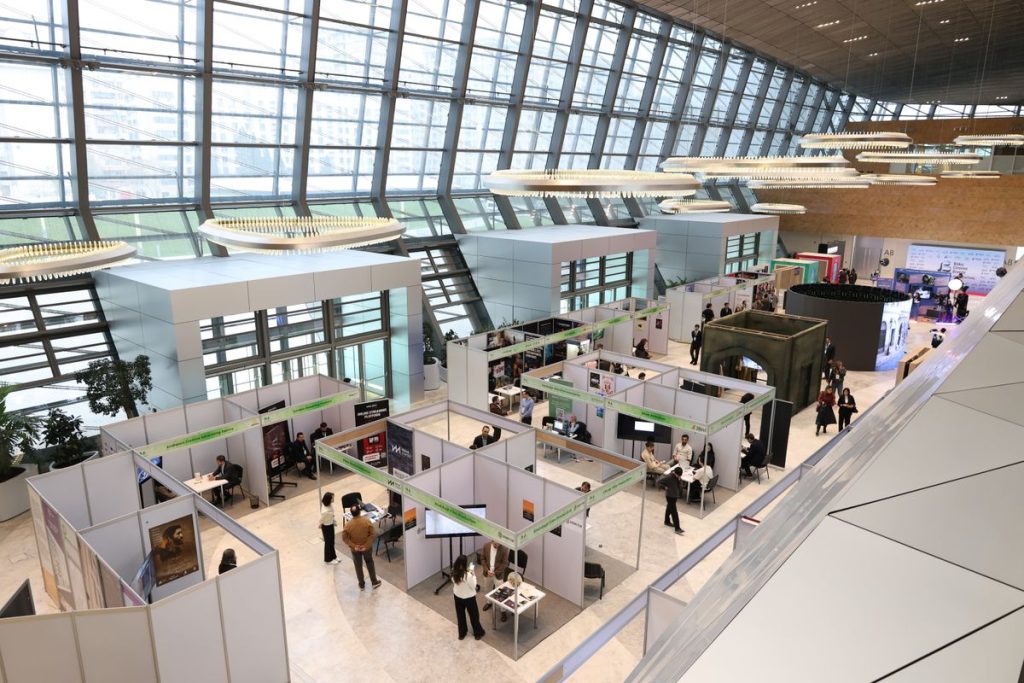
Arabian Travel Market (ATM Dubai) — April annually, Dubai World Trade Centre. While primarily a travel show, the luggage, packing, and travel accessories segment is a significant vacuum bag channel. Travel-sized compression bags are one of the fastest-growing product variants in the Gulf market.
The Hotel Show Dubai — May/June annually. The hospitality sector is a major institutional buyer of vacuum bags for linen storage, guest amenity kits, and housekeeping operations. Over 600 hotels operate in Dubai alone, each an opportunity for bulk B2B supply contracts.
Index Dubai (Interior Design Exhibition) — May/June annually. The premier home organization and interior design trade show in the region. Storage solution brands exhibit alongside furniture and closet system manufacturers, creating cross-selling opportunities.
Beautyworld Middle East — October annually. Cosmetic and personal care packaging — including travel-size compression pouches for toiletries — is a surprising but lucrative adjacent market for vacuum bag manufacturers with small-format production capabilities.
Arabplast — January 2027 (biennial). The region’s largest plastics and packaging trade show, held at Dubai World Trade Centre. This is the most directly relevant event for packaging manufacturers and raw material suppliers. If you can only attend one show, make it Arabplast.
Practical Entry Strategies for Vacuum Bag Brands
Entering the Middle East market doesn’t require a full office and warehouse from day one. Three entry approaches have proven successful:
Option A — Distributor Partnership (Lowest Risk). Appoint an exclusive or non-exclusive distributor based in Dubai’s free zones. They handle import clearance, warehousing, retail placement, and collection. You supply FOB Qingdao. Typical distributor margins are 20-30%. This model generated over $400,000 in annual vacuum bag sales for one of our GCC distributor partners within 18 months of launch.
Option B — Amazon.ae Direct (Medium Risk). Ship inventory to Amazon’s UAE fulfillment centers (DXB1, DXB3) and manage the marketplace yourself. Registration requires a UAE trade license (approximately AED 15,000/$4,100 through a free zone setup) and local VAT registration (5%). The advantage: you capture the full retail margin. The challenge: managing customer service in Arabic and competing against local brands with established review profiles.
Option C — Private Label for Regional Retailers (Low Risk, High Volume). Major UAE retailers like Carrefour, Lulu, and Home Centre are actively seeking OEM vacuum bag suppliers for their private label programs. Requirements typically include 10,000+ unit MOQ per SKU, bilingual packaging compliance, ISO 9001 factory certification, and 60-90 day payment terms. The margins are thinner, but one successful private label contract can deliver consistent, year-round production volumes that transform factory utilization and unit economics.
The Middle East home storage market is real, it’s growing, and it’s underserved by quality vacuum bag brands. The brands that establish distribution in Dubai now — before the market becomes crowded — will own the shelf space, the search rankings, and the distributor relationships that latecomers will struggle to displace. For more market intelligence and sourcing strategies, explore our blog or browse our full product catalog. Manufacturers interested in exploring the Middle East market can start with a conversation — contact our export team to discuss regional distribution partnerships, private label opportunities, and MOQ for Gulf market packaging specifications.