The $35 Billion Opportunity in Food-Grade Vacuum Packaging
The global food vacuum packaging market is projected to reach $35.7 billion by 2028, driven by sous vide cooking, meal prep services, and commercial kitchen efficiency demands. For B2B vacuum bag importers, food-grade bags represent a premium, high-retention category with fundamentally different requirements than clothing storage bags. Margins are 30–50% higher, but regulatory compliance is non-negotiable. Understanding the difference between standard PE bags and true food-grade vacuum bags is the first step to tapping this lucrative market.
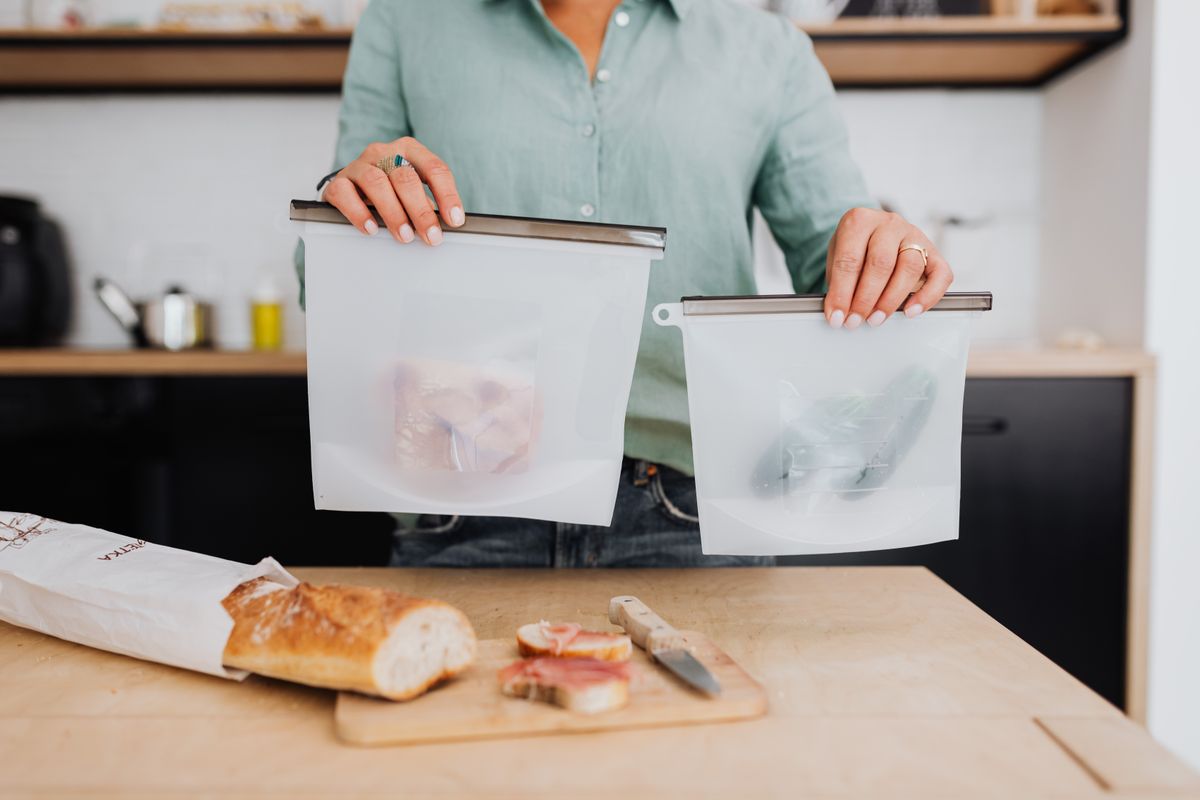
Food-Grade PE vs. Regular PE: What’s Actually Different?
Not all polyethylene is created equal. Food-grade PE film must meet stringent requirements that standard PE does not:
| Property | Standard PE (Clothing Bags) | Food-Grade PE (Sous Vide/Freezer) |
|---|---|---|
| Resin purity | Recycled or mixed-source OK | 100% virgin resin required |
| FDA 21 CFR compliance | Not required | Mandatory for US market |
| EU Regulation 10/2011 | Not required | Mandatory for EU market |
| Temperature range | -20°C to +60°C | -40°C to +100°C (sous vide) |
| Migration testing | Not performed | Required (overall migration limits) |
| BPA-free certification | Optional | Expected by market |
| Odor/taste transfer | Not controlled | Must be zero |
The material science behind food-grade films is covered in depth in our PA+PE multilayer technology guide. For B2B importers, the key takeaway is that food-grade certification adds approximately 15–25% to your per-unit manufacturing cost — and opens markets where customers pay 40–60% premium pricing.
Sous Vide: The Fastest-Growing Food Vacuum Application
Sous vide cooking has exploded from professional kitchens into home use. The global sous vide machine market grew 15.8% CAGR from 2020–2025 and shows no signs of slowing. Sous vide requires vacuum bags that withstand sustained temperatures of 55–85°C for 2–48 hours without leaching chemicals or losing seal integrity. Key specifications for sous vide-grade bags:
- PA/PE multilayer construction (nylon for strength, PE for sealability)
- Minimum 90-micron thickness for extended cook times
- Embossed or channel-textured inner surface for efficient air evacuation
- FDA-compliant with documentation traceable to batch numbers
Commercial sous vide operations (restaurants, catering, meal delivery) order in bulk — 5,000–50,000 bags monthly. They value consistency over price and stick with suppliers who pass audits. See our materials comparison for technical specifications.
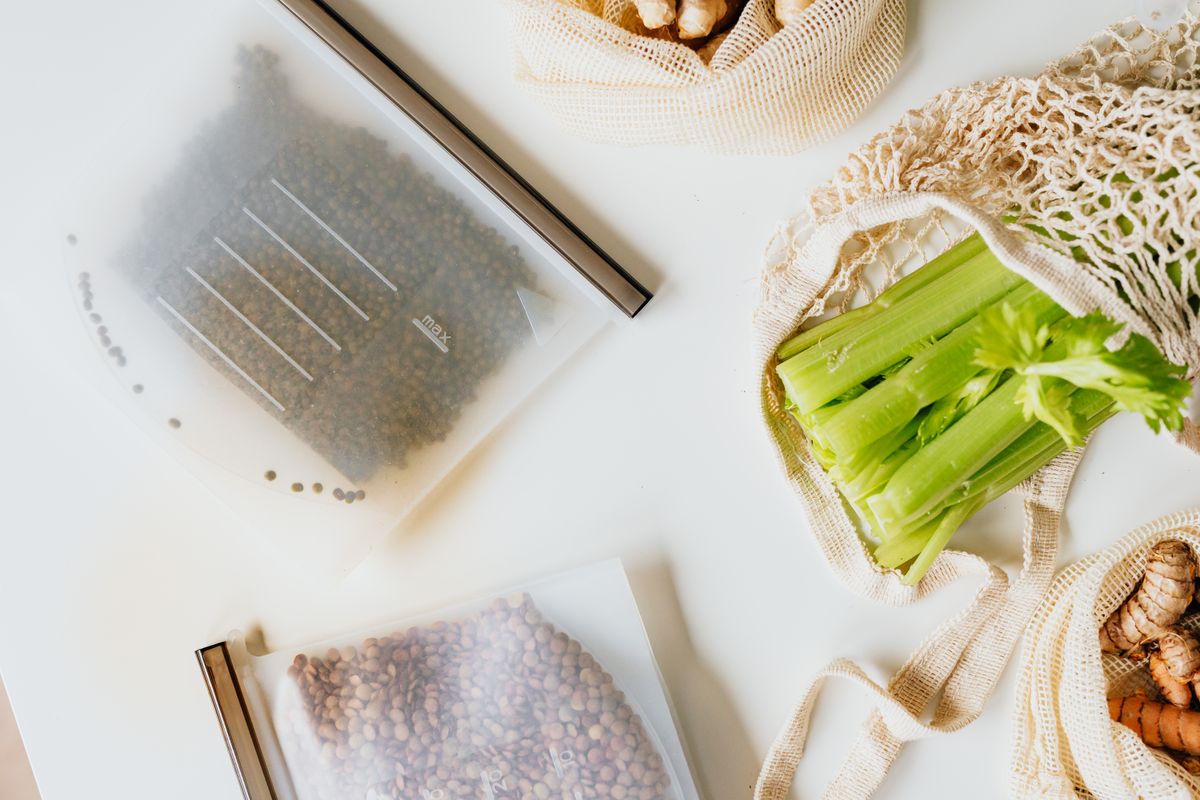
Commercial Kitchen & Restaurant Supply Chains
Restaurants use vacuum bags for three primary purposes: bulk ingredient storage, portion control, and sous vide cooking. A mid-sized restaurant goes through 200–500 vacuum bags weekly. The B2B sales cycle differs from consumer ecommerce:
- Decision-makers: Executive chefs, purchasing managers, or food service directors
- Sales channels: Restaurant supply distributors (Sysco, US Foods), specialty kitchen suppliers, direct B2B ecommerce
- Pricing model: Contract-based with quarterly or annual volume commitments
- Certifications required: FDA, HACCP compliance documentation, sometimes NSF
- Typical order size: $2,000–$15,000 initial, $500–$3,000 monthly reorders
For importers, the restaurant channel is relationship-driven. Cold outreach works, but trade shows (National Restaurant Association Show, Gulfood) are where deals happen. Complement this with warehouse management systems that support commercial order fulfillment.
Freezer Storage: The Overlooked B2B Goldmine
Freezer-grade vacuum bags serve meat processors, seafood distributors, frozen meal manufacturers, and bulk food storage operations. Requirements include: cold-crack resistance down to -40°C, puncture resistance for bone-in products, and moisture vapor barrier properties. The freezer segment is less glamorous than sous vide but more stable — food processing companies sign multi-year supply contracts. Our B2B comparison guide breaks down market segments.
Margin Comparison: Food-Grade vs. Standard Vacuum Bags
| Metric | Standard (Clothing) Bags | Food-Grade Bags |
|---|---|---|
| Factory cost (FOB, per bag) | $0.55–$0.85 | $0.70–$1.10 |
| B2B wholesale price | $1.20–$2.00 | $2.50–$4.50 |
| Retail price (DTC) | $2.50–$4.00 | $5.00–$8.00 |
| Gross margin (B2B) | 40–55% | 60–70% |
| Customer retention rate | 30–50% | 70–85% |
| Regulatory complexity | Low | Medium-High |
The higher margins in food-grade are real but come with compliance costs. Budget $2,000–$5,000 for initial FDA food-contact testing per SKU. The ROI is strong: a single restaurant chain contract can justify the entire investment. Read our cost savings & ROI analysis for detailed modeling.
Getting Started with Food-Grade Vacuum Bags
Step 1: Identify your target sub-market (sous vide retail, restaurant supply, or food processing). Step 2: Request food-grade samples from 2–3 certified factories, including batch-specific FDA/EU compliance documentation. Step 3: Run the QC inspection checklist plus migration testing through a third-party lab like SGS or Intertek. Step 4: Start with 2–3 SKUs (quart and gallon sizes cover 80% of demand). Step 5: Build relationships with distributors — they’re the gatekeepers to commercial kitchen accounts. For latest market developments, check vacuum bag market trends 2026.
External resources: FDA Food Contact Substances | EU Food Contact Materials | NSF Food Equipment Standards | National Restaurant Association Research | Sous Vide Market Report