TL;DR: With 11.2 million U.S. households owning an RV and over 6 million leisure vehicles registered across Europe, the RV vacuum storage market represents a $120M+ annual B2B opportunity. RV owners spend an average of $3,500–$5,000 per year on accessories and upgrades, yet space optimization products remain underserved. Vacuum compression bags offer RV dealers, camping retailers, and Amazon sellers a high-margin, lightweight, repeat-purchase product perfectly aligned with the mobile living trend. This guide breaks down the market size, distribution channels, and actionable strategies for B2B buyers looking to capture this growing segment.
Why the RV & Camper Market Is Ripe for Vacuum Storage Products
The recreational vehicle industry is experiencing a structural transformation. What was once dominated by retirees has shifted dramatically — 38% of RV owners are now Millennials, and another 31% are Gen X, according to the RV Industry Association’s 2025 demographic profile. These younger buyers treat their RVs as mobile offices, adventure bases, and even full-time residences. With 1.2 million Americans now living in RVs full-time, the demand for space optimization has never been higher.
The global recreational vehicle market was valued at $56.9 billion in 2025 and is projected to grow at a CAGR of 4.8% through 2035 (GM Insights). Meanwhile, the RV accessory market is expected to reach $38.8 billion by 2033, growing at a CAGR of 6.2%. Within this ecosystem, vacuum compression bags — a product category that can reduce stored item volume by up to 75–80% — is strikingly underrepresented at retail and dealership levels.
Market Size: Quantifying the RV Storage Opportunity
How Big Is the Addressable Market for RV Vacuum Storage?
Let’s break down the numbers. The 11.2 million RV-owning U.S. households (ConsumerAffairs, 2026) represent a massive installed base. In Europe, the European Caravan Federation reports over 6 million leisure vehicles in circulation, with 215,000+ new registrations in 2025 alone. Australia adds another 750,000+ registered RVs. Conservatively, if just 5% of these owners purchase $30–50 worth of vacuum storage products annually, that’s a $120–200 million global retail market — and the actual addressable number is likely much higher when you factor in seasonal campers, renters, and van-lifers.
| Region | RVs in Circulation | New Registrations (2025) | Est. Annual Storage Spend/RV | Addressable Market |
|---|---|---|---|---|
| United States | 11.2M households | ~350,000 | $30–50 | $336M–$560M |
| Europe | 6M+ vehicles | 215,000 | $25–40 | $150M–$240M |
| Australia/NZ | 750,000+ | ~25,000 | $25–40 | $18M–$30M |
| Canada | 2.1M+ | ~50,000 | $30–45 | $63M–$94M |
| Global Total | ~20M+ | ~640,000 | $28–44 avg | $560M–$924M |
The Space Optimization Problem Every RV Owner Faces
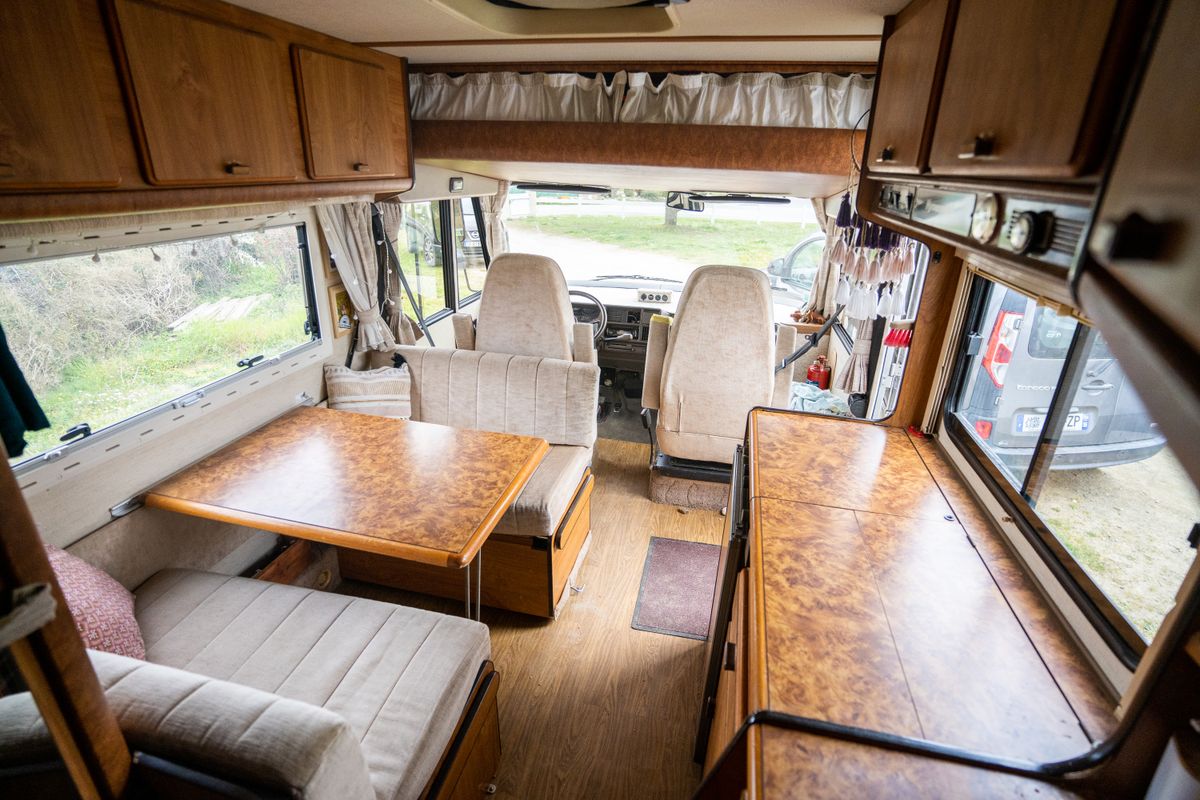
RVs and campers are defined by one immutable constraint: fixed cubic footage. A typical Class B campervan has 60–100 sq ft of living space. Even a large Class A motorhome rarely exceeds 400 sq ft. Within this footprint, owners must store clothing for multiple seasons, bedding, towels, outdoor gear, emergency equipment, pantry items, and personal effects.
Seasonal clothing rotation is the single biggest pain point. RV owners traveling across climate zones — say, from Arizona winters to Pacific Northwest summers — need both cold-weather and warm-weather wardrobes. Without compression, bulky items like winter jackets, comforters, and blankets can consume 30–40% of available closet and under-bed storage. Vacuum compression bags reduce the volume of these items by 75–80%, effectively quadrupling usable storage capacity for soft goods.
Vacuum compression — a storage method that removes air from sealed flexible bags to dramatically reduce the volume of soft goods — is the most cost-effective space optimization technology available to RV owners. Unlike rigid storage bins that consume the same volume whether full or empty, vacuum bags conform to available space shapes and shrink proportionally to contents.
Seasonal Storage: The Recurring Revenue Engine
Why Do RV Vacuum Bags Generate Repeat Purchases?
Unlike one-time accessory purchases, vacuum storage bags are a consumable product with natural reorder cycles. An RV owner typically needs:
- 4–6 bags for seasonal wardrobe rotation (winter/summer swap)
- 2–3 bags for bedding and linens
- 2–4 bags for outdoor gear and accessories
- Replacement rate: every 12–18 months due to wear and tear
This creates a $20–50 annual recurring purchase cycle per RV owner. For a dealership with 500 active service customers, that’s $10,000–$25,000 in annual parts-counter revenue from vacuum bags alone. An RV dealership survey by IDS-Astra found that aftermarket parts and accessories account for 12–18% of total dealership revenue, yet storage products represent under 2% — signaling a major untapped category.
B2B Buyer Personas: Who Should Stock RV Vacuum Storage?
RV Dealerships & Service Centers
RV dealerships are the highest-converting channel because they reach buyers at the moment of purchase and during service visits. A new RV buyer has just made a $50,000–$200,000 investment and is highly receptive to accessories that protect and optimize that investment. Dealerships can bundle vacuum bags into “new owner kits” or display them at the parts counter alongside other must-have accessories.
With ~2,500 RV dealerships in the U.S. alone, even modest penetration yields significant volume. If each dealership stocks $500–1,000 in vacuum bag inventory and turns it 4–6x annually, that’s a $5M–$15M wholesale channel.
Camping & Outdoor Retailers
Stores like REI, Cabela’s, Bass Pro Shops, and regional camping chains reach a broader audience that includes tent campers, overlanders, and van-lifers. This channel benefits from higher foot traffic and impulse purchase behavior. Vacuum bags positioned in the camping organization aisle (next to packing cubes and dry bags) convert well because the use case is immediately obvious.
Amazon & E-Commerce Sellers
Amazon search volume for “RV storage” and “camper organization” has grown 40%+ year-over-year. E-commerce sellers can target specific keywords like “RV vacuum storage bags,” “camper space saver bags,” and “motorhome compression bags” — all of which have moderate search volume and low-to-medium competition. The lightweight nature of vacuum bags (under 1 lb per set) makes FBA fees manageable, and the 60–70% gross margin at typical MSRP leaves room for competitive pricing.
RV Rental Fleets
Companies like Cruise America, Outdoorsy, and RVshare operate thousands of rental units. Each unit needs restocking of consumables between rentals. Providing vacuum bags as part of the rental kit (alongside linens and kitchen supplies) creates bulk recurring orders and enhances the renter experience.
Distribution Channel Economics
Here’s how the margins stack up across channels for a standard 6-pack vacuum bag set:
| Channel | Wholesale Cost (FOB) | MSRP | Retailer Margin | Annual Turnover Est. |
|---|---|---|---|---|
| RV Dealership | $3.50–5.00/set | $19.99–24.99 | 75–80% | 4–6x |
| Camping Retailer | $3.00–4.50/set | $17.99–22.99 | 75–80% | 6–8x |
| Amazon FBA | $2.80–4.00/set | $14.99–19.99 | 70–75% | 8–12x |
| Direct B2B Bulk | $2.00–3.00/set | N/A (private use) | N/A | 4–6x |
How to Position RV Vacuum Bags for Maximum B2B Sales
Step 1: Develop RV-Specific Packaging and Sizing
Generic vacuum bags miss the mark. RV-optimized sizing — bags that fit under-bed compartments (typically 6–8 inches tall), narrow closet spaces, and exterior storage bays — creates a differentiated product. Include size guides that map bag dimensions to common RV models (Winnebago, Airstream, Thor, Jayco).
Step 2: Create Bundled “RV Kits”
Rather than selling individual bags, offer curated kits: “Winter Storage Kit” (6 large bags for cold-weather gear), “Seasonal Switch Kit” (assorted sizes for wardrobe rotation), “Full-Timer Pro Kit” (12+ bags for full-time RV living). Bundles increase average order value by 40–60% compared to single-pack sales.
Step 3: Leverage RV Shows and Rallies
The RV industry hosts 100+ major shows annually across North America, from the giant RV SuperShow in Tampa (70,000+ attendees) to regional rallies. These events are prime opportunities for B2B product demonstrations, distributor networking, and direct-to-consumer validation.
Step 4: Partner with RV Influencers and Content Creators
YouTube channels focused on RV living collectively reach tens of millions of viewers. Channels like “Keep Your Daydream,” “Drivin’ and Vibin’,” and “Cheap RV Living” regularly feature organization and storage content. Product seeding to these creators drives both B2C demand and B2B inbound interest from retailers who notice the buzz.
Product Specifications That Matter for the RV Market
Not all vacuum bags are created equal. For the demanding RV environment — with temperature fluctuations, vibration during travel, and frequent access — the following specifications are critical:
- Material: Multi-layer LDPE + PA (nylon) co-extruded film, 70–90 microns thick, for puncture resistance and long-term air retention
- Valve type: Double-zip seal with one-way valve compatible with standard household vacuums and hand pumps
- Temperature range: -20°C to 60°C (-4°F to 140°F) to handle storage bay temperature extremes
- Reusability: Minimum 50+ compression cycles before degradation
- Size range: Small (40×30cm) to Jumbo (130×100cm) to accommodate everything from socks to king-size comforters
Competitive Landscape: The Vacuum Bag Gap in RV Retail
Walk into any major RV dealership or camping retailer and you’ll find plenty of storage bins, hanging organizers, and collapsible crates — but vacuum compression bags are rarely on the shelf. This absence represents a first-mover advantage for B2B buyers who establish distribution relationships now. The few brands that do appear (Spacesaver, Ziploc Space Bag) are consumer-grade products not tailored to the RV use case, leaving a clear opening for private-label and wholesale-branded RV-specific vacuum storage solutions.
For more on competitive positioning, see our complete B2B vacuum bag buyer’s guide and comprehensive product comparison table.
Sustainability Angle: Eco-Conscious RV Owners
RV owners skew environmentally conscious — they spend time in nature and many adopt solar power, composting toilets, and other green technologies. Reusable vacuum compression bags align with this ethos: a single set of 6 bags replaces dozens of single-use plastic storage solutions over its lifetime. Manufacturers offering recyclable LDPE/PA blends or post-consumer recycled content gain a meaningful marketing advantage. Learn more in our sustainability guide for vacuum bags.
FAQ: RV Vacuum Storage Bags for B2B Buyers
What is the minimum order quantity (MOQ) for RV-specific vacuum bags?
Most manufacturers require an MOQ of 500–1,000 units per SKU for custom packaging and sizing. For stock products with your private label, MOQs can be as low as 200–300 units. Direct-from-factory sourcing through Qingdao Sanyuan typically offers the best pricing at these volumes.
How do I differentiate my RV vacuum bags from generic competitors?
Focus on RV-specific sizing, bundled kits, ruggedized valves, and temperature-rated materials. Include an RV model compatibility chart in your packaging. Offer a travel case or storage pouch for the bags when not in use — a small touch that RV owners appreciate.
What certifications do I need to sell in U.S. and EU markets?
For the U.S., ensure California Proposition 65 compliance and general product safety standards. For the EU, REACH and RoHS compliance is mandatory. Food-contact applications require additional FDA or EU 10/2011 certification. Always request certification documentation from your supplier. See our importer’s glossary for more on compliance terms.
What is the lead time for custom RV vacuum bag orders?
Standard lead times are 25–35 days for production plus 15–25 days for ocean freight to U.S. West Coast ports. Air freight is available at a premium (5–7 days total) for urgent orders. Custom packaging design can add 7–14 days to the timeline.
Can I dropship RV vacuum bags from the manufacturer?
Some manufacturers offer dropshipping programs with warehouse facilities in the U.S. or Europe, reducing lead times to 3–5 business days. Ask your supplier about fulfillment center partnerships before committing to inventory-heavy models.
For a deeper dive into the broader market dynamics, explore our space-saving storage market analysis and tiny home & van life storage solutions guide.