TL;DR: PA+PE multi-layer film is the gold standard for vacuum storage bags because it combines nylon’s gas barrier properties with polyethylene’s heat-sealability and toughness. This guide walks through the 5-layer co-extrusion manufacturing process, explains what each layer does, breaks down thickness optimization (70–120 micron), and covers the quality tests that separate premium vacuum bags from commodity products. If you source vacuum bags for retail or e-commerce, understanding multi-layer film engineering helps you specify products that won’t fail your customers.
What Is PA+PE Multi-Layer Film and Why Is It Essential for Vacuum Bags?
PA+PE multi-layer film is a composite plastic sheet produced by simultaneously extruding two or more polymer layers that bond together during the manufacturing process. In vacuum bag applications, PA (polyamide, commonly known as nylon) provides the gas barrier — preventing oxygen and moisture from penetrating the bag — while PE (polyethylene) provides heat-sealability, toughness, and flexibility. The layers are not glued together; they are fused at the molecular level during co-extrusion, a process where multiple extruders feed different polymers into a single die that combines them into one unified film.
The global multi-layer packaging film market was valued at $17.8 billion in 2024 and is projected to reach $28.3 billion by 2033, growing at a CAGR of 5.3% according to Grand View Research. Within this, vacuum bag films represent a rapidly growing segment driven by the $1.5 billion global vacuum storage bag market.
Single-layer PE bags exist in the market — they’re cheaper to produce — but they suffer from two critical weaknesses: gas permeability that allows air to seep back into the “vacuum” space within days or weeks, and poor puncture resistance when sharp objects (clothing zippers, hangers, pet toys) press against the film. PA+PE multi-layer construction solves both problems simultaneously.
How Does the 5-Layer Co-Extrusion Process Work?
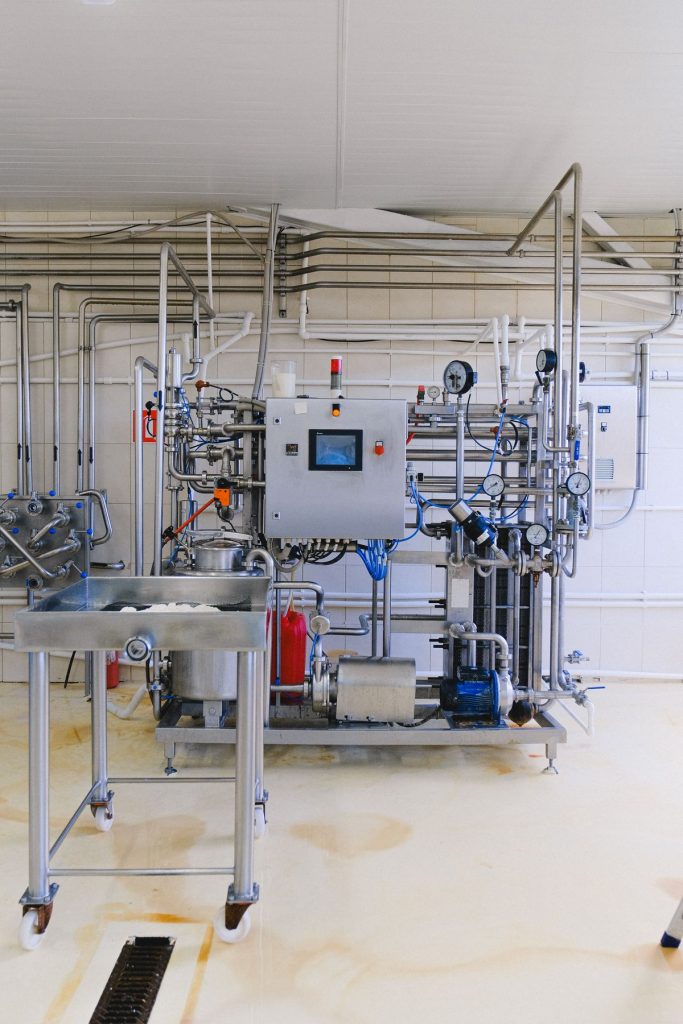
The 5-layer co-extrusion blown film process is the dominant manufacturing method for premium vacuum bag film. Here’s how it works step by step:
Step 1: Resin Preparation and Drying
Polyamide (PA6 or PA66) resin pellets are hygroscopic — they absorb moisture from ambient air. If PA resin enters the extruder with more than 0.08% moisture content, hydrolysis during melting creates bubbles and weak spots in the finished film. PA resin must be dried at 80°C for 4–6 hours in a desiccant dryer to reach <0.05% moisture before processing. PE resin (typically LDPE or LLDPE) requires less stringent drying but benefits from 2 hours at 60°C to eliminate surface moisture.
Step 2: Multi-Extruder Melting
Five independent extruders — one for each layer — heat and plasticize their respective polymers. Temperature profiles differ by material: PA requires 240–270°C barrel temperatures, while PE processes at 180–220°C. The extruders feed into a single multi-layer die head that arranges the melt streams into concentric rings.
Step 3: Die Head Assembly and Layer Formation
Inside the die, the five separate melt streams are distributed into their designated positions within the film cross-section. The typical 5-layer structure for vacuum bags is:
| Layer Position | Material | Typical Thickness | Primary Function | Key Property |
|---|---|---|---|---|
| Layer 1 (Outer) | PE (LDPE/LLDPE blend) | 15–25 μm | Abrasion resistance, print surface | Tensile strength: 25–35 MPa |
| Layer 2 (Tie) | Adhesive tie resin (maleic anhydride grafted PE) | 3–5 μm | Bond PA to outer PE | Peel strength: >4 N/15mm |
| Layer 3 (Core/Barrier) | PA6 (Nylon 6) | 10–20 μm | Oxygen & moisture barrier | O₂ transmission: <50 cc/m²/day |
| Layer 4 (Tie) | Adhesive tie resin | 3–5 μm | Bond PA to inner PE | Peel strength: >4 N/15mm |
| Layer 5 (Inner/Sealant) | PE (LLDPE/metallocene PE) | 25–40 μm | Heat seal layer, food-safe contact | Seal initiation temp: 110–125°C |
Source: Qingdao Sanyuan internal material specifications, ASTM D3985 (O₂ transmission), ASTM D882 (tensile).
Step 4: Bubble Formation and Blow-Up Ratio
The molten multi-layer tube exits the die and is inflated with air into a bubble — this is the blown film process. The blow-up ratio (BUR) — the ratio of bubble diameter to die diameter — critically affects film properties. For vacuum bag film, a BUR of 2.0–3.0 provides balanced orientation: enough transverse direction (TD) strength for puncture resistance without sacrificing machine direction (MD) tear strength.
Step 5: Cooling, Collapsing, and Winding
The bubble rises through an air ring that cools it from the outside while internal bubble cooling (IBC) controls the inside temperature. The film solidifies at the frost line — the visible transition from clear melt to hazy solid. For PA+PE film, a frost line height of 4–6 die diameters is typical. The cooled bubble is collapsed by guide rollers and wound onto master rolls weighing 100–300 kg.
For a visual tour of how this process works in a real factory, see our article on how vacuum compression bags are made: a factory tour.
Why Does PA Layer Thickness Matter So Much for Vacuum Retention?
The PA (nylon) core layer is the functional heart of the vacuum bag. It’s the layer that determines how long the bag holds its vacuum — what the industry calls vacuum retention time. PA is a polar polymer with tightly packed molecular chains that create a tortuous path for gas molecules trying to pass through. Oxygen molecules must navigate this maze-like structure, dramatically slowing their transmission compared to the relatively open PE structure.
The relationship between PA layer thickness and oxygen transmission rate (OTR) is inverse and non-linear:
- 5 μm PA: OTR ~120–180 cc/m²/day — suitable only for short-term storage (1–2 weeks)
- 10 μm PA: OTR ~50–80 cc/m²/day — adequate for seasonal storage (3–6 months)
- 15 μm PA: OTR ~25–40 cc/m²/day — premium long-term storage (12+ months)
- 20 μm PA: OTR ~15–25 cc/m²/day — industrial-grade, near-hermetic performance
A study published in the Journal of Applied Polymer Science found that increasing PA6 layer thickness from 8 μm to 16 μm reduced oxygen permeability by 63% in PA/PE co-extruded films — a finding that directly informs vacuum bag engineering decisions.
However, PA is also 3–5× more expensive than PE per kilogram. The art of multi-layer film design lies in using just enough PA to achieve the target vacuum retention while keeping material costs manageable. At Qingdao Sanyuan, our standard PA+PE 5-layer film uses a total thickness of 70–120 microns (0.07–0.12 mm), with the PA layer constituting 12–18% of total thickness.
For a detailed technical comparison of materials, see our vacuum bag materials comparison guide: PA, PE, PET, nylon, TPU.
How Are Multi-Layer Vacuum Bag Films Tested for Quality?
Quality testing for PA+PE multi-layer film happens at three stages: incoming resin inspection, in-process monitoring, and finished film testing. Here are the critical tests every B2B importer should understand:
1. Oxygen Transmission Rate (OTR) — ASTM D3985: Measures the volume of oxygen passing through 1 m² of film per 24 hours at 23°C and 0% relative humidity. For premium vacuum bags, target OTR should be below 50 cc/m²/day. Values above 80 cc/m²/day indicate insufficient PA thickness or process defects.
2. Tensile Strength and Elongation — ASTM D882: Tests how much force the film withstands before breaking, measured in both machine direction (MD) and transverse direction (TD). PA+PE 5-layer film should achieve 35–55 MPa tensile strength with elongation at break of 300–500%. Low tensile values suggest poor interlayer adhesion or degraded PA resin.
3. Interlayer Adhesion (Peel Test) — ASTM F904: Measures the force required to separate adjacent layers. For PA+PE film, peel strength between tie layer and PA should exceed 4 N per 15 mm width. Delamination (layer separation) in use almost always traces back to inadequate tie layer thickness or incorrect processing temperatures.
4. Dart Impact Resistance — ASTM D1709: A weighted dart is dropped onto the film from a standard height. The “dart drop” value represents the weight (in grams) at which 50% of specimens fail. Premium vacuum bag film achieves >200g dart impact, indicating strong puncture resistance from sharp household objects.
5. Heat Seal Strength — ASTM F88: After sealing the film at specified temperature/pressure/time conditions, the seal is pulled apart in a tensile tester. Target seal strength: >30 N per 25 mm width with a seal temperature window of 110–150°C.
For a comprehensive quality control framework, refer to our vacuum bag defect rates and quality control guide and our deep dive on vacuum bag zipper failure prevention and testing.
Thickness Optimization: Balancing Cost, Performance, and Sustainability
The total film thickness for vacuum bags sits in a sweet spot between 70 and 120 microns. Thinner than 70 microns, and the bag loses structural integrity — it wrinkles excessively, punctures easily, and vacuum retention drops sharply. Thicker than 120 microns, and material costs rise without proportional performance gains, while the bag becomes stiff and difficult for consumers to handle.
The cost implications are substantial. Moving from 70-micron to 100-micron film increases raw material consumption by approximately 43%, adding $0.03–$0.06 to the per-bag manufacturing cost. For an order of 100,000 bags, that’s $3,000–$6,000 in additional material cost — a decision that must be justified by the target market’s performance expectations and retail price point.
Sustainability considerations are increasingly important. The EU’s Packaging and Packaging Waste Regulation (PPWR) is pushing the industry toward thinner films and recyclable mono-material structures. While current PA+PE multi-layer film is technically recyclable through compatibilization processes, the industry is actively researching mono-material PA or PE alternatives that match multi-layer performance. At least 72% of consumer packaging now faces some form of recycled content mandate or EPR (Extended Producer Responsibility) fee, according to the Ellen MacArthur Foundation’s 2025 Global Commitment progress report.
For importers selling into the European market, understanding PPWR compliance is critical. Read our detailed analysis: EU Packaging and Packaging Waste Regulation (PPWR) for vacuum bag importers.
FAQ: PA+PE Multi-Layer Film Manufacturing
What’s the difference between 3-layer, 5-layer, and 7-layer co-extruded vacuum bag film?
3-layer film (PE/tie/PA) is the minimum viable structure but lacks the outer PE layer that protects the PA barrier from abrasion during shipping and consumer handling. 5-layer film (PE/tie/PA/tie/PE) is the industry standard — it sandwiches the PA barrier between protective PE layers on both sides. 7-layer film adds additional functional layers (EVOH for enhanced oxygen barrier, or specialized sealant layers) but increases cost by 15–25% and is typically overengineered for consumer vacuum bag applications.
Can PA+PE multi-layer vacuum bag film be recycled?
PA+PE multi-layer film is technically recyclable through mechanical recycling with compatibilizers that help PA and PE blend without phase separation. However, most municipal recycling streams cannot process multi-layer films. Industrial recycling programs specifically designed for multi-layer flexible packaging exist in Europe (e.g., CEFLEX) and are expanding. The industry trend is toward mono-material PE structures with enhanced barrier coatings that achieve near-PA performance while remaining fully recyclable in the PE stream.
How do I verify my supplier is using genuine PA+PE 5-layer film and not cheaper alternatives?
Request a Material Composition Certificate from the film manufacturer specifying layer structure and polymer grades. Perform a simple burn test: PA burns with a blue flame and smells like burnt hair (due to nitrogen content); PE burns with a yellow flame and smells like candle wax. For definitive verification, FTIR (Fourier Transform Infrared Spectroscopy) analysis can identify each polymer layer. Third-party labs charge approximately $150–$300 per sample for this analysis.
What causes the “orange peel” texture sometimes seen on vacuum bag surfaces?
Orange peel texture — a slightly bumpy, uneven surface — typically results from excessive melt temperature during extrusion causing polymer degradation, or from a blow-up ratio that’s too low or too high for the polymer grade being used. It’s primarily cosmetic but can indicate compromised interlayer adhesion. Premium vacuum bag film should have a smooth, uniform surface with no visible defects under normal lighting.
Does thicker film always mean better vacuum retention?
Not linearly. Vacuum retention is primarily a function of PA layer thickness, not total film thickness. Adding PE thickness (making the sealant layers thicker) improves puncture resistance and durability but does nothing for gas barrier properties. The most cost-effective way to improve vacuum retention is increasing PA layer thickness, not total gauge. Our recommended minimum is 10 μm PA for consumer vacuum bags intended for seasonal storage.