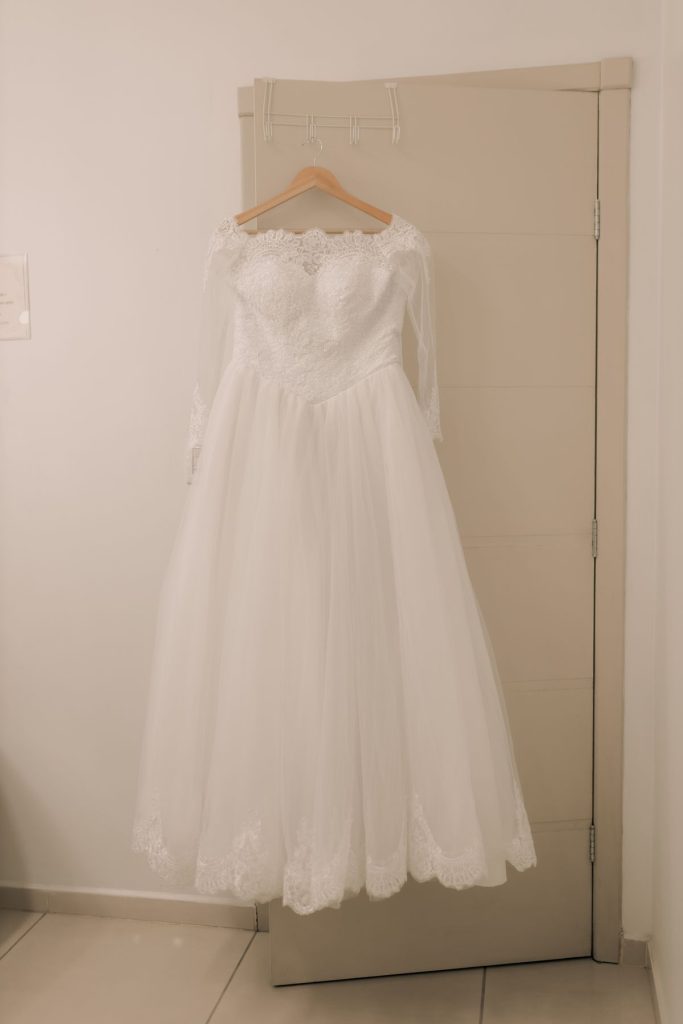
TL;DR: Wedding dress preservation is a $300–$500 per-gown service that 68% of brides now invest in — yet the storage component remains dominated by bulky acid-free boxes. Vacuum storage bags purpose-built for bridal preservation offer a lightweight, space-efficient alternative that bridal shops and preservation services can retail at 60-80% margins. This guide covers the market opportunity, technical requirements, and B2B sales playbook for adding wedding dress vacuum storage to your product line.
Why Wedding Dress Preservation Is a Growing B2B Opportunity
Approximately 2 million couples married in the United States in 2025, contributing to a wedding industry valued at over $100 billion annually (The Knot Worldwide, 2026). The average wedding dress costs $1,800–$2,500, making it one of the most significant single-wear garment investments a consumer will ever make. Unsurprisingly, the post-wedding wedding dress preservation market has expanded dramatically — with professional cleaning and preservation services now costing $300–$500 on average in 2026 (Wedding Gown Preservation Kit, 2026).
The global wedding dress market was valued at approximately $4.3 billion in 2026 and is projected to reach $7.6 billion by 2035, growing at a CAGR of 6.5% (360 Research Reports, 2026). Within this ecosystem, preservation accessories — including storage bags, archival boxes, and cleaning kits — represent an underserved but high-margin niche. Vacuum storage bags designed specifically for bridal preservation address a critical gap: brides want their gowns protected from yellowing, moisture, insects, and dust, but traditional museum-box storage is heavy, expensive to ship, and takes up significant retail shelf space.
What Makes a Vacuum Bag Suitable for Wedding Dress Preservation?
Not all vacuum storage bags are created equal — and bridal preservation demands the highest material standards. Acid-free materials are non-negotiable: standard polyethylene bags can off-gas chemicals that accelerate fabric yellowing, especially on silk, satin, and lace. A preservation-grade vacuum bag must use archival-quality, acid-free, lignin-free multilayer film that meets museum storage standards.
Why Is Acid-Free Material Critical for Wedding Dress Storage?
Acids present in standard plastics and paper products cause cellulose fibers in natural fabrics (silk, cotton, linen) to break down over time — a process called acid hydrolysis. This manifests as yellowing, brittleness, and eventually structural failure of the fabric. Museum conservators have documented that fabrics stored in acidic environments can yellow within 5–10 years, while acid-free storage extends preservation life to 50+ years. For a wedding dress meant to be passed down through generations, this distinction is paramount.
What Size Vacuum Bag Does a Wedding Dress Require?
Wedding dresses — especially those with trains, ball-gown silhouettes, or cathedral-length veils — require significantly more space than standard garments. A typical wedding gown needs a bag measuring at least 36 × 48 inches (90 × 120 cm) when laid flat, with extra-large options at 48 × 60 inches (120 × 150 cm) for voluminous styles. The bag must also accommodate the dress without aggressive folding that creates permanent crease lines in delicate fabrics.
How Does Non-Yellowing Film Technology Work?
Non-yellowing film incorporates UV inhibitors and antioxidant stabilizers directly into the polymer matrix during extrusion. These additives absorb ultraviolet radiation and neutralize free radicals that would otherwise trigger photodegradation. For bridal storage, the film should also be BPA-free, phthalate-free, and chloride-free — certifications that Qingdao Sanyuan’s manufacturing facility (15,000㎡ production space, CE/FDA/REACH-compliant) can verify with third-party lab testing.
Market Data: The Wedding Dress Preservation Industry by the Numbers
| Metric | Value | Source |
|---|---|---|
| Global wedding dress market (2026) | $4.3 billion | 360 Research Reports |
| Projected market size (2035) | $7.6 billion | 360 Research Reports |
| Market CAGR (2026–2035) | 6.5% | 360 Research Reports |
| U.S. weddings per year (2025) | ~2 million | The Knot Worldwide |
| Average preservation cost | $300–$500 | Wedding Gown Preservation Kit |
| Brides investing in preservation | 68% | Maggie Sottero Designs |
| Global vacuum storage bag market (current) | $1.5 billion | Industry estimates |
| Projected vacuum bag market (2030) | $2.8 billion | Industry CAGR 7.5% projection |
Key takeaway: The wedding dress preservation accessories segment remains fragmented and underserved. With 68% of brides now opting for professional preservation — approximately 1.36 million gowns annually in the U.S. alone — the addressable market for preservation-grade vacuum storage bags exceeds $200 million at retail, assuming a $30–$50 per-unit price point.
B2B Sales Strategy: How Bridal Shops Can Monetize Vacuum Storage Bags
For B2B wholesalers and manufacturers like Qingdao Sanyuan — operating a 15,000㎡ facility with 13+ years of vacuum bag production expertise and CE, FDA, and REACH certifications — the bridal channel represents a high-margin, relationship-driven sales opportunity. Here is the playbook:
- Bridal shop bundling: Offer preservation vacuum bags as an add-on at point of sale. When a bride purchases her $2,000 gown, a $39.99 preservation kit is an easy upsell with 70%+ gross margins for the retailer.
- Private-label programs: Wedding dress designers and boutiques can private-label preservation bags as part of their brand experience. MOQs of 500–1,000 units with custom packaging make this accessible for mid-size bridal brands.
- Preservation service partnerships: The $300–$500 professional preservation market needs reliable OEM suppliers. B2B vacuum bag manufacturers can supply acid-free, museum-grade bags to preservation companies at wholesale pricing.
- Online bridal marketplaces: Platforms like The Knot Marketplace and Zola reach millions of engaged couples — a distribution channel that rewards SEO-optimized, educational content marketing.
Product Specifications for Bridal-Grade Vacuum Storage Bags
When sourcing or manufacturing vacuum storage bags for the wedding dress preservation market, B2B buyers should prioritize the following specifications:
| Specification | Bridal-Grade Requirement | Standard Bag Comparison |
|---|---|---|
| Material composition | Acid-free, lignin-free PA/PE multilayer | Standard PE or PA/PE (may contain acid residue) |
| Film thickness | ≥ 120 microns (12丝) | 70–90 microns |
| Size (extra-large) | 120 × 150 cm (48 × 60 in) | 100 × 130 cm max typical |
| Valve type | Double-seal valve with air-lock | Single-seal valve |
| UV protection | UV-inhibiting film additive | None |
| Certifications | REACH, FDA, CE, BPA-free, phthalate-free | Varies; often untested |
| Packaging | Retail-ready box with ribbon window | Generic polybag |
| Shelf appeal | Bridal-themed design, gift-worthy | Standard home-storage aesthetic |
Internal Linking: Explore Related B2B Storage Guides
- Baby Nursery Storage Vacuum Bags: B2B Opportunity for New Parents Market
- Heavy-Duty vs. Standard Vacuum Bags: Complete B2B Comparison
- Seasonal Clothing Rotation with Vacuum Storage Bags: A Complete System
- Vacation Bag Size Guide: From Travel Mini to Jumbo Mattress Bags
Frequently Asked Questions About Wedding Dress Vacuum Storage
Can you vacuum seal a wedding dress safely?
Yes — when using a bag specifically manufactured with acid-free, archival-grade materials. Standard household vacuum bags can trap acids against the fabric and accelerate yellowing. Bridal-grade vacuum bags from certified manufacturers like Qingdao Sanyuan use non-yellowing, acid-free multilayer film that is safe for long-term gown storage. Always ensure the dress is professionally cleaned before sealing, as trapped soils and sugars from champagne or cake can cause permanent staining under vacuum.
How long can a wedding dress stay in a vacuum bag?
With acid-free, museum-grade vacuum storage bags, a professionally cleaned wedding dress can be safely stored for 20–50+ years. The vacuum environment eliminates oxygen — the primary catalyst for fabric degradation — while the acid-free film prevents chemical off-gassing. Museum textile conservators recommend inspecting the dress every 5–10 years and re-packing it in fresh acid-free materials.
What is the difference between a preservation box and a vacuum bag?
Traditional preservation boxes are rigid, acid-free cardboard containers that protect the dress from light and dust but do not create an anaerobic (oxygen-free) environment. Vacuum storage bags remove 90%+ of the air, dramatically reducing oxidation and deterring insect activity. Vacuum bags are also significantly lighter and more space-efficient — a key advantage for brides storing gowns in closets or under beds. The ideal solution combines both: a vacuum bag placed inside a rigid preservation box for maximum protection.
Do bridal shops sell vacuum storage bags?
Most bridal shops do not currently stock vacuum storage bags — which is precisely the B2B opportunity. Bridal retailers focus on gown sales ($1,800+ average ticket) and often overlook the $30–$50 accessory upsell. Forward-thinking bridal shops are beginning to bundle preservation vacuum bags with gown purchases as a value-add, and early adopters report 40–60% attachment rates when the product is presented at point of sale.
How should bridal shops package vacuum bags for retail?
Retail packaging for bridal vacuum storage bags should be gift-quality — a rigid box with a satin ribbon, die-cut window showing the product, and educational copy explaining preservation benefits. The packaging itself becomes part of the bridal experience. Include a step-by-step preservation guide, acid-free tissue paper for stuffing the bodice, and a registration card for warranty purposes. This premium presentation supports a $39.99–$59.99 retail price point with 60–80% margins.
Photo by Alexander Mass via Pexels. Market data sourced from The Knot Worldwide, 360 Research Reports, and Wedding Gown Preservation Kit (2026). For B2B inquiries about bridal-grade vacuum storage bag manufacturing, contact Qingdao Sanyuan — 15,000㎡ facility, 13+ years experience, CE/FDA/REACH certified.