TL;DR: Turkey’s vacuum storage bag market presents a compelling 2026 opportunity at the crossroads of Europe, Asia, and the Middle East. With an e-commerce volume reaching TL 4.57 trillion (USD 115.43 billion) in 2025, a USD 3.73 billion home textile sector, and 85 million consumers with a median age of just 32, Turkey offers vacuum bag importers a young, digitally active market with natural synergies to its world-class textile industry. The Turkey food storage bags and containers market is projected to grow at 5–7% volume CAGR through 2035. For Chinese manufacturers, Turkey’s strategic position enables distribution across three continents from a single hub.
Why Is Turkey Becoming a Strategic Vacuum Storage Bag Market in 2026?
Turkey’s emergence as a vacuum storage bag market reflects its unique position as a transcontinental economy bridging Europe and Asia. With a population of 85.3 million and a GDP of approximately USD 1.1 trillion, Turkey is the 19th largest economy globally. Its vacuum storage bag import market — referring to compressible, airtight plastic bags that reduce textile volume through air removal for space-efficient storage and protection — benefits from three structural advantages that differentiate it from other emerging markets.
First, Turkey’s e-commerce sector has experienced explosive growth, reaching TL 4.57 trillion (USD 115.43 billion) in 2025, a 52.2% increase from the previous year on 5.94 billion transactions, according to Turkey e-commerce statistics. The market is projected to grow at a 10.4% CAGR from 2026–2032, per 6W Research. Major platforms like Trendyol (backed by Alibaba), Hepsiburada, and N11 serve as primary discovery and purchase channels for home organization products including vacuum storage bags.
Second, Turkey’s home textile industry, valued at USD 3.73 billion in 2025 and projected to reach USD 3.83 billion in 2026, according to Mordor Intelligence, creates natural synergies with vacuum storage products. Turkey is one of the world’s top textile producers, and Turkish households own significantly more textile products per capita than comparable emerging markets — creating higher demand for textile storage solutions. The country’s deep textile culture means consumers inherently understand the value of protecting garments and fabrics from dust, moisture, and pests that vacuum bags provide.
Third, Turkey’s young demographic profile is a powerful demand driver. With a median age of 32 (compared to 44 in Germany, 46 in Japan), Turkey’s population is both digitally native and entering prime household-formation years. The 25–44 age cohort — approximately 23 million people — is establishing new households, moving into urban apartments (Turkey’s urbanization rate exceeds 76%), and driving demand for modern home organization products. This demographic cohort shops primarily through mobile commerce: over 75% of Turkish e-commerce transactions originate from mobile devices.

How Does Turkey’s Eurasian Trade Position Benefit Vacuum Bag Importers?
Turkey’s geographic position as a Eurasian trade hub is perhaps its most underappreciated asset for vacuum bag importers. Located at the intersection of Europe, Central Asia, and the Middle East, Turkey offers manufacturers a single-country base to serve a regional market of over 1.5 billion consumers within a 4-hour flight radius. This is not theoretical: Turkey’s cross-border e-commerce retail market is valued at USD 1.4 billion, with strong growth driven by Turkey’s position as a logistics bridge between continents, according to Ken Research.
The specific trade advantages for vacuum bag importers include:
EU Customs Union Membership: Turkey has maintained a Customs Union with the European Union since 1995, covering industrial goods including plastic products. This means vacuum bags imported into Turkey can be re-exported to EU markets without additional tariffs if they meet rules of origin requirements. For a detailed look at the EU market, see our Spain Vacuum Storage Bag Import Market 2026 analysis.
Free Trade Agreements: Turkey has FTAs with 23 countries including the UK, EFTA states (Switzerland, Norway, Iceland, Liechtenstein), South Korea, Malaysia, and most Balkan and Middle Eastern nations. These agreements reduce or eliminate tariffs on plastic consumer goods, making Turkey an efficient re-export hub for vacuum bags destined to FTA-partner countries.
Major Port Infrastructure: The Port of Ambarli (Istanbul), Mersin International Port, and Izmir Alsancak Port handle over 12 million TEUs annually. Istanbul Airport’s cargo terminal processes over 2.5 million tons of air freight per year. This infrastructure enables rapid fulfillment to European, Middle Eastern, and North African markets from a central Turkish warehouse.
Belt and Road Connectivity: Turkey is a key node in China’s Belt and Road Initiative (BRI), with the “Middle Corridor” rail route from China through Central Asia and the Caspian Sea reaching Turkey in 12–15 days. This overland route offers faster transit than sea freight (30–35 days) at lower cost than air freight, providing a compelling logistics option for vacuum bag shipments from Chinese factories to Turkish distribution centers.
What Consumer Trends Shape Turkey’s Vacuum Bag Demand?
Turkish consumer behavior around home organization has evolved significantly in the past three years. Several trends are directly relevant to vacuum bag product specification and marketing strategy:
Social Media-Driven Home Organization Culture: Turkish Instagram and TikTok content creators in the #evdüzenleme (home organization) and #dolapdüzeni (wardrobe organization) niches have millions of followers. Influencers like home organizers and lifestyle creators regularly showcase vacuum storage bags for seasonal wardrobe rotation, creating sustained organic demand. This social commerce dynamic means that B2B importers should prioritize vacuum bag designs that are visually appealing and “Instagram-worthy” — transparent bags with colored valves perform particularly well in the Turkish market.
Seasonal Apartment Transitions: Turkey’s distinct four-season climate, especially in Istanbul, Ankara, and inland Anatolia, drives bi-annual wardrobe transitions. Turkish households store heavy winter coats, sweaters, and bedding during May–September and summer clothing plus beach items during October–April. This seasonal rhythm creates predictable demand peaks that vacuum bag importers can plan inventory around.
Wedding and Dowry Traditions: A uniquely Turkish demand driver is the çeyiz (dowry/trousseau) tradition. Families preparing for weddings accumulate significant quantities of textiles, bedding, and home goods that require long-term storage before the wedding. Vacuum bags are increasingly incorporated into çeyiz preparation, with specialized “wedding storage sets” emerging as a distinct product category. This cultural factor creates year-round demand independent of seasonal cycles.
Price Sensitivity and Value Orientation: Turkey’s inflation rate, while moderating from 2022–2023 highs, continues to make consumers highly price-conscious. Lira-denominated vacuum bag pricing is the key competitive battleground. Multi-pack value sets (6+ bags with pump) priced at TRY 149–299 (approximately USD 4–8 at mid-2026 exchange rates) represent the volume segment. Chinese factory-direct sourcing is essential to hit these retail price points while maintaining margins for distributors.
Turkey Vacuum Storage Bag Market & Regional Comparison
| Metric | Turkey 2025 | Turkey 2026 (Est.) | vs. UAE (2026) | vs. Brazil (2026) | Source |
|---|---|---|---|---|---|
| E-Commerce Volume (USD bn) | $115.4B | $130.0B | $17.2B | $55.0B | TechChecker / IMARC |
| Home Textile Market (USD bn) | $3.73B | $3.83B | $1.2B | $5.1B | Mordor Intelligence |
| Population (millions) | 85.3M | 85.8M | 10.2M | 216.4M | World Bank |
| Median Age (years) | 31.8 | 32.0 | 33.2 | 33.5 | CIA Factbook |
| Urbanization Rate | 76.2% | 76.6% | 87.5% | 87.6% | UN Data |
| Packaging Materials Market (USD bn) | $2.10B | $2.16B | $1.40B | $18.2B | Data Bridge / IndexBox |
What Are the Key Distribution Channels for Vacuum Bags in Turkey?
Turkey’s vacuum bag distribution landscape combines modern retail, a dominant e-commerce sector, and a resilient traditional trade network:
1. E-Commerce Platforms (estimated 40% of vacuum bag sales): Trendyol dominates Turkish e-commerce with over 30 million active users and an estimated 35% market share. Backed by Alibaba, Trendyol offers its own fulfillment service (Trendyol Express) that vacuum bag brands can leverage for nationwide 1–2 day delivery. Hepsiburada (20% market share) features a “HepsiJet” logistics network reaching all 81 Turkish provinces. N11 and Amazon.com.tr round out the major platforms. Turkish consumers show strong preference for platforms offering kapıda ödeme (cash on delivery) — approximately 35% of e-commerce orders use this payment method.
2. Organized Retail Chains (25% of volume): Migros (2,500+ stores), BIM (10,000+ discount stores), A101 (11,000+ stores), and Şok (8,000+ stores) dominate Turkish grocery retail. BIM and A101 are hard-discount formats that stock vacuum bags as limited-time promotional items rather than permanent SKUs. Koçtaş (home improvement, 50+ stores) and IKEA Turkey (7 stores) carry home organization products including vacuum bags as permanent categories.
3. Home Textile & Department Stores (20% of volume): Boyner (largest Turkish department store chain, 150+ stores), Özdilek (home textile specialist), and Mudo Concept stock premium vacuum bags alongside bedding and home organization products. This channel demands higher product quality and branded packaging. Vacuum bags sold through home textile stores often feature fabric-like exteriors or designer patterns to complement store aesthetics.
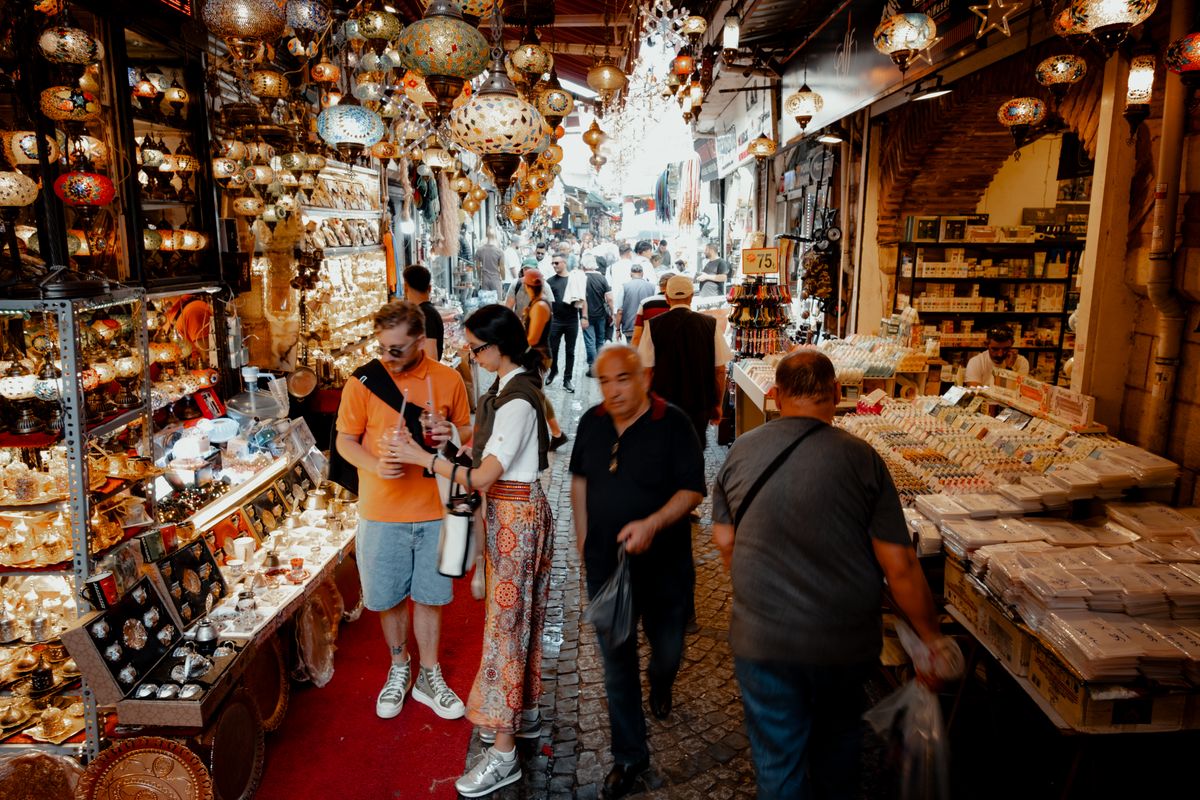
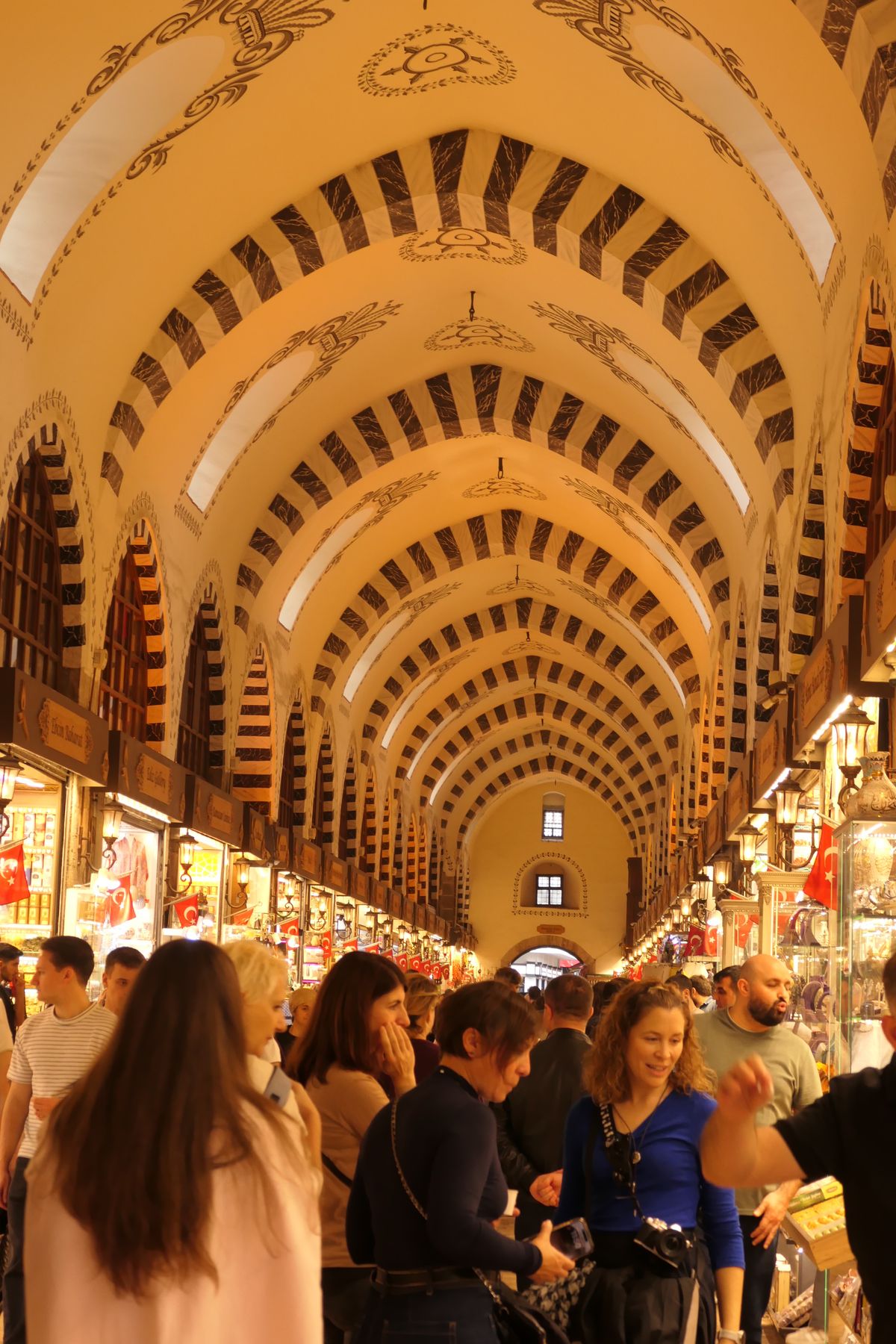
4. Traditional Bazaar & Wholesale Channels (15% of volume): Istanbul’s Grand Bazaar, Spice Bazaar, and neighborhood pazar (weekly markets) continue to sell household goods including basic vacuum bags. The wholesale districts of Mahmutpaşa and Tahtakale in Istanbul’s historic peninsula are major distribution hubs for household plastic goods imported from China. Importers targeting this channel must work with established Turkish wholesale distributors who control these networks.
For comparative analysis, see our reports on the UAE & Gulf States Vacuum Storage Bag Market 2026 and Brazil Vacuum Storage Bag Market 2026 for insights into comparable emerging-market distribution strategies.
How Does Turkey’s Textile Industry Create Vacuum Bag Synergies?
Turkey’s position as the world’s 5th largest textile exporter creates unique synergies that vacuum bag importers can exploit. The Turkish textile industry employs over 1 million workers across 50,000+ enterprises, generating USD 30+ billion in annual exports. This industrial ecosystem means:
- B2B Demand from Textile Manufacturers: Turkish garment factories use industrial vacuum bags for compressing export shipments, protecting textiles during transit, and storing raw materials. This industrial B2B channel represents an often-overlooked vacuum bag market segment distinct from consumer retail.
- Co-Packing Opportunities: Vacuum bag importers can partner with Turkish textile brands to create co-branded storage solutions. A well-known Turkish towel or bedding brand including branded vacuum storage bags with their products creates dual-brand value — the textile brand enhances its customer experience while the vacuum bag gains market exposure.
- Quality-Conscious Consumer Base: Turkish consumers, accustomed to high-quality domestic textile products, have elevated expectations for products that touch their textiles. Vacuum bags must be perceived as “textile-safe” — free from harsh chemical odors, smooth interior surfaces that won’t snag fabrics, and robust seals that won’t fail and expose stored items to moisture. This quality bias favors vacuum bag manufacturers using premium PA+PE film (polyamide + polyethylene seven-layer co-extruded material for strength and sealability) over lower-grade PVC alternatives.
Qingdao Sanyuan’s vacuum bags are manufactured with food-grade PA+PE co-extruded film, making them ideal for the quality-sensitive Turkish market where consumers expect textile-safe storage solutions. Our double-zip seal technology and reinforced seams meet the durability standards Turkish households demand.
What Regulatory and Import Compliance Factors Apply in Turkey?
Turkey’s import regime for plastic consumer goods is governed by the Ministry of Trade and aligned with EU standards through the Customs Union. Key compliance factors for vacuum bag imports include:
- CE Marking (if applicable): Required for vacuum bags sold with electric pumps, under the EU-Turkey Customs Union alignment on product safety directives.
- Turkish-Language Labeling: Mandatory under the Turkish Consumer Protection Law No. 6502. All product information must be in Turkish, including material composition, usage instructions, warnings, country of origin, and Turkish importer details with address and phone number.
- REACH-Like Chemical Regulations: Turkey implements KKDIK (the Turkish REACH regulation), administered by the Ministry of Environment and Urbanization. Importers must register chemical substances in products exceeding 1 ton per year and ensure compliance with restricted substance lists, particularly for phthalates and heavy metals in plastic materials.
- HS Code Classification: Vacuum storage bags fall under HS Code 3923.21.00 (sacks and bags of polymers of ethylene) or 3923.29.90 (of other plastics). Turkey applies MFN duty rates of 3–6.5% on these tariff lines, depending on material composition and country of origin. Chinese-origin goods face standard MFN rates under Turkey’s WTO commitments.
- KOSGEB and SME Incentives: Turkey’s Small and Medium Enterprises Development Organization (KOSGEB) offers import-support programs for SMEs in the home goods sector, which can subsidize up to 70% of certain import-related costs for qualifying Turkish distributors.
For further reading, explore our Southeast Asia Manufacturing Trends 2026 and our cost comparison of vacuum bags vs. plastic bins.
Turkey Vacuum Storage Bag Market FAQ
What is the best entry strategy for Chinese vacuum bag manufacturers entering Turkey?
The most effective approach is partnering with an established Turkish import distributor who already serves retail chains like Migros, A101, and Trendyol marketplace. Direct B2C selling from China faces Turkish customs complexity and consumer trust barriers. Factory-direct B2B partnerships with Turkish distributors provide market access, regulatory compliance support, and established retail relationships. Qingdao Sanyuan has experience structuring OEM partnerships for the Turkish market.
How long does shipping take from China to Turkey for vacuum bag shipments?
Sea freight from Qingdao/Shanghai to Istanbul (Ambarli Port) or Mersin takes 28–35 days via the Suez Canal route. The Middle Corridor rail route via Kazakhstan and Azerbaijan reaches Turkey in 12–15 days and is increasingly viable for containerized consumer goods. Air freight to Istanbul Airport (IST) takes 2–4 days. Many importers use combined sea+rail solutions for optimal cost-speed balance.
What vacuum bag sizes and formats sell best in Turkey?
Medium (60×80 cm) and large (70×100 cm) bags dominate consumer sales, with jumbo (80×110 cm) popular for bedding and winter coats. Multi-pack sets of 6–8 bags with hand pump are the best-selling format. Compression travel bags (small, 40×60 cm, roll-to-expel-air type) are a fast-growing subcategory driven by Turkey’s strong domestic tourism sector and the young population’s travel habits. Transparent bags with colored valves perform better than fully opaque designs.
Are Turkish consumers brand-loyal in the vacuum bag category?
Brand loyalty is moderate but growing. Established Turkish home organization brands like Doganlar and local private-label products from major retailers command recognition. However, vacuum bags remain a category where value (price-per-bag) and functional performance (seal quality, durability) often outweigh brand preference. This creates opportunities for new entrants with superior product quality at competitive pricing. Trendyol and Hepsiburada reviews significantly influence purchase decisions — products with 4+ star ratings and 100+ reviews dominate platform search rankings.
How does Turkey’s inflation environment affect vacuum bag pricing strategies?
Turkey’s inflation, while moderating from 2022–2023 peaks (when CPI exceeded 85%), remains elevated at projected 2026 levels. This environment rewards vacuum bag importers who can lock in USD or EUR-denominated supplier contracts while adjusting TRY retail prices regularly. Multi-pack value bundles that lower the perceived per-bag cost perform better than single-bag sales in inflationary environments. Importers should also consider consignment stock models where inventory lead times match Turkish market price adjustment cycles.
Ready to supply the dynamic Turkish vacuum bag market? Qingdao Sanyuan offers factory-direct OEM manufacturing with Turkish-language packaging, EU Customs Union-compliant materials, and logistics solutions to Istanbul, Mersin, and Izmir ports. Contact our Eurasia export team today for a custom quotation and Turkish market entry support.