Qingdao Sanyuan Packaging Team

Qingdao Sanyuan Packaging Co., Ltd. — 15,000m² vacuum compression bag factory with 13+ years export experience. CE/FDA/REACH certified. OEM/ODM manufacturer serving B2B importers and wholesalers worldwide.

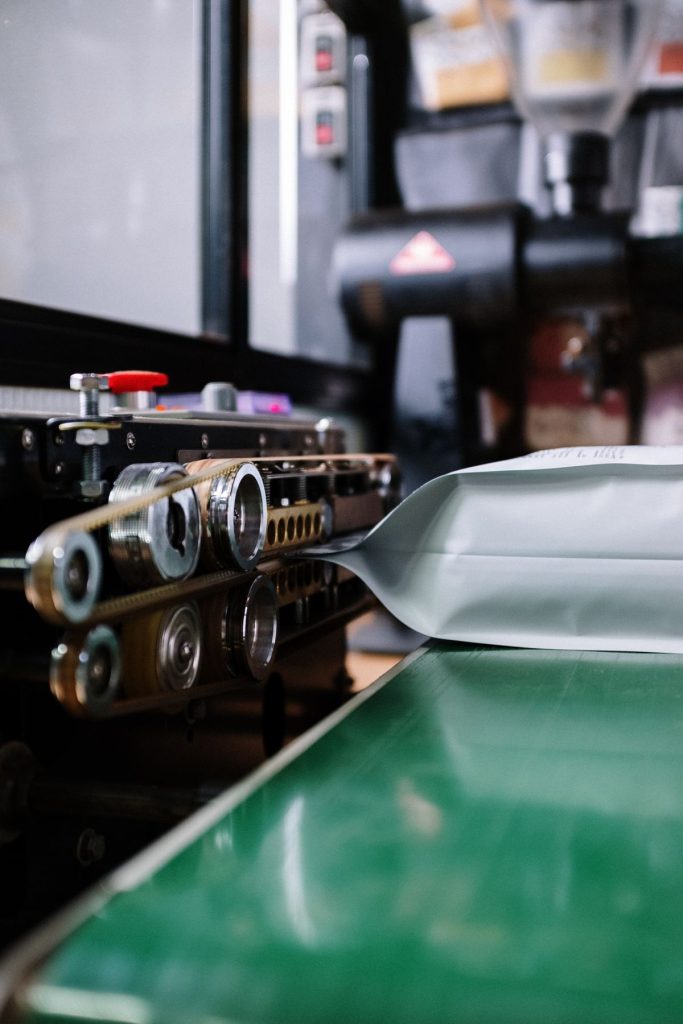
Industrial sealing machine used in vacuum bag valve manufacturing and quality testing

Vacuum Bag Seal Strength Testing Standards: A B2B Importer’s Guide to ASTM F88 and Beyond

TL;DR: Seal strength is the single most critical quality parameter for vacuum bags — a weak seal means product spoilage, customer returns, and brand damage. This guide explains ASTM F88 seal strength testing, burst testing (ASTM F1140), vacuum retention tests, and how B2B importers should specify seal requirements in QC documents. You will learn which […]

Vacuum Bag Seal Strength Testing Standards: A B2B Importer’s Guide to ASTM F88 and Beyond Read More »

EU PPWR Packaging Compliance for Vacuum Bag Importers: 2026–2040 Timeline

TL;DR: The EU Packaging and Packaging Waste Regulation (PPWR) 2025/40 applies from 12 August 2026 and fundamentally changes the compliance landscape for vacuum bag importers. All packaging must be recyclable by 2030, minimum recycled content thresholds begin in 2030, and new labeling and documentation rules take effect from 2028. Importers who audit their packaging now—before

EU PPWR Packaging Compliance for Vacuum Bag Importers: 2026–2040 Timeline Read More »

HS Code Classification for Vacuum Bag Imports: Avoid Costly Customs Errors

TL;DR: Incorrect HS code classification is one of the fastest paths to customs penalties, shipment delays, and unexpected duty bills. For vacuum bag importers, the correct primary HS code is 3923.29 (sacks and bags of plastics), but variations exist for accessories, vacuum pumps, and multi-material products. This guide explains how to classify vacuum bag imports

HS Code Classification for Vacuum Bag Imports: Avoid Costly Customs Errors Read More »

Vacuum Bag Batch Traceability & Lot Control: A Complete Sourcing Guide

TL;DR: Batch traceability and lot control are not optional for professional vacuum bag sourcing. From raw resin lots to finished pouch shipments, every production stage must be documented to meet ISO 9001 requirements, support rapid recall response, and satisfy retailer compliance audits. This guide covers lot numbering systems, QR code tracking, backward/forward traceability, and how

Vacuum Bag Batch Traceability & Lot Control: A Complete Sourcing Guide Read More »

Quality Dispute Resolution with Chinese Factories: A Step-by-Step Guide for Vacuum Bag Importers

TL;DR: Quality disputes with Chinese vacuum bag factories are preventable with proper contracts, third-party inspections, and structured negotiation. When disputes do arise — whether over seam strength, valve failure rates, or packaging defects — the outcome depends on the evidence you’ve collected and the escalation framework you follow. This guide covers the five most common

Quality Dispute Resolution with Chinese Factories: A Step-by-Step Guide for Vacuum Bag Importers Read More »

Sea Freight vs Air Freight for Vacuum Bags: Complete Cost Comparison for B2B Importers

TL;DR: Sea freight costs $50–$80 per cubic meter from China to the U.S. and takes 25–35 days, while air freight costs $800–$2,000 per cubic meter but delivers in 3–7 days. For vacuum bag importers, the 12–25x cost premium of air freight means it should be reserved for urgent restocking, samples, and seasonal emergency orders —

Sea Freight vs Air Freight for Vacuum Bags: Complete Cost Comparison for B2B Importers Read More »

Warehousing Strategies for Vacuum Bag Importers: 3PL vs. Own Warehouse, FBA Prep & EU Fulfillment

TL;DR: Choosing the right warehousing strategy can make or break your vacuum bag import business. This guide compares third-party logistics (3PL) providers versus owning your own warehouse, explores Amazon FBA prep center requirements, examines EU fulfillment center options, and provides actionable frameworks for inventory management and seasonal demand planning. Whether you’re importing 500 or 50,000

Warehousing Strategies for Vacuum Bag Importers: 3PL vs. Own Warehouse, FBA Prep & EU Fulfillment Read More »

Poland Vacuum Storage Bag Market 2026: Eastern Europe’s Largest Economy Powers Storage Import Boom

TL;DR: Poland’s vacuum storage bag market is projected to reach $60 million by 2026, cementing its position as Eastern Europe’s largest and fastest-growing home storage market. With a $1 trillion GDP, e-commerce growing at 25.7% CAGR, and 9.3 million apartment-dwelling households facing acute space constraints, Poland offers B2B vacuum bag importers a unique combination of

Poland Vacuum Storage Bag Market 2026: Eastern Europe’s Largest Economy Powers Storage Import Boom Read More »

Saudi Arabia Vacuum Bag Market 2026: How Vision 2030 Is Transforming Home Storage Imports

TL;DR: Saudi Arabia’s vacuum storage bag market is projected to reach $58 million by 2026, powered by Vision 2030’s retail transformation, a $168.8 billion retail sector growing at 7.8% CAGR, and household disposable income exceeding SAR 11,839 monthly. Riyadh and Jeddah lead a mall-based retail boom with over $20 billion in organized retail. B2B vacuum

Saudi Arabia Vacuum Bag Market 2026: How Vision 2030 Is Transforming Home Storage Imports Read More »

South Africa Vacuum Bag Import Market 2026: Gateway to Sub-Saharan Africa’s Booming Storage Sector

TL;DR: South Africa’s vacuum storage bag import market is projected to exceed $47 million by 2026, driven by a $142 billion retail sector, surging e-commerce adoption (surpassing $7 billion online), and the country’s strategic position as the gateway to Sub-Saharan Africa’s 1.2-billion-consumer market. Durban and Cape Town ports handle over 4.5 million TEUs annually, offering

South Africa Vacuum Bag Import Market 2026: Gateway to Sub-Saharan Africa’s Booming Storage Sector Read More »