Logistics & Import

Freight forwarding, customs, and supply chain for vacuum bag imports

EU PPWR Packaging Compliance for Vacuum Bag Importers: 2026–2040 Timeline

TL;DR: The EU Packaging and Packaging Waste Regulation (PPWR) 2025/40 applies from 12 August 2026 and fundamentally changes the compliance landscape for vacuum bag importers. All packaging must be recyclable by 2030, minimum recycled content thresholds begin in 2030, and new labeling and documentation rules take effect from 2028. Importers who audit their packaging now—before […]

EU PPWR Packaging Compliance for Vacuum Bag Importers: 2026–2040 Timeline Read More »

HS Code Classification for Vacuum Bag Imports: Avoid Costly Customs Errors

TL;DR: Incorrect HS code classification is one of the fastest paths to customs penalties, shipment delays, and unexpected duty bills. For vacuum bag importers, the correct primary HS code is 3923.29 (sacks and bags of plastics), but variations exist for accessories, vacuum pumps, and multi-material products. This guide explains how to classify vacuum bag imports

HS Code Classification for Vacuum Bag Imports: Avoid Costly Customs Errors Read More »

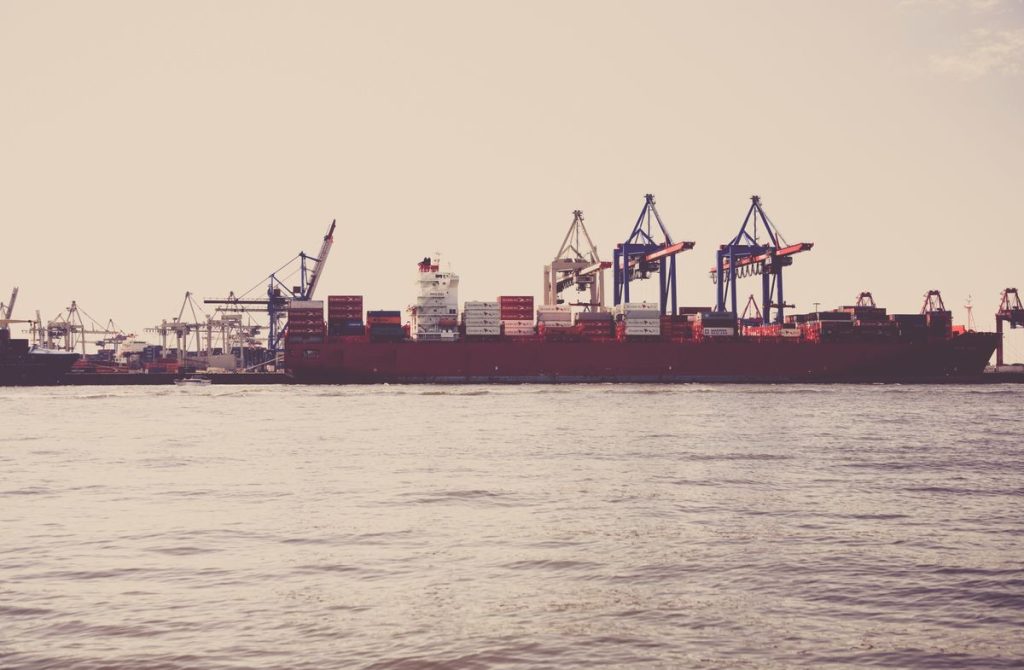
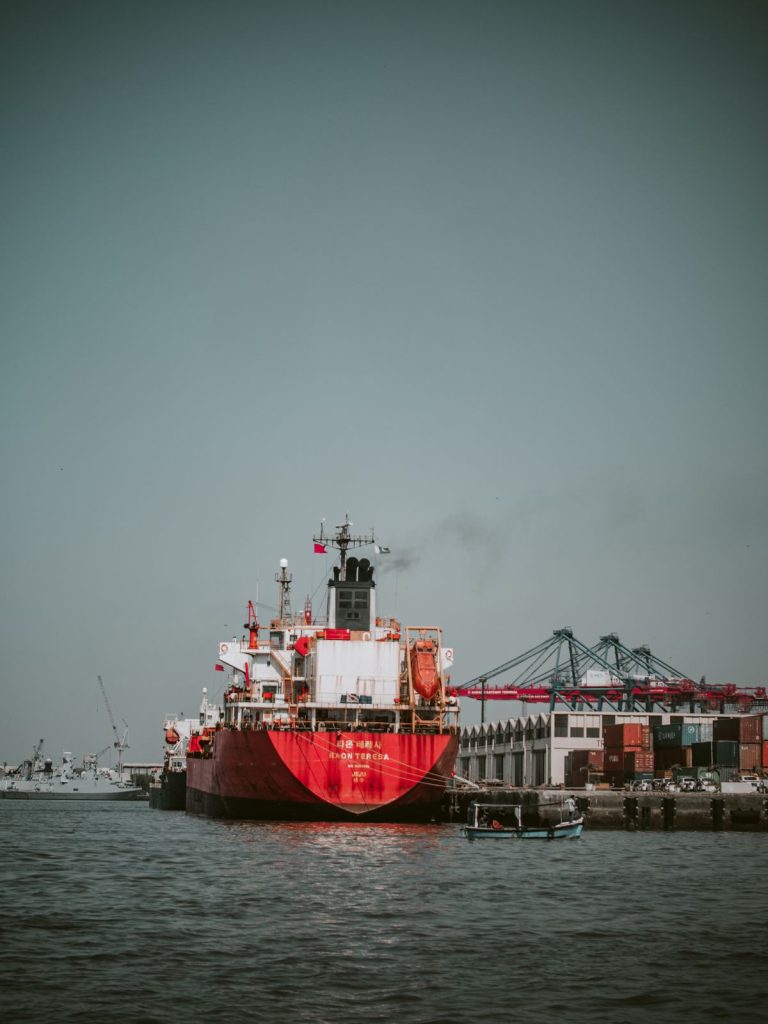
Sea Freight vs Air Freight for Vacuum Bags: Complete Cost Comparison for B2B Importers

TL;DR: Sea freight costs $50–$80 per cubic meter from China to the U.S. and takes 25–35 days, while air freight costs $800–$2,000 per cubic meter but delivers in 3–7 days. For vacuum bag importers, the 12–25x cost premium of air freight means it should be reserved for urgent restocking, samples, and seasonal emergency orders —

Sea Freight vs Air Freight for Vacuum Bags: Complete Cost Comparison for B2B Importers Read More »

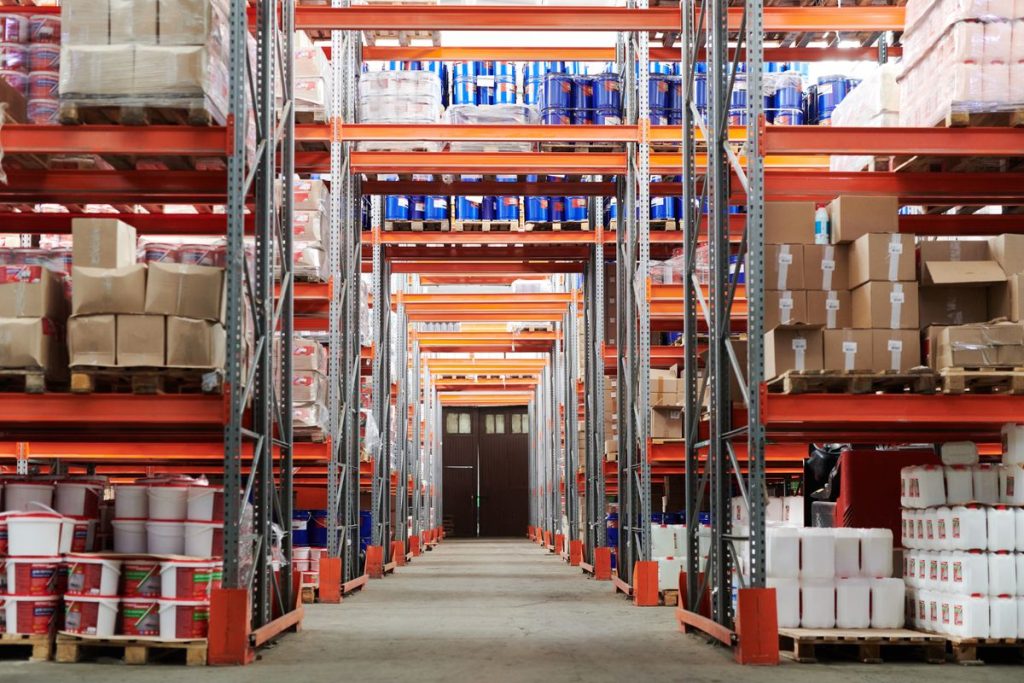
Warehousing Strategies for Vacuum Bag Importers: 3PL vs. Own Warehouse, FBA Prep & EU Fulfillment

TL;DR: Choosing the right warehousing strategy can make or break your vacuum bag import business. This guide compares third-party logistics (3PL) providers versus owning your own warehouse, explores Amazon FBA prep center requirements, examines EU fulfillment center options, and provides actionable frameworks for inventory management and seasonal demand planning. Whether you’re importing 500 or 50,000

Warehousing Strategies for Vacuum Bag Importers: 3PL vs. Own Warehouse, FBA Prep & EU Fulfillment Read More »

Vacuum Bag Temperature Performance: Heat Resistance & Cold Weather Testing for B2B Importers

TL;DR: Vacuum storage bags face temperature extremes from freezing attics to sweltering shipping containers. This guide presents real test data on how PA+PE 5-layer vacuum bags perform from -20°C to 60°C, explains material behavior at temperature extremes, and covers the testing protocols B2B importers should demand from suppliers. Understanding temperature performance helps you specify bags

Vacuum Bag Temperature Performance: Heat Resistance & Cold Weather Testing for B2B Importers Read More »

Container Loading Optimization for Vacuum Bag Shipments: Maximize Every Cubic Meter

TL;DR: Optimizing how you load vacuum storage bags into shipping containers can reduce your freight cost per unit by 25–35%. This guide covers FCL vs. LCL economics, optimal carton dimensions, palletization strategies, loading patterns, weight distribution, and real-world cost calculations. Whether you import 5,000 or 500,000 units per shipment, the loading decisions you make at

Container Loading Optimization for Vacuum Bag Shipments: Maximize Every Cubic Meter Read More »