The $45 Billion Opportunity
The global home organization market is projected to reach $45.8 billion by 2030, growing at 5.8% CAGR. Within it, vacuum compression storage is one of the fastest-growing sub-segments, driven by urbanization (smaller living spaces), e-commerce expansion (more stuff to store), and sustainability consciousness (reusable over disposable).
See also: Vacuum Compression Bags Market 2026: Key Trends Driving.
But the vacuum bag of 2030 won’t look like today’s product. Four technological and market trends are reshaping the category — and the B2B importers who position for them now will own the market in 5 years.
Trend 1: Smart Vacuum Storage (IoT Integration)
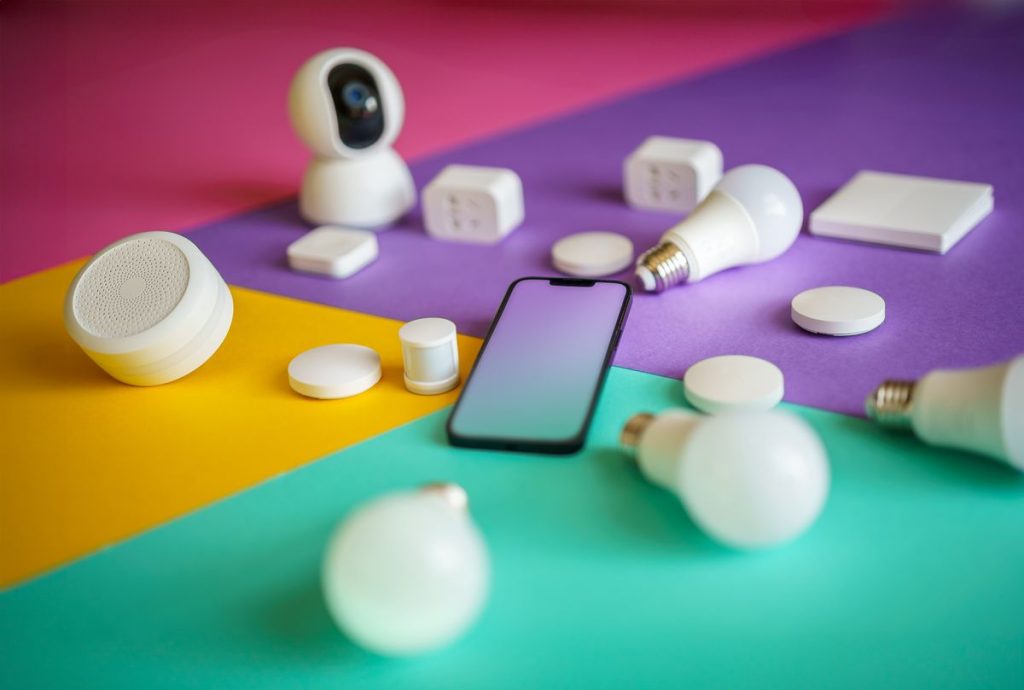
The first generation of “smart” vacuum bags is already in development. Key features emerging in 2026-2028:
See also: The Growing Demand for Space-Saving Storage Solutions in.
- Bluetooth-connected valves: Monitor vacuum pressure via smartphone app. Alert when seal begins to degrade — before the consumer notices re-inflation. Estimated retail premium: $8-12 over standard bags.
- RFID-tagged bags: Scan with your phone to see what’s inside each bag. Eliminates the “which bag has my winter coat?” problem. RFID tags cost $0.03-0.05 at scale.
- Smart home ecosystem integration: Vacuum storage that connects to Alexa/Google Home — “Alexa, check the vacuum seal on my winter storage bags.” Early adopter market: tech-forward consumers in NA and Japan.
- Automated vacuum pumps: Pumps that detect when seal pressure drops and automatically re-vacuum. Set-it-and-forget-it storage. Target: professional storage facilities and premium home use.
B2B opportunity: First-mover advantage on Amazon for “smart vacuum storage bags” — currently zero competing products. Patent landscape is open. A basic Bluetooth-enabled pump + app could be developed for $15,000-25,000 and manufactured within existing production lines.
Trend 2: Sustainable Materials Revolution
The EU PPWR (Packaging and Packaging Waste Regulation) mandates all packaging be recyclable or reusable by 2030. This is driving rapid innovation in vacuum bag materials:
- Mono-material PE films: Traditional PA+PE multi-layer bags are difficult to recycle because the layers are bonded. New mono-PE films achieve comparable OTR (oxygen transmission rate) of <20 cc/m²·day while being fully recyclable in standard PE streams. Currently 20-30% cost premium; projected to reach price parity by 2028.
- Bio-based polyethylene: PE derived from sugarcane ethanol (Braskem’s I’m green™ bio-PE) offers a carbon-negative footprint. Currently used in premium European retail packaging; 15-25% cost premium declining at 3-5% annually.
- PCR (Post-Consumer Recycled) content: Bags incorporating 30-50% recycled PE from post-consumer waste. The EU will mandate minimum recycled content in plastic packaging: 10% by 2030, 25% by 2035. Factories that invest in PCR-compatible extrusion lines now will have a regulatory moat later.
- Compostable films: PLA (polylactic acid) and PHA (polyhydroxyalkanoate) based films for single-use vacuum bag applications. Higher cost ($0.25-0.40/unit) but opens access to zero-waste retail channels and eco-certifications.
Trend 3: The Circular Economy Model
Beyond materials, the business model itself is shifting. Forward-thinking B2B importers are exploring:
See also: Eco-Friendly Vacuum Storage: How Reusable Compression Bag….
- Bag take-back programs: Customers return used bags for recycling credit toward new purchases. Builds brand loyalty and provides a source of PCR material. Amazon’s Climate Pledge Friendly program favors brands with take-back initiatives.
- Subscription vacuum storage: Monthly or quarterly delivery of fresh vacuum bags + collection of used ones. The Dollar Shave Club model applied to home storage. Recurring revenue at 3-5× the lifetime value of a one-time purchase.
- Carbon-labeled products: Carbon footprint per bag displayed on packaging. EU considering mandatory carbon labeling by 2028. Factories with solar power, efficient logistics, and recycled content will have lower carbon scores — a competitive advantage.
Trend 4: Channel Evolution — Where Vacuum Bags Will Sell in 2030
| Channel | 2025 Share | 2030 Projected | Key Driver |
|---|---|---|---|
| Amazon / E-commerce | 55% | 45% | Fragmentation — TikTok Shop, Temu, Shein taking share |
| Social Commerce (TikTok Shop, Instagram) | 5% | 20% | Video-first shopping; impulse purchases |
| DTC Brand Websites (Shopify) | 10% | 15% | Brand building; higher margins; email capture |
| Retail (Target, Walmart, Container Store) | 25% | 15% | Shelf space competition; DTC brands entering retail |
| B2B Wholesale / Distributors | 5% | 5% | Stable — hotels, moving companies, storage facilities |
Action: Build your Amazon presence now, but don’t make it your only channel. Start a Shopify store for brand equity. Create TikTok content for discovery. The importers who diversify channels by 2027 will be insulated from Amazon fee increases and platform risk.
How to Position Your B2B Import Business for 2030
- Request sustainable material samples now: Mono-PE, bio-PE, PCR-content films. Test them. Know which factory partners offer them. When EU regulations take effect, you’ll be ready while competitors scramble.
- Investigate smart features: Even if you don’t launch a smart bag in 2026, understanding the technology landscape positions you to move fast when the market is ready.
- Build direct factory relationships: As the industry consolidates and regulations tighten, factories with ISO 9001, BSCI, and REACH compliance will be in highest demand. Lock in your supplier relationships now.
- Diversify sales channels: Don’t be 100% dependent on Amazon. Start building social commerce, DTC, and B2B wholesale channels incrementally — 10% of revenue from each new channel by 2028.
- Collect customer data: Email lists, purchase history, product preferences. The brands that own customer relationships will win DTC; the ones that don’t will compete on price alone.
Qingdao Sanyuan: Investing in Tomorrow’s Technology Today
Our R&D team is actively developing mono-material PE films, bio-based material options, and smart-valve prototypes. We’ve invested in solar-powered production lines (reducing our carbon footprint by 35% since 2023) and maintain full REACH, CE, and FDA compliance with documentation ready for evolving EU regulations. When you partner with Qingdao Sanyuan, you’re not just buying today’s vacuum bags — you’re securing a supply chain that will be compliant and competitive through 2030 and beyond.
See also: Vacuum Compression Bag Materials Compared: PA+PE vs PET+PE.
Future-proof your supply chain: Contact us for sustainable material samples, our technology roadmap, and a consultation on positioning your product line for the 2026-2030 market.
Sources: EU Packaging and Packaging Waste Regulation (DA 94) | Ellen MacArthur Foundation — New Plastics Economy (DA 83) | McKinsey Sustainable Packaging Report (DA 85) | Home Organization Market Forecast — Statista (DA 91)