The Hospitality Industry’s Hidden Storage Problem
The global hospitality industry encompasses over 700,000 hotels and resorts worldwide, generating $1.2 trillion in annual revenue. Behind the polished lobbies and crisp linens lies a persistent operational challenge: storage. Hotels manage massive inventories of bedding, towels, guest robes, seasonal decorations, and staff uniforms — often in buildings where square footage costs a premium. Vacuum compression storage offers hotels a 75–80% reduction in linen storage volume, translating directly to operational cost savings and improved housekeeping workflows. For B2B vacuum bag suppliers, the hospitality vertical represents a high-volume, recurring-revenue opportunity that most competitors overlook.

Three Core Hospitality Applications for Vacuum Storage
1. Linen & Bedding Storage
A 200-room hotel maintains approximately 600–800 sets of bed linens in active rotation, plus seasonal duvets, mattress toppers, and pillows. Off-season or overflow inventory consumes 200–500 square feet of storage space — at $15–$30/sq ft annually in prime locations, that’s $3,000–$15,000/year in pure storage cost. Vacuum-compressing off-season linens into jumbo and XL bags reduces that footprint by 75%, paying for itself within 3–6 months. Hotels typically order 100–500 bags per property per year, making this a steady B2B revenue stream. For specifications, see material durability comparisons.
2. Guest Amenity Kits
Forward-thinking hotels are creating branded “travel comfort kits” as guest amenities: a set of 2–3 travel-size vacuum bags with the hotel’s logo, offered in premium suites or as loyalty program perks. These kits serve dual purposes — they’re a memorable guest experience and a walking advertisement when travelers use the bags on future trips. The travel-size segment is explored in depth in our travel compression bag import guide.
Typical hotel amenity kit configuration: 2×S bags (40×60cm) + 1 travel pump in a branded pouch. Landed cost: $2.80–$4.20. Perceived value to guest: $15–$20. Hotels ordering 500–2,000 kits per year represent a $5,000–$20,000 annual account.
3. Housekeeping Efficiency & Linen Protection
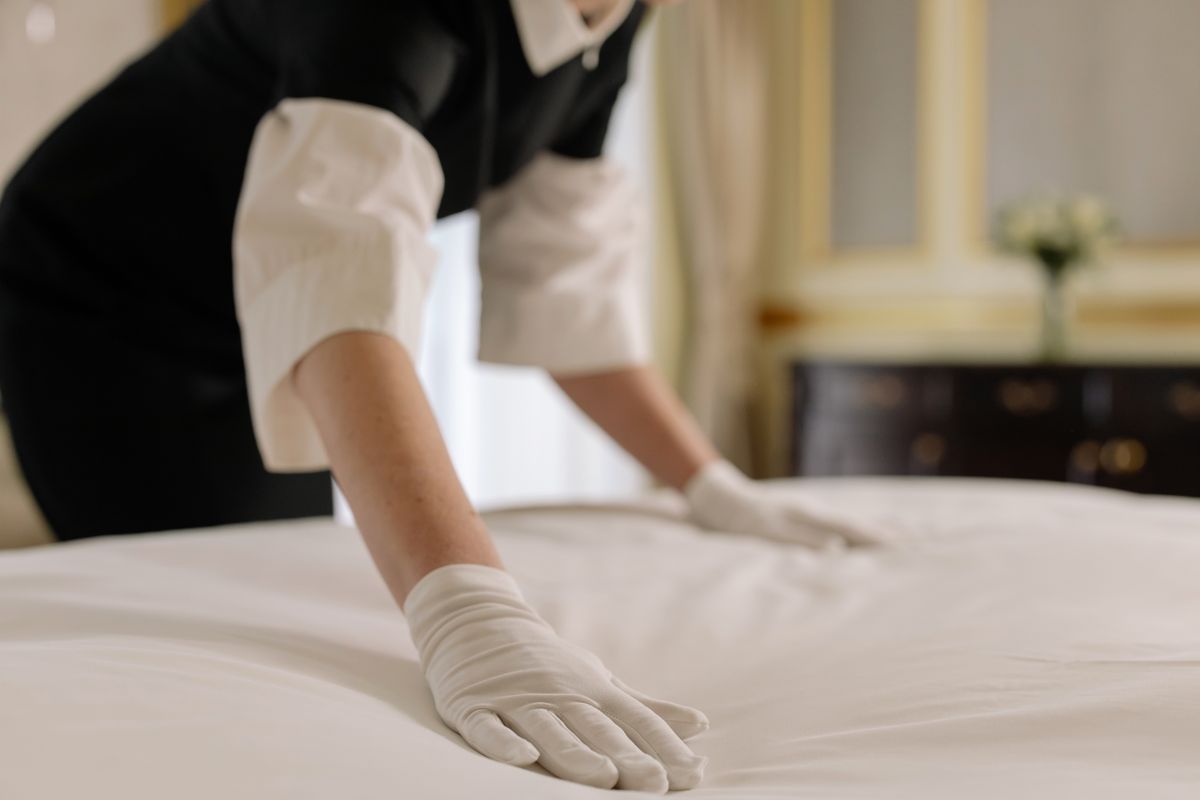
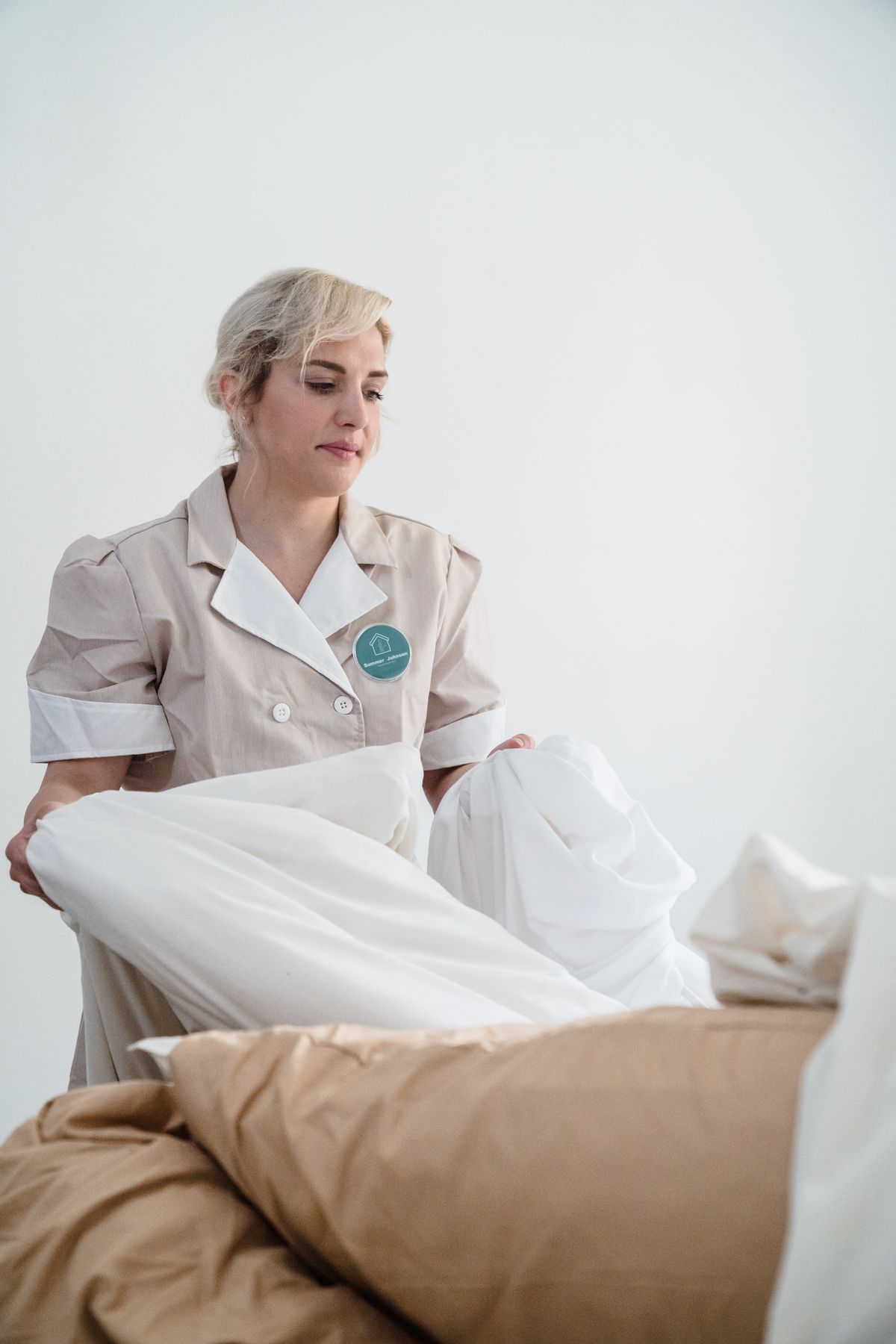
Housekeeping departments face constant pressure to turn rooms faster. Vacuum-sealing cleaned, folded linens into labeled bags creates pre-staged room sets — one bag contains everything needed to make up a room. Housekeepers grab a bag, restock the room in minutes, and move on. This system, adopted by chains like Marriott and Hilton at select properties, reduces room turnover time by 15–20%.
Additionally, vacuum storage protects linens from dust, moisture, and pests during storage — extending linen lifespan by an estimated 20–30%. When a hotel’s annual linen budget runs $50,000–$150,000, that extension translates to $10,000–$45,000 in annual savings. For hanging storage solutions, see wardrobe vacuum bag guide.
Bulk Order Patterns: How Hotels Buy
Hospitality purchasing follows predictable patterns that B2B suppliers should build their sales cycles around:
| Property Type | Annual Bag Volume | Preferred Sizes | Budget per Order | Decision Timeline |
|---|---|---|---|---|
| Boutique (10–50 rooms) | 50–150 bags | M, L, XL | $200–$800 | 2–4 weeks |
| Mid-scale (50–200 rooms) | 200–500 bags | L, XL, Jumbo | $800–$3,000 | 4–8 weeks |
| Full-service (200–500 rooms) | 500–1,500 bags | XL, Jumbo + amenity kits | $3,000–$10,000 | 8–12 weeks |
| Resort/Luxury (500+ rooms) | 1,500–5,000 bags | All sizes + custom branding | $10,000–$40,000 | 12–26 weeks |
The key insight: hospitality buyers are not price-sensitive — they’re reliability-sensitive. A single late delivery that disrupts housekeeping operations costs more than paying a 15% premium for guaranteed supply. This aligns perfectly with factory-direct sourcing advantages covered in our cost savings guide.
Hospitality Trade Shows: Where Deals Happen
The hospitality industry runs on relationships, and trade shows are where those relationships start. Key events for vacuum bag B2B suppliers:
- IH/M&RS (International Hotel/Motel & Restaurant Show) — New York, November. 20,000+ attendees. The premier North American hospitality trade event.
- HITEC (Hospitality Industry Technology Exposition & Conference) — Rotating US cities, June. Focus on operational technology — ideal for pitching efficiency-focused storage solutions.
- Ambiente — Frankfurt, February. Europe’s largest consumer goods trade fair with a strong hospitality segment.
- Gulfood — Dubai, February. While food-focused, Gulfood attracts hotel procurement directors from the Middle East, Africa, and South Asia.
- The Hotel Show — Dubai, September. Dedicated hospitality event covering operations, housekeeping, and supply chain.
Exhibiting costs $3,000–$15,000 per show, but a single hotel chain contract can deliver 10× ROI. Prepare product samples in all sizes, branded spec sheets with pricing tiers, and a compelling before/after storage volume demonstration. Complement trade show efforts with social media marketing that showcases hospitality use cases.
Customization & Branding for Hospitality Clients
Hotels value branded products. Offering custom printing (hotel logo on each bag) costs an additional $0.08–$0.15 per unit at manufacturing scale but transforms a commodity product into a value-added B2B solution. Customization options include:
- Logo printing: 1–2 color screen print on bag surface
- Custom color bags: Match hotel brand colors (MOQ: 5,000 units)
- Branded packaging: Hotel-branded retail boxes for amenity kits
- Size labeling: Room-type labels (e.g., “Suite Linens,” “Pool Towels”) printed on each bag
For implementation details, see our private label & branding guide and the sustainability guide for eco-friendly options that resonate with green-certified hotels.
Getting Started: Your Hospitality Sales Playbook
Month 1: Build a list of 50–100 target hotel procurement contacts. Focus on regional chains (50–200 properties) — they’re large enough to matter, small enough that decisions aren’t buried in corporate bureaucracy. Month 2: Send sample kits (5 bags in various sizes + branded spec sheet) to 20 decision-makers. Follow up by phone within 5 days. Month 3: Attend one regional hospitality trade show with samples and pricing. Month 4–6: Nurture relationships with quarterly check-ins and “new product” announcements. Hospitality sales cycles are long but sticky — once you’re an approved vendor, reorder rates exceed 80%. For broader market context, read vacuum bag market trends 2026.
External resources: American Hotel & Lodging Association | HOTELS Magazine | Hospitality Financial & Technology Professionals | IH/M&RS Trade Show | Statista Hotel Industry Data