Pet owners represent one of the most under-targeted segments in the vacuum storage bag market — and it’s a massive, growing opportunity. With global pet ownership at an all-time high and pet-related spending projected to reach $350 billion by 2027, the intersection of “pet owner” + “storage needs” is a niche that most vacuum bag brands completely ignore.
The Numbers: Why Pet Owners Need Vacuum Storage
| Statistic | Value | Source Context |
|---|---|---|
| US households with pets (2026) | 66% (86.9 million homes) | APPA National Pet Owners Survey |
| Average pet spending per US household | $1,480/year | APPA 2025–2026 |
| Pet owners who report “pet-related clutter” as a problem | 72% | Home organization surveys |
| Pet bedding/toys/clothing that could be vacuum-stored | Estimated $300M addressable market | Industry analysis |
Five Pet Owner Storage Pain Points
- Seasonal pet clothing: Dog coats, sweaters, booties, Halloween costumes — bulky, seasonal, perfect for vacuum compression.
- Spare pet bedding: Extra dog beds, cat beds, crate pads take up enormous closet space. One jumbo vacuum bag can compress two large dog beds into a flat package.
- Bulk pet toy storage: Multi-pet households accumulate hundreds of toys. Rotating toys keeps pets interested and homes tidy.
- Pet hair on everything: Pet owners want bags that won’t attract and hold pet hair on the exterior. Anti-static film treatment is a differentiator.
- Odor control: Pet bedding absorbs odors. Vacuum bags with odor-barrier properties (EVOH layer) command a premium in this niche.
Product Features Pet Owners Will Pay Extra For
| Feature | Why Pet Owners Want It | Cost Premium |
|---|---|---|
| Anti-static film | Repels pet hair instead of attracting it | +$0.05/unit |
| Odor-barrier EVOH layer | Contains pet bedding odors during storage | +$0.12/unit |
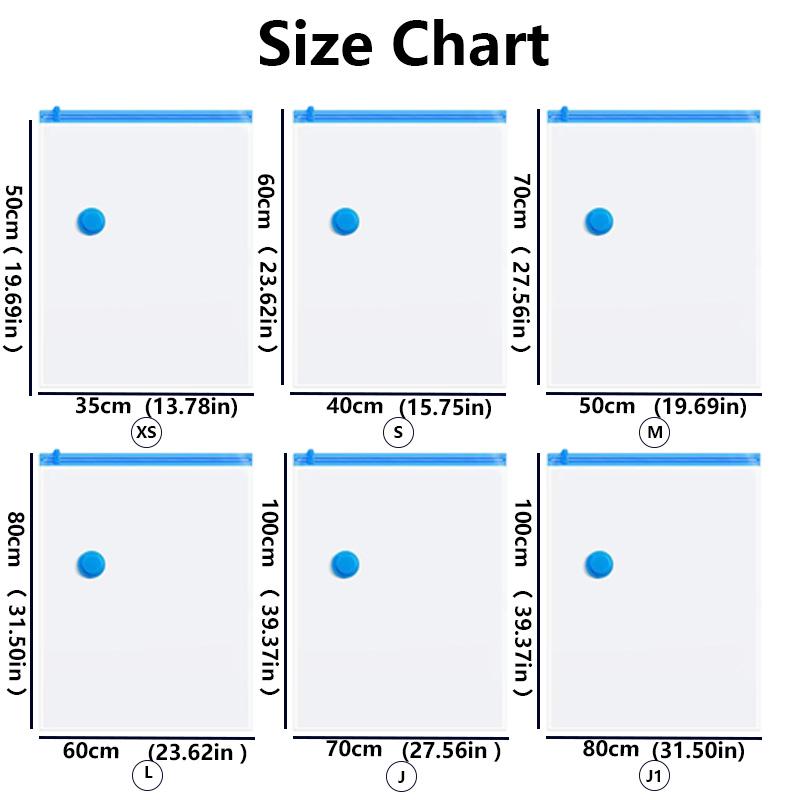
| Jumbo size (100×120cm+) | Fits dog beds, crate pads, bulk toys | +$0.15/unit |
| Paw-print design / pet-themed packaging | Emotional connection with pet owner buyers | +$0.03/unit (printing) |
| Heavy-duty 90+ micron | Withstands claws and rough handling | +$0.20/unit |
How to Market Vacuum Bags to Pet Owners
Amazon Keyword Strategy
Pet owners don’t search for “vacuum storage bags for pet supplies.” They search for “pet toy storage,” “dog toy organizer,” “dog bed storage,” “pet closet organization.” Your listing should target these keywords in the title, bullet points, and backend search terms — while keeping “vacuum storage bags” as the primary keyword.
Content Marketing Angles
- “How to Store Your Dog’s Winter Wardrobe in 5 Minutes”
- “Pet Owner Spring Cleaning: The 3-Bag System”
- “Traveling with Your Pet: Compression Bags for Pet Gear in the Car”
- “Decluttering for Dog Owners: A Room-by-Room Guide”
Influencer Outreach
Pet influencers (petfluencers) are among the highest-engagement creators on social media. Partner with dog and cat accounts that also post home/lifestyle content. A single reel of a golden retriever’s toys getting vacuum-packed can generate millions of views.
Competitive Landscape
As of mid-2026, no major vacuum bag brand has a dedicated pet owner product line. This is a wide-open positioning opportunity. The first brand to launch “PetStorage” or “FurBag” vacuum bags — with anti-static film, odor barrier, and paw-print packaging — will own this niche.
FAQ
Are vacuum bags safe for storing pet food?
Only if the bag is certified food-grade (FDA 21 CFR or EU 10/2011). Standard vacuum storage bags are not certified for direct food contact. For pet food storage, use dedicated food-grade vacuum bags — this is actually a related but separate product category worth exploring.
Won’t pet claws puncture the bags?
Pets shouldn’t have direct access to stored bags. But if there’s a concern, 90-micron PA+PE bags with high dart-drop ratings are puncture-resistant enough for normal storage conditions. The bags hold clothes and bedding, not the pet itself.
Sources: APPA National Pet Owners Survey 2025–2026; home organization consumer research; pet industry market data.