TL;DR: The EU Packaging and Packaging Waste Regulation (PPWR) 2025/40 applies from 12 August 2026 and fundamentally changes the compliance landscape for vacuum bag importers. All packaging must be recyclable by 2030, minimum recycled content thresholds begin in 2030, and new labeling and documentation rules take effect from 2028. Importers who audit their packaging now—before enforcement escalates—will secure market access while competitors scramble. This guide covers recyclability grading, recycled content mandates, labeling requirements, and the step-by-step compliance timeline.
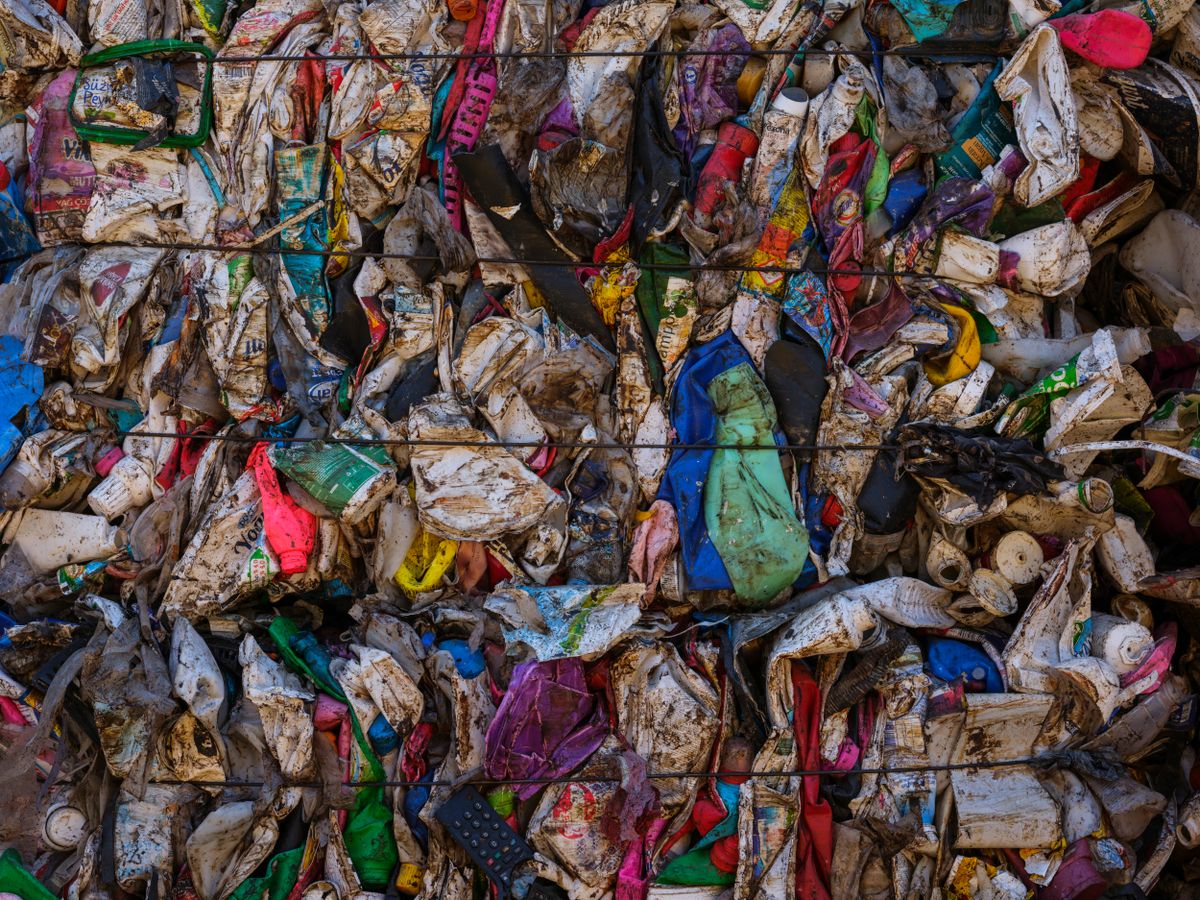
What Is the EU PPWR and Why Does It Change Everything for Importers?
The Packaging and Packaging Waste Regulation (PPWR), formally Regulation (EU) 2025/40, entered into force on 11 February 2025 and will generally apply from 12 August 2026. It replaces the earlier Packaging and Packaging Waste Directive 94/62/EC, which will be repealed 18 months after the PPWR’s entry into force.
The critical shift for importers is that the PPWR is a regulation, not a directive. This means it is directly applicable in all 27 EU member states without requiring national transposition into local law. There is no room for member state interpretation or gold-plating—the rules are uniform across the EU single market from day one.
The PPWR covers all packaging placed on the EU market, regardless of material, function, or whether it is filled or empty. This includes:
- Primary packaging: The immediate vacuum bag pouch or bag that the end consumer opens
- Secondary packaging: Retail cartons, multi-pack boxes, display trays
- Tertiary/transport packaging: Master cartons, pallet wrap, strapping, void fill
- E-commerce packaging: Mailer envelopes, protective packaging for online orders
In 2022, the EU generated 186.5 kg of packaging waste per person, and 40% of plastics used in the EU go into packaging—yet reuse, collection, and recycling levels remain low. The PPWR targets all packaging to be recyclable in an economically viable way by 2030, while safely increasing recycled plastic content and decreasing virgin material use.
For vacuum bag importers, this means the polybag, carton, and pallet wrap that protect your product during shipping from Qingdao to Rotterdam is now subject to legally enforceable recyclability, recycled content, and labeling rules—whether you manufacture the packaging or not.
How Will Recyclability Grading Work Under the PPWR?
The PPWR introduces a recyclability performance grading system (A through E) that will determine which packaging can legally be placed on the EU market. This is a fundamental market access mechanism—not a voluntary eco-label.
| Grade | Description | Market Access |
|---|---|---|
| A | Design for recycling: ≥95% by weight recyclable; fully compatible with collection, sorting, and recycling infrastructure | Full market access; eligible for modulated EPR fees (lowest cost) |
| B | Design for recycling: ≥90% by weight recyclable; minor compatibility constraints | Full market access through 2038; moderate EPR fees |
| C | Design for recycling: ≥70% by weight recyclable; significant compatibility constraints | Permitted only until 1 January 2038; higher EPR fees |
| D | Not recyclable at scale but with improvement potential | Banned from 1 January 2030 |
| E | Not recyclable; no feasible recycling pathway | Banned from 1 January 2030 |
The grading criteria will be defined through delegated acts adopted by the European Commission, with the first act expected before the August 2026 general application date. The assessment considers:
- Design for recycling: Material composition, separability of components, presence of problematic substances
- Collection compatibility: Whether the packaging can be effectively sorted in existing waste collection systems
- Sorting compatibility: Whether optical sorters, float-sink tanks, and other technologies can separate the material stream
- Recycling at scale: Whether the recycling technology exists and operates at commercial scale within the EU
Critical deadline: By 1 January 2035, recyclability must be demonstrated “in practice and at scale”—not just theoretically. This requires audited data from collection systems, EPR schemes, or recycling facilities proving that the packaging is actually being collected, sorted, and recycled across the EU.
For vacuum bag packaging, the most common compliance challenge involves multi-layer laminated films. If your vacuum bags are packaged in a PE/nylon laminate pouch that cannot be separated by consumers, the composite structure may receive a grade D or E—and be banned from the market from 2030. Switching to mono-material packaging now avoids this cliff-edge risk.
What Recycled Content Mandates Apply to Vacuum Bag Packaging?
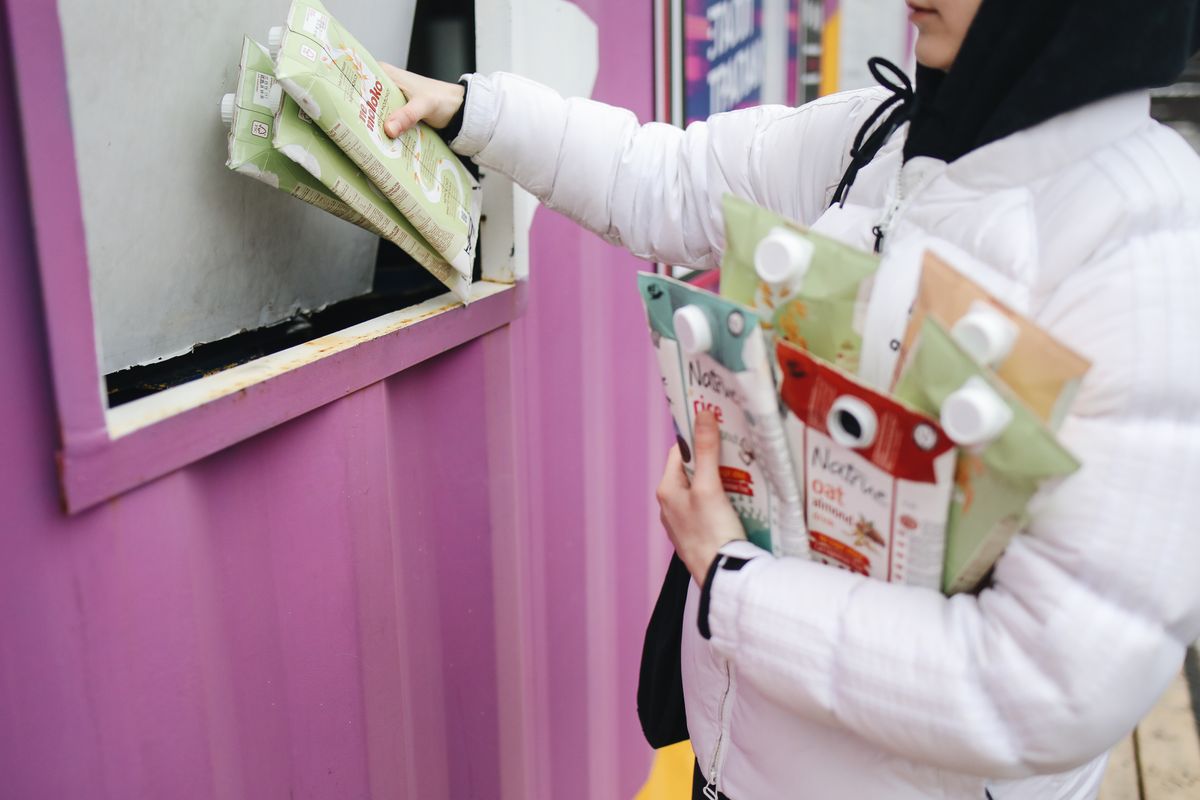
From 1 January 2030, all plastic packaging placed on the EU market must contain a minimum percentage of post-consumer recycled content (“recycled content recovered from post-consumer plastic waste”). The specific percentages are differentiated by packaging type and contact sensitivity:
| Plastic Packaging Type | 2030 Target | 2040 Target |
|---|---|---|
| Single-use plastic beverage bottles (PET) | 30% | 65% |
| Contact-sensitive packaging (non-PET, non-beverage) | 10% | 50% |
| Contact-sensitive packaging (PET, non-beverage) | 30% | 50% |
| All other plastic packaging (including non-contact-sensitive) | 35% | 65% |
For vacuum bag importers, the relevant category depends on what your packaging contacts:
- Vacuum bags sold as food contact articles: If the bag itself is marketed for food storage, the bag’s packaging (the outer polybag or carton) is typically non-contact-sensitive, so it falls under the 35% recycled content target by 2030.
- Non-food vacuum storage bags: The outer packaging (polybag overwrap, header card, carton) falls under “all other plastic packaging” at 35% by 2030.
The recycled content must be calculated as an annual average per manufacturing plant and per packaging type. Importantly, the PPWR requires that recycled content be calculated at the level of the manufacturing plant—meaning your Chinese supplier’s facility must demonstrate the recycled content percentage, not a corporate average across all facilities.
Exemptions apply for plastic packaging where the recycled content requirement would compromise compliance with food contact material regulations (Regulation (EC) No 1935/2004), medical device regulations, or where recycled content is technically infeasible at the required percentage.
What Labeling Rules Must Vacuum Bag Importers Follow?
The PPWR introduces comprehensive harmonized labeling requirements designed to enable consumers to correctly sort packaging waste. These requirements will be specified through implementing acts, with application dates staggered from 2028 onward.
Key labeling requirements include:
Material Composition Labeling
Packaging must bear a label indicating its material composition to facilitate correct waste sorting by consumers. The label format will be harmonized across the EU and will be based on the existing material identification codes (Decision 97/129/EC) but may adopt new pictograms or symbols yet to be defined by the Commission.
Recyclability Label
From 2028 or as specified by implementing acts, packaging must display a harmonized label indicating its recyclability grade (A–E). This label will be visually distinctive and standardized across all EU markets.
Recycled Content Label
Packaging with recycled content may carry a label indicating the percentage of recycled content, using a harmonized methodology. Voluntary green claims about recycled content must comply with the PPWR’s calculation methodology.
Reuse Label
Reusable packaging must carry a label informing consumers that the packaging is reusable and providing information on the reuse system.
QR Code or Digital Link
Certain packaging may be required to carry a QR code or other digital data carrier providing detailed information on material composition, recyclability, and disposal instructions. This is particularly relevant for composite and multi-material packaging.
For vacuum bag importers, the practical implication is that your packaging artwork and printing plates will need revision. If you print packaging in advance (as most importers do for private label programs), you must ensure your print runs align with the labeling compliance dates to avoid obsolete inventory.
PPWR Compliance Timeline: What Changes When?
The PPWR phases in requirements over a decade. Understanding the sequence is essential for budget planning and supply chain readiness:
| Date | Requirement | Action for Importers |
|---|---|---|
| 11 Feb 2025 | PPWR enters into force | Begin compliance gap analysis |
| 12 Aug 2026 | General application begins (most provisions active) | Ensure all new packaging meets PPWR requirements; audit existing stock |
| 2028–2029 | Harmonized labeling rules apply (via implementing acts) | Revise packaging artwork; update printing plates; implement labeling systems |
| 1 Jan 2030 | Only recyclability grades A–C on market; recycled content thresholds take effect | Switch to recyclable mono-materials; secure recycled content supply; verify grades |
| 1 Jan 2035 | Recyclability “in practice and at scale” required (real-world data) | Collect audited recycling performance data; maintain ongoing evidence |
| 1 Jan 2038 | Only grades A and B permitted; grade C phased out | Eliminate all grade C packaging materials from supply chain |
| 1 Jan 2040 | Elevated recycled content targets (65% for most categories) | Plan for next-generation recycled content sourcing |
Importers who audit existing packaging materials now—before the 12 August 2026 general application—can identify non-compliant items and develop transition plans. The cost of compliance is lowest when addressed proactively; emergency compliance in 2030 will carry premium costs for recycled materials, rush packaging redesign, and airfreight of replacement stock.
Practical Steps for Vacuum Bag Importers
Qingdao Sanyuan and other professional vacuum bag manufacturers are already adapting to PPWR requirements. But importers bear compliance responsibility—here is your action checklist:
- Map your packaging inventory: Catalog every packaging component used in your vacuum bag shipments—primary pouch, header card, retail carton, master carton, pallet wrap, void fill, adhesive labels. Note material composition for each.
- Assess recyclability grades: Work with your packaging supplier (or an accredited laboratory) to determine the likely PPWR recyclability grade for each packaging component. Identify any multi-layer laminates or problematic materials that may fall below grade C.
- Plan mono-material transitions: Switch multi-layer packaging to mono-material alternatives (e.g., 100% PE overwrap instead of PE/nylon laminate). Negotiate with your vacuum bag supplier to ensure packaging material changes are implemented at the factory level.
- Secure recycled content commitments: If you package in plastic, start discussions with packaging material suppliers about post-consumer recycled (PCR) content availability. Availability is expected to tighten as 2030 approaches.
- Budget for labeling redesign: Set aside 2027–2028 budget for packaging artwork revision, printing plate changes, and transitional inventory management. Coordinate labeling changes with your supplier’s production schedule.
- Verify EPR registration: Confirm that your EU importer of record or authorized representative is registered with the relevant national EPR (Extended Producer Responsibility) schemes for packaging. The PPWR strengthens EPR requirements—registration gaps expose you to enforcement action.
- Monitor implementing acts: Subscribe to European Commission notifications for PPWR implementing and delegated acts. The detailed specifications for recyclability grading, labeling formats, and recycled content calculation methodology will be issued through these acts.
FAQ: EU PPWR Packaging Compliance for Vacuum Bag Importers
Does the PPWR apply to packaging imported from outside the EU?
Yes. The PPWR applies to all packaging placed on the EU market, regardless of origin. Imported packaging must meet the same requirements as EU-manufactured packaging. The importer (the EU-established entity placing the packaged product on the market) bears the compliance obligation. If you act as the importer of record, you are responsible for ensuring your Chinese supplier’s packaging meets PPWR standards.
What happens if my vacuum bag packaging is non-compliant with PPWR?
Member states are required to establish “effective, proportionate, and dissuasive” penalties for PPWR violations. Non-compliant packaging may be withdrawn from the market, recalled, or prohibited from being placed on the market. Customs authorities may detain non-compliant shipments at the border. Financial penalties will be set by individual member states and can be significant.
Are there exemptions for small importers or low-volume shipments?
The PPWR contains limited exemptions for micro-enterprises (fewer than 10 employees and annual turnover or balance sheet total not exceeding €2 million), but these exemptions are narrow and do not cover the core recyclability and recycled content requirements. Most B2B importers of vacuum bags will not qualify for any exemption. Assume full compliance is required.
Does the PPWR regulate the vacuum bag product itself, or just its packaging?
The PPWR regulates packaging—the materials used to contain, protect, handle, deliver, or present the vacuum bag product. The vacuum bag itself (if it is the product being sold) is not regulated as packaging under the PPWR. However, the outer polybag, retail carton, master carton, and transport packaging ARE regulated. If the vacuum bag is sold empty and intended to be used by consumers to package food, it may qualify as a product rather than packaging—but its own packaging (the materials used to sell and ship it) remains in scope.
How can I verify recycled content claims from my packaging supplier?
Recycled content must be verified through third-party certification or audited mass balance chain of custody systems. The PPWR empowers the Commission to adopt implementing acts specifying the verification methodology. Acceptable certification schemes may include EuCertPlast, RecyClass, and other EN 15343-compliant certification bodies. Request recycled content certificates from your packaging material supplier and retain them for compliance documentation.
Related reading:
- EPR & Extended Producer Responsibility for Vacuum Bags in the EU
- Vacuum Bag Cross-Border Compliance: GPSR, UKCA & Prop 65
- Vacuum Bag Industry Standards: ISO, ASTM & EN Guide
- Incoterms for Vacuum Bag Imports: FOB, CIF & DDP Guide
- Container Loading Optimization for Vacuum Bag Shipments
Disclaimer: This article provides general information for B2B importers and does not constitute legal advice. The PPWR is a complex, evolving regulation with implementing and delegated acts yet to be adopted. Consult an EU-qualified regulatory attorney for compliance guidance specific to your products and supply chain.