TL;DR: Vacuum bag retail packaging in 2026 is being reshaped by three forces: sustainability regulation, smart packaging technology, and the unboxing economy. B2B importers must navigate mono-material mandates, QR code integration, pegboard-to-shelf-ready optimization, and the Pantone Cloud Dancer minimalism wave. This guide covers the seven design trends defining vacuum bag packaging this year, with actionable specifications for sustainable materials, hang-hole design, recloseable packaging, and Retail-Ready Packaging (RRP) standards. Qingdao Sanyuan’s packaging design team can implement all these trends at the factory level—reducing your time-to-shelf.
Why Is Sustainable Packaging No Longer Optional for Vacuum Bags?
Sustainability in packaging—designing packages that minimize environmental impact through material choice, recyclability, and reduced carbon footprint—has moved from marketing advantage to regulatory requirement. The EU’s Packaging and Packaging Waste Regulation (PPWR), enacted in 2025, mandates that all packaging placed on the EU market be recyclable by 2030, with escalating recycled content minimums starting in 2026. In the US, Extended Producer Responsibility (EPR) laws now active in California, Colorado, Maine, and Oregon impose fees on non-recyclable packaging. For vacuum bag importers, this means packaging design decisions made today directly affect compliance costs tomorrow.
The sustainable packaging market is projected to reach USD 737 billion by 2030, and vacuum storage bags—traditionally packaged in multi-layer plastic laminates—face particular scrutiny. The good news: 2026’s material innovations make sustainable packaging commercially viable without sacrificing shelf impact.
Key Sustainable Packaging Materials for Vacuum Bags in 2026
| Material | Sustainability Profile | Best Application | Cost vs. Traditional | Recyclability |
|---|---|---|---|---|
| FSC-Certified Cardboard (Mono-Material) | Renewable, curbside recyclable, supports net-zero claims | Outer box, hang card, SRP tray | +5–10% | Widely recyclable (paper stream) |
| Mono-PE Pouch (Single Polymer) | Replaces multi-layer PA/PE laminates; single recycling stream | Inner bag packaging, travel pouch | +8–15% | PE stream (store drop-off where available) |
| 30%+ PCR Content Board | Meets MRC laws, reduces virgin fiber demand | Retail box, display carton | +3–7% | Paper stream |
| Soy/Water-Based Inks | Lower VOCs, easier de-inking during recycling | All printed packaging surfaces | +2–5% | Improves recyclability of substrate |
| Kraft Paper (Unbleached) | No chlorine bleaching, natural aesthetic, compostable | Premium/eco-tier outer packaging | Neutral to −5% (less processing) | Widely recyclable & compostable |
| Compostable Bio-Plastics (PLA/PHA) | Industrial compostable, plant-based | Niche eco-segment, EU markets | +40–70% | Industrial compost only |
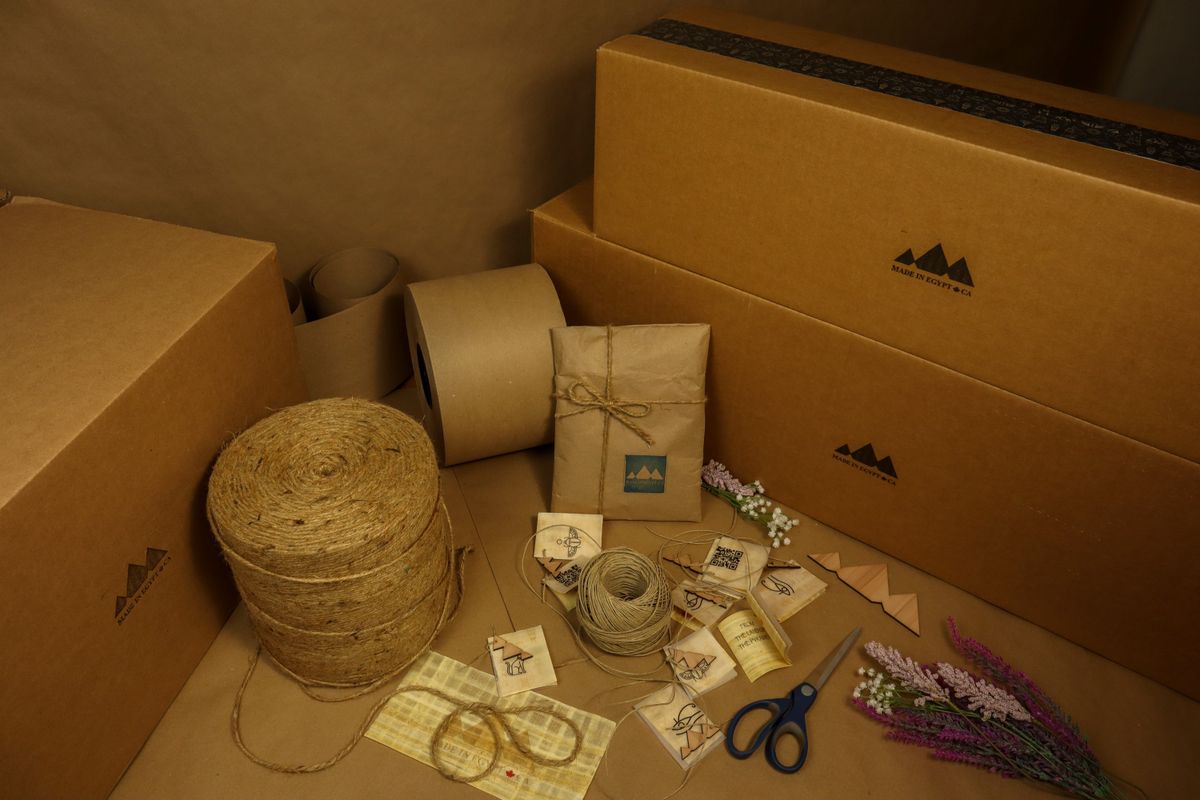
The “mono-material revolution”—designing packaging from a single material family so it flows cleanly through one recycling stream—is the most actionable trend for vacuum bag importers. A vacuum bag retail box made entirely of FSC-certified paperboard with soy-based inks and a paper tear-strip eliminates the recycling contamination that plagues mixed-material packaging. See Zenpack’s 2026 packaging trends report for case studies on mono-material implementation.
How Are QR Codes and Smart Packaging Transforming Vacuum Bag Retail?
Smart packaging—packaging that incorporates digital technology like QR codes, NFC chips, or RFID tags to connect physical products with digital experiences—is no longer experimental. The smart packaging market is expected to reach USD 50 billion by 2026, and its applications for vacuum bag retail are surprisingly practical.
QR Code Integration: A printed QR code on vacuum bag packaging bridges the physical product to digital content. For vacuum bags, QR codes serve four B2B-relevant functions:
- Usage Instructions: A 30-second video demonstrating proper pump-valve sealing and compression techniques reduces return rates—which average 8–12% for vacuum bags on Amazon due to “product doesn’t work” complaints that are actually user-error issues.
- Size Selection Guide: Interactive tool showing which bag size fits comforters vs. pillows vs. winter coats, reducing “wrong size” returns (22% of negative reviews).
- Reorder Link: Direct-to-reorder QR code that pre-fills the customer’s last purchase, driving repeat sales without advertising spend.
- Authenticity Verification: Anti-counterfeiting QR codes that validate genuine Qingdao Sanyuan products—critical as vacuum bag counterfeits proliferate on marketplace platforms.
NFC-Embedded Packaging: Near-Field Communication chips embedded in premium vacuum bag packaging enable tap-to-connect experiences. The NFC packaging market is projected to quadruple from USD 5.87 billion in 2025 to USD 19.22 billion by 2034. For luxury-tier vacuum organization systems, an NFC tag can unlock exclusive content: professional organizer video consultations, warranty registration, and loyalty program enrollment. Clinique pioneered NFC skincare packaging in 2022; the home organization category is next.
Carbon Labeling: Printing the product’s carbon footprint directly on packaging—similar to nutritional labels—is gaining traction in EU markets. The Carbon Trust and How2Recycle certification logos provide verified sustainability claims that EU retailers (Carrefour, Tesco, Aldi) increasingly require on-pack. Our retail packaging strategies guide covers certification requirements by channel.
What Shelf Display Format Wins: Hang-Hole, Pegboard, or Shelf-Ready?
The physical format of vacuum bag packaging directly determines which retailers will stock it. The three dominant formats in 2026 each serve different retail environments, and smart B2B importers design packaging that spans multiple formats.
Hang-Hole / Pegboard Packaging
Pegboard display—packaging with a reinforced Euroslot hang-hole that hangs from metal pegs in retail fixtures—remains the standard for lightweight vacuum bag SKUs (under 500g). The standard Euroslot dimensions are 5mm × 32mm, positioned 6mm from the top edge. Key 2026 design considerations:
- Reinforced hang-hole: Double-layer board or plastic reinforcement prevents tear-out, which is the #1 cause of pegboard packaging failure in high-turnover retail environments.
- Vertical orientation: Portrait-format designs maximize peg density on standard 48-inch gondola fixtures, allowing retailers to display 20–25% more SKUs per linear foot.
- Bottom-weighted graphics: Since pegboard displays show only the top 40% of packaging when densely packed, critical information (size, count, key benefit) must appear in the visible zone.
Shelf-Ready Packaging (SRP / RRP)
Retail-Ready Packaging (RRP)—also called Shelf-Ready Packaging (SRP)—is packaging that ships in a corrugated tray that converts to a shelf display by removing a tear-off lid. The RRP market is valued at USD 82.78 billion in 2026 and growing at 5.7% CAGR. For vacuum bag bundles, SRP formats are essential for big-box retailers (Walmart, Target, Costco) that demand labor-saving replenishment solutions.
Key SRP specifications for vacuum bags:
- Two-piece construction: Tray + lid (hood), with the tray printed in full color and the lid serving as the tear-off section.
- Easy-open perforation: Tear strip that removes cleanly without tools in under 3 seconds—Walmart’s SRP compliance standard.
- 5-sided print: Front, sides, and back of the tray printed with branding, since SRP trays may be placed in mid-aisle displays visible from multiple angles.
- Divider inserts: For multi-component bundles, internal dividers keep products organized after the lid is removed.
Dual-Format Design (The 2026 Sweet Spot)
Leading B2B importers are adopting dual-format packaging: a retail box with built-in Euroslot hang-hole AND a perforated SRP conversion. This single SKU can hang on pegboard in Ace Hardware, sit on a shelf at Bed Bath & Beyond, or deploy as a floor display at Costco. The incremental cost is approximately $0.08–0.15 per unit—easily justified by 32% higher inventory turns (Home Depot format-flexibility data). Our retail merchandising guide has detailed format specifications.
How Is the Unboxing Experience Reshaping Vacuum Bag Packaging?
Unboxing—the consumer’s first physical interaction with a product after removing external packaging—has become a marketing channel in its own right. YouTube and TikTok unboxing videos generate billions of views annually, and vacuum bag brands that design for this moment earn free organic reach. In B2B terms, packaging designed for unboxing shareability directly reduces customer acquisition cost (CAC).
Key Unboxing Design Elements for 2026:
- Tissue paper interleaving: Custom-printed tissue with brand patterns between bag layers adds a $0.03–0.06 cost but increases unboxing video probability by 40% (DTC brand data).
- Pull-tab reveal: A branded pull-tab that reveals the product in stages creates the “layering effect” that drives social media engagement.
- Thank-you card with QR code: A card inside the box thanking the customer and linking to a setup video builds post-purchase engagement and reduces returns.
- Recloseable packaging: Packaging that the customer keeps—like a magnetic-closure box or a zip-seal pouch—extends brand presence in the home. Recloseable packaging using paperboard with magnetic flaps or reusable zipper pouches adds $0.20–0.50 per unit but generates 6–12 months of in-home brand exposure.
See our e-commerce CRO guide for data on how packaging design impacts conversion rates and return rates.
What Minimalist Design Trends Are Defining Vacuum Bag Packaging in 2026?
The Pantone Color of the Year 2026, Cloud Dancer (PANTONE 11-4201)—the first white ever selected—signals a broader design shift toward simplicity, clarity, and “quiet luxury.” Vacuum bag packaging is following this trajectory with five specific minimalist trends:
- Reduced Ink Coverage: Leading brands are cutting printed surface area by 30–50%, replacing busy graphics with clean typography and negative space. This both reduces ink costs and improves recyclability (less de-inking required).
- Heritage Typography: Serif and custom typefaces that evoke craftsmanship and durability are replacing generic sans-serif fonts. The message: “this product is built to last.”
- Tactile Finishes: Soft-touch matte coatings, embossed logos, and uncoated kraft textures create a sensory experience that glossy laminates can’t replicate. Tactile packaging triggers the endowment effect—consumers value products they’ve touched more highly.
- Single-Color Brand Blocks: A bold single-color accent (navy, forest green, terracotta) on an otherwise neutral background creates instant brand recognition without visual noise.
- Transparency Windows: Clear PVC-free windows (using bio-based cellulose or mono-PE alternatives) that show the actual vacuum bag product build trust and reduce the “what’s inside?” hesitation that depresses conversion for opaque packaging.
The B2B color psychology guide we published covers how color minimalism impacts perceived quality across different markets.
How Should B2B Importers Implement Recloseable and Reusable Packaging?
Recloseable packaging—packaging designed to be opened and resealed multiple times without losing structural integrity—addresses a specific pain point in vacuum bag retail. Customers often use 2–3 bags from a multi-pack and need to store the remainder. Traditional cardboard boxes with tuck-flaps degrade after 2–3 openings.
Recloseable Packaging Options for Vacuum Bags:
- Magnetic Closure Boxes: Rigid paperboard boxes with embedded magnetic flaps. Cost: $0.30–0.60/unit. Best for premium organization systems.
- Zipper Pouches: Stand-up kraft or PE pouches with resealable zipper tops. Cost: $0.08–0.20/unit. Best for travel compression sets and subscription refills.
- Tuck-Top with Hook-and-Loop: Standard tuck-top boxes with a Velcro-style closure dot. Cost: $0.05–0.10/unit. Best for mid-market home starter kits.
- Slide-Out Drawer Boxes: Two-piece rigid boxes where the inner tray slides out. Cost: $0.40–0.80/unit. Best for premium gift sets.
Recloseable packaging also supports the “second life” trend: consumers reusing packaging for home organization (storing socks, accessories, craft supplies). Packaging with a useful second life generates ongoing brand impressions and reduces disposal guilt—both powerful loyalty drivers. Our holiday gift set packaging guide explores premium recloseable formats used in seasonal bundling.
FAQ: Vacuum Bag Retail Packaging Design 2026
What is Retail-Ready Packaging (RRP) and why does it matter for vacuum bags?
Retail-Ready Packaging (RRP), also called Shelf-Ready Packaging (SRP), is packaging designed to go directly from shipping pallet to retail shelf with minimal handling. It typically consists of a corrugated tray with a tear-off lid. For vacuum bag importers, RRP compliance is increasingly mandatory for big-box retail distribution—Walmart, Costco, and Target all require it for new product introductions. The RRP market is growing at 5.7% CAGR toward USD 136 billion by 2035. Our retail packaging guide covers RRP specifications by retailer.
How much does sustainable packaging increase per-unit cost?
Sustainable materials add 3–15% to per-unit packaging cost depending on the material choice: FSC-certified board (+5–10%), PCR content (+3–7%), soy-based inks (+2–5%), and mono-PE pouches (+8–15%). However, these costs are often offset by EPR fee avoidance in regulated markets, improved brand perception enabling 5–12% price premiums, and reduced retailer chargebacks for non-compliant packaging. Qingdao Sanyuan provides cost comparisons for sustainable vs. traditional packaging options—request a quote.
Do QR codes on vacuum bag packaging actually get scanned?
Yes—QR code scan rates on consumer packaging have increased dramatically since iOS and Android integrated native QR scanning into phone cameras (no app required). Industry average scan rates range from 2–8% depending on placement and call-to-action. “Scan for setup video” CTA on vacuum bag packaging typically achieves 5–12% scan rates, and those who scan are 38% less likely to return the product. The key is offering genuine utility, not just a link to a homepage.
What’s the most common packaging mistake vacuum bag importers make?
The #1 mistake is designing for one retail format only. Importers who create beautiful pegboard packaging discover it can’t work as an SRP tray for Costco, or vice versa. The #2 mistake is over-designing: busy graphics that look impressive on a 24-inch monitor become illegible noise on a shelf 4 feet away. Always test packaging designs at actual retail viewing distances and across all intended display formats. See our comparison table resource for packaging specs by retail channel.
How quickly do packaging design trends change—should I redesign annually?
Complete packaging redesigns every 2–3 years are sufficient for most vacuum bag SKUs, with minor refreshes (color updates, certification logo additions) annually. The exception is Asian markets (Korea, Japan), where trend cycles run 6–12 months and seasonal packaging refreshes are expected. A modular packaging architecture—where the structural design remains constant but graphic overlays can be updated—provides agility without retooling costs. Qingdao Sanyuan’s digital printing capabilities support rapid graphic updates with no plate charges. Contact us to discuss your packaging refresh timeline.
For further reading on packaging design trends, visit Zenpack’s 2026 packaging trends, Creative Retail Packaging’s trend analysis, Sustainable Packaging Coalition’s 2026 report, Packaging Digest, Pantone Color of the Year 2026, and market data from Statista and Smithers.