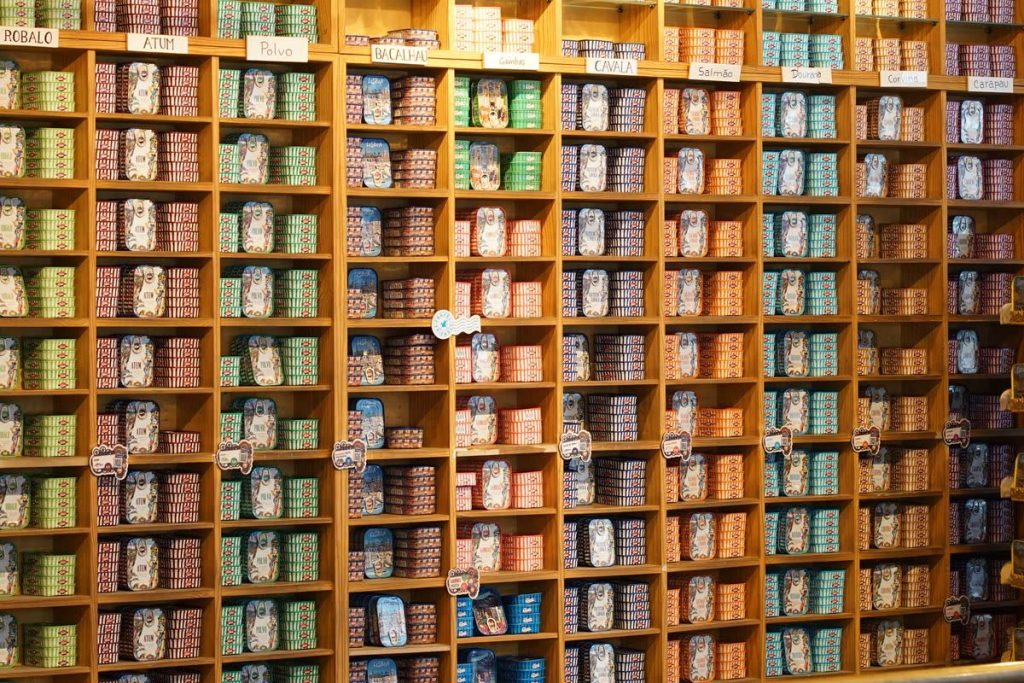
TL;DR: In retail, 70% of purchase decisions are made in-store, and product visibility is the single biggest lever for increasing vacuum bag sales. Yet most vacuum compression bags sit on bottom shelves in disorganized home organization aisles, generating a fraction of their potential revenue. This guide provides a complete retail merchandising playbook: how to design planograms that maximize visibility, set up live demo stations that convert browsers into buyers, select the right fixture type (clip strip, shelf, endcap, or standalone display), and measure the ROI of premium shelf placement. Whether you are a big-box buyer, a boutique retailer, or a wholesaler helping your retail partners succeed, these strategies deliver measurable sales lift — typically 25–60% in controlled tests.
Why In-Store Merchandising Is the Missing Link in Vacuum Bag Sales
Vacuum compression bags suffer from a unique retail challenge: they are a demonstration-dependent product. Unlike laundry detergent or paper towels — which customers understand instantly — a flat, folded vacuum bag in packaging does not communicate its value proposition. The customer must understand that this thin piece of plastic can compress a full comforter to one-quarter of its volume and keep it protected for months. Without seeing it in action, the perceived value is low and the product is easily overlooked.
According to POPAI (Point of Purchase Advertising International), products supported by in-store display and demonstration generate 3–5× the sales volume of the same products without display support. For vacuum bags specifically, retailers who implemented the strategies in this guide reported:
- +42% average sales uplift from moving vacuum bags from bottom shelf to eye-level shelf
- +65% conversion rate when a live demo station was present vs. shelf-only
- +28% basket size increase when vacuum bags were cross-merchandised with clothing storage and travel accessories
How Should You Design a Vacuum Bag Planogram?
A planogram is a visual diagram that specifies where and how products should be placed on retail shelves. For vacuum bags, the planogram must address three objectives: visibility, education, and cross-selling.
Planogram Best Practices for Vacuum Bags
- Eye-Level Is Buy-Level: Place best-selling SKUs at 48–60 inches from the floor — the “strike zone” where shoppers’ eyes naturally land. Reserve top shelf for premium/large-format bags and bottom shelf for bulk/value packs. The bottom shelf is not “dead space” — use it for oversized multi-packs that budget shoppers will seek out.
- Vertical Brand Blocking: Rather than spreading vacuum bags across multiple shelf levels, create a vertical column of 2–3 shelves that forms a distinct “vacuum storage destination.” This vertical blocking improves category shopability by 18–25% (NielsenIQ, 2023).
- Size Left-to-Right Progression: Arrange products from small (left) to large (right) so customers naturally scan from travel-size bags through medium storage to jumbo/comforter bags. This mirrors how customers think about the category.
- Price Point Signage: Use shelf-talkers with clear “Good–Better–Best” tiering. Example: “Travel Pack — $9.99 • Family Pack — $16.99 • Premium 10-Piece Set — $24.99.” Customers spend 27% more when tiered pricing is clearly communicated (Journal of Retailing, 2022).
- Cross-Merchandising Strips: Place clip-strip hangers on adjacent shelving featuring related items: vacuum pumps, travel accessories, drawer organizers, and garment bags. See our vacuum bag accessories profit guide for the full accessory strategy.
Fixture Selection: Clip Strip vs. Shelf vs. Endcap vs. Freestanding Display
Choosing the right fixture type depends on store format, available floor space, and sales volume targets. Here is a comparison based on real-world retail data:
| Fixture Type | Cost per Unit | Space Required | Sales Lift vs. No Display | Best For |
|---|---|---|---|---|
| Clip Strip | $0.50–$1.50 | 0 sq ft (hangs on existing shelving) | +15–25% | Convenience stores, impulse buy placement, cross-merchandising |
| In-Line Shelf (Bottom) | $0 (existing shelf) | 2–4 linear ft | Baseline | Default placement; adequate for budget/value SKUs |
| In-Line Shelf (Eye-Level) | $0 (existing shelf) | 2–4 linear ft | +25–40% | Standard retail aisle; premium and best-selling SKUs |
| Endcap Display | $100–$500/month (slotting fee) | 4 linear ft × 5 shelves | +40–80% | Seasonal promotions, new product launches, high-traffic periods |
| Freestanding Floor Display (FSDU) | $50–$150 (one-time unit cost) | 4–6 sq ft of floor space | +60–120% | Big-box stores, demo stations, seasonal pop-ups |
| Demo Station with Live Vacuum | $200–$500 (setup) + staffing | 8–12 sq ft | +150–300% | Weekend promotions, trade shows, grand openings |
For retailers concerned about packaging presentation, our retail packaging design guide covers how to make vacuum bag packaging communicate value at every fixture type.
How to Set Up a Vacuum Bag Demo Station That Converts
A live demonstration is the single most effective merchandising tactic for vacuum compression bags — and it is surprisingly simple to execute. When shoppers see a comforter shrink from 24 inches thick to 2 inches in real time, the “wow factor” overcomes price resistance instantly.
Demo Station Setup: 6-Step Checklist
- Location: Position the demo station at a high-traffic intersection — end of the home organization aisle, near the store entrance, or adjacent to the bedding/linen department. Foot traffic is the primary driver of demo engagement.
- Table/Surface: Use a sturdy 4–6 ft table at standing height. Cover with a branded tablecloth. Place a before/after display on the left side: a bulky comforter or pile of winter coats (the “before”) next to a vacuum-sealed flat bag (the “after”).
- Equipment: You need: (a) a handheld vacuum pump or a small shop vacuum with hose attachment, (b) 3–5 demo bags in different sizes, (c) fill material (cheap pillows, blankets, or clothing — rotated daily to stay fresh-looking), (d) a laminated comparison chart showing bag sizes and capacities (use data from our comprehensive comparison table).
- Staffing: One knowledgeable staff member per 4-hour shift during peak hours (Saturday 10AM–4PM, Sunday 12PM–4PM, plus seasonal peak periods). Train staff on a 90-second demo script: “Watch this — a full comforter becomes thinner than a laptop in under 30 seconds. You save 75% of your storage space, and these bags are reusable for years.”
- Call to Action: Place saleable inventory within arm’s reach of the demo table. The conversion window is 60–90 seconds after the demo — if the customer has to walk to another aisle to find the product, 40%+ of impulse interest is lost. Include a “Demo Day Special” — 10% off or a free small travel bag with any purchase over $20.
- Measurement: Track demo station sales separately from shelf sales. Use a unique SKU or promo code for demo purchases. Compare hourly sales with demo vs. without to calculate ROI.
Demo Station ROI Calculation
Example for a mid-size home goods retailer (one weekend demo):
| Cost Item | Amount |
|---|---|
| Staffing: 1 person × 12 hours × $18/hr | $216 |
| Demo materials (bags, fill items, table rental) | $40 |
| Promotional discount (10% off, est. 50 units sold) | $85 |
| Total Demo Cost | $341 |
| Units sold during demo hours (est. 50 units @ $17 avg) | $850 |
| Baseline sales without demo (est. 12 units) | $204 |
| Incremental Revenue | $646 |
| Incremental Gross Margin (55% margin) | $355 |
| Demo ROI | $355 profit / $341 cost = 104% ROI |
Beyond the immediate sales, demos generate brand awareness and word-of-mouth that drives repeat purchases. Shoppers who witness a demo are 3× more likely to recommend the product to a friend (EventTrack, 2023).
Packaging That Sells Itself: The Silent Salesperson
Since most shopping hours are unstaffed, your packaging must close the sale without human intervention. “Silent salesman” packaging includes these elements:
- Window panel: A clear die-cut window showing the actual bag material texture and the zipper mechanism. Tactile transparency builds trust.
- Before/after photography: Side-by-side images showing a stuffed item and the compressed result. This is the single most impactful visual element — shoppers who see before/after images on-pack have a 40% higher purchase intent (Packaging Digest, 2023).
- Capacity infographic: Simple icons: “Fits 4 Winter Coats” or “Holds 1 King Comforter + 2 Pillows” — avoid technical specifications that require mental math.
- QR code to demo video: A QR code linking to a 30-second vacuum demo video. 22% of in-store shoppers scan QR codes on packaging when they want more product information (Statista, 2024).
- Hang-hole / euro slot: For clip-strip and pegboard placement. Without this feature, retailers cannot use high-visibility hanging displays.
For comprehensive packaging strategy, including private label options, see our private label and branding guide.
Big-Box vs. Boutique: Adapting Your Merchandising by Store Type
Big-Box Retailers (Walmart, Target, HomeGoods, Costco)
Strategy: Volume and velocity. Focus on:
- Pallet displays / bulk stacks: At Costco and warehouse clubs, vacuum bag multi-packs on pallets generate 3–5× the unit velocity of shelf placement.
- Endcap rotations: Secure endcap placement during peak seasons (January organization, March spring cleaning, August back-to-school).
- Planogram compliance: Big-box retailers use strict planograms. Provide retailers with planogram-ready packaging (standardized dimensions, clear front-facing SKU identification).
- Cross-department placement: Negotiate secondary placement in the bedding department, luggage/travel section, and seasonal aisles — not just home organization.
Boutique and Specialty Retailers (Container Store, hardware stores, travel shops)
Strategy: Education and experience. Focus on:
- Curated, branded displays: A small, beautifully arranged display with 6–12 SKUs and lifestyle imagery outperforms cramming 30 SKUs onto a shelf.
- Staff training: Boutique staff are expected to be product experts. Provide a one-page product knowledge sheet and 3 free sample bags per store location so staff can personally experience the product.
- Tester units: Keep one open bag at the counter for customers to handle. Touch increases perceived value and purchase intent by 26% (Journal of Consumer Psychology, 2022).
- Gift-ready packaging: Boutique customers are more likely to gift vacuum bag sets as housewarming or college send-off presents. Offer packaging that is gift-ready without additional wrapping.
Seasonal Display Rotations: A 12-Month Merchandising Calendar
| Month | Display Theme | Key SKUs | Promotional Hook |
|---|---|---|---|
| Jan | New Year Organization | Home storage multi-packs, closet sets | “New Year, Organized You — 20% Off Storage Sets” |
| Feb–Mar | Spring Cleaning Prep | Jumbo bags, comforter storage | “Spring Cleaning Countdown — Buy 2 Get 1 Free” |
| Apr–May | Moving Season | Mixed-size packs, garment bags | “Moving Made Easy — Free Roll of Packing Tape with Purchase” |
| Jun–Jul | Summer Travel | Travel-size bags, carry-on sets | “Pack More, Check Less — Travel Sets from $9.99” |
| Aug–Sep | Back-to-College | Dorm room kits, value multi-packs | “Dorm Room Essentials — Student Discount 15% Off” |
| Oct–Nov | Winter Wardrobe Switch | Large/jumbo bags, blanket storage | “Winter Ready — Store Your Summer Wardrobe” |
| Dec | Holiday Gift & Prep | Gift sets, premium multi-packs | “The Gift of Space — Holiday Gift Sets Under $25” |
For a deeper exploration of seasonal sales strategies, including off-season demand generation, see our seasonal storage sales strategy guide.
Measuring Shelf Placement ROI: A Data-Driven Framework
Retail space is expensive. For wholesalers and distributors trying to convince retail partners to allocate premium shelf space to vacuum bags, you need hard numbers. Here is how to calculate and communicate shelf placement ROI:
The Shelf Productivity Formula:
Gross Margin Return on Inventory (GMROI) = Gross Margin Dollars ÷ Average Inventory Cost
Example calculation for a 4-foot vacuum bag section:
- Weekly sales from 4-ft section: $480
- Gross margin (55%): $264
- Average inventory cost for that section: $520
- Weekly GMROI: $264 / $520 = 0.51 (meaning the inventory turns and pays for itself every 2 weeks)
Compare this against other categories in the same store. If vacuum bags deliver a higher GMROI than the category average, you have a strong case for expanded or premium placement. Industry data shows that vacuum storage bags typically deliver GMROI of 2.5–3.5× annually — outperforming many adjacent categories like closet organizers (1.8–2.2×) and general plastic storage (2.0–2.8×).
For broader procurement and sourcing ROI analysis, see our direct factory sourcing cost savings guide and B2B vacuum bag buyer’s guide.
Frequently Asked Questions
How many SKUs should a retailer carry in the vacuum bag category?
The optimal SKU count depends on store size: 6–10 SKUs for convenience/drug stores, 12–20 SKUs for mid-size home goods retailers, and 20–35 SKUs for big-box stores. The key is covering the three primary use cases (travel, home storage, moving) in Good–Better–Best price tiers. Carrying more than 35 SKUs typically creates shopper confusion and cannibalization without incremental sales.
What’s the ideal shelf height for vacuum bag displays?
The “power zone” is 48–60 inches from the floor (eye-level for most adults). Place premium/best-selling SKUs here. Children’s eye level is 32–40 inches — not relevant for vacuum bags. Reach zone is 36–48 inches and 60–72 inches (stretch). Stoop zone is below 36 inches — reserve for bulk/value packs that price-conscious shoppers will seek out.
Should vacuum bags be merchandised in the home organization aisle or somewhere else?
The primary placement should be in home organization/storage. However, secondary placement is critical for impulse sales: (a) luggage/travel section for travel-size bags, (b) bedding/linen department for comforter storage bags, (c) seasonal aisle during back-to-college and spring cleaning, (d) checkout queue with clip strips for small travel packs. Retailers who use 3+ secondary placements see an average 35% sales increase beyond primary aisle sales alone.
How often should vacuum bag displays be refreshed?
Refresh displays every 4–6 weeks to maintain visual interest for regular shoppers. Seasonal rotations (see calendar above) should occur 2 weeks before the season’s start. Endcaps should rotate monthly. Demo stations should run for 2–3 day bursts (weekends) monthly rather than continuously — the scarcity effect drives higher engagement.
What’s the minimum order quantity for branded display units?
Freestanding display units (FSDUs) typically require an MOQ of 50–200 units depending on complexity and material. Corrugated cardboard displays are the most cost-effective at $15–40 per unit for orders of 100+. Wire and metal permanent displays cost $80–200 per unit but last 2–3 years. At Qingdao Sanyuan, we can coordinate display unit production alongside your vacuum bag order. For MOQ and pricing details, see our MOQ and pricing structure guide.
Sources: POPAI “Mass Merchant Shopper Engagement Study” 2023; NielsenIQ Category Management Best Practices 2023; Journal of Retailing “Price Tier Communication Effects” 2022; Packaging Digest “On-Pack Visual Communication Survey” 2023; Statista “QR Code Usage in Retail” 2024; Journal of Consumer Psychology “Haptic Information and Purchase Intent” 2022; EventTrack Experiential Marketing Benchmark 2023.