Can you really build a vacuum compression bag brand with just $5,000? Absolutely. I’ve seen dozens of entrepreneurs do it — and I’ve also seen many fail by misallocating their limited budget. The key is ruthless prioritization: spend on what actually generates sales, skip everything else until you have revenue.
Here’s exactly how to allocate $5,000 to go from zero to your first 1,000 units sold.
The $5,000 Budget Breakdown
| Category | Budget | % of Total |
|---|---|---|
| Product inventory (1,000 units) | $1,200–$1,800 | 24–36% |
| Custom packaging & inserts | $500–$700 | 10–14% |
| Product photography | $200–$400 | 4–8% |
| Shipping (factory to Amazon/3PL) | $600–$900 | 12–18% |
| Amazon PPC launch ads | $800–$1,000 | 16–20% |
| Legal (trademark, LLC) | $300–$500 | 6–10% |
| Miscellaneous / buffer | $200–$700 | 4–14% |
Total: $3,800–$6,000 (Target: $5,000)
Step 1: Product Selection — Keep It Simple
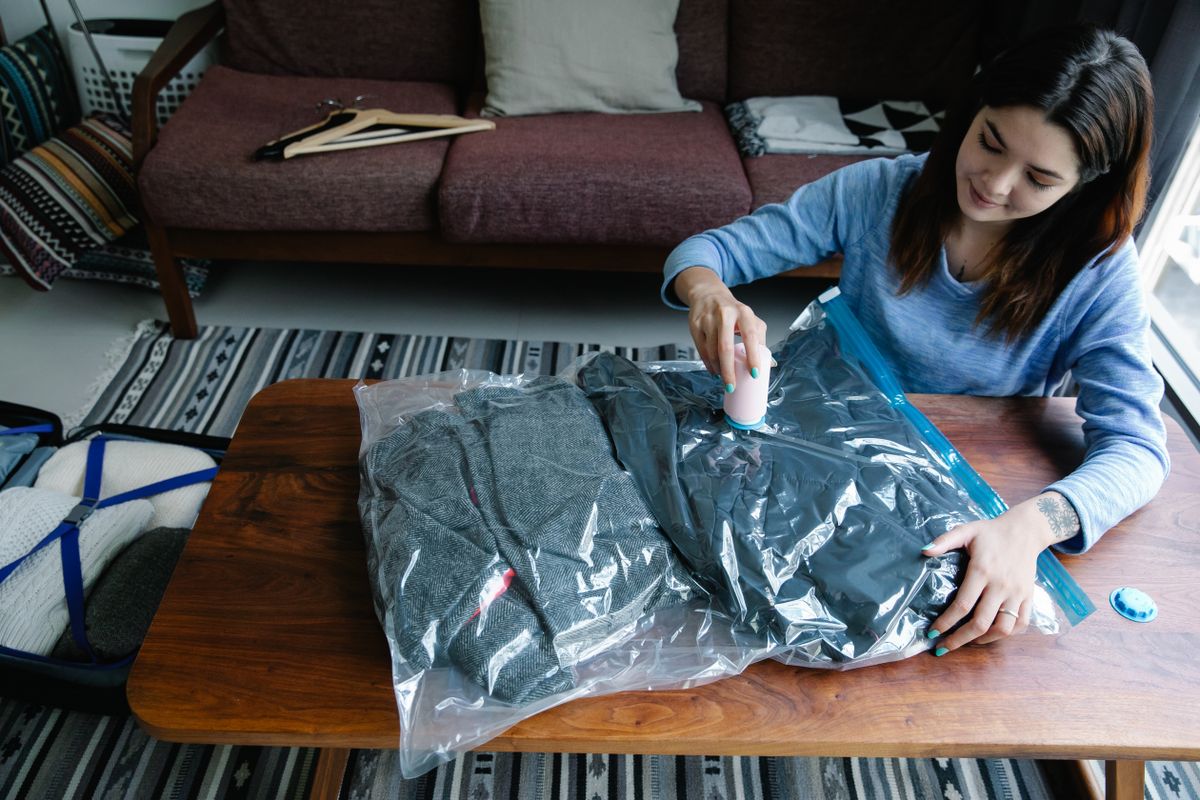
With $5,000, you can’t launch 12 SKUs. Start with one killer product — a 6-pack or 8-pack vacuum bag set in the most popular sizes (60×80cm + 80×100cm combo). Include a hand pump. Retail price target: $19.99–$24.99.
At $1.20–$1.80/unit FOB from a factory like Qingdao Sanyuan, 1,000 units will cost $1,200–$1,800. This gives you enough inventory to validate demand without overcommitting.
For choosing the right factory, see our direct factory sourcing and cost savings guide.
Step 2: Branding on a Budget
You can’t afford a branding agency. Here’s what you CAN do:
- Logo: Use Canva Pro ($13/month) or hire a Fiverr designer ($50–$150) for a simple, clean logo.
- Brand name: Keep it short, memorable, and available as a .com domain and Amazon Brand Registry-eligible trademark. Check USPTO TESS database before committing.
- Color palette: Pick 2–3 colors. Stick to them across your packaging, website, and Amazon listing.
- Brand story: Write 2–3 paragraphs about why you started this brand. Amazon customers who connect with your story convert at higher rates.
Step 3: Packaging Design Without a Designer
Your packaging IS your brand experience. For $500–$700, here’s the approach:
- Cardstock insert card: $0.15–$0.25/unit. A 5×7″ card inside the bag with your brand story, usage instructions, and a QR code to a “thank you” page or review prompt. Print 1,000 at Vistaprint or a local printer for $150–$250.
- Header card / belly band: $0.10–$0.20/unit. A printed cardstock band wrapping the rolled bags, displaying your logo, features, and barcode. These can be printed affordably in China alongside your order.
- Ziplock outer bag with sticker: $0.08–$0.12/unit. Clear resealable bag with a branded sticker. Stickers cost pennies in bulk.
The total packaging cost should land around $0.50–$0.70/unit — professional-looking but not over-engineered. For more, see our private label packaging and branding guide.
Step 4: Product Photography — Don’t Skimp
This is where many $5,000 brands make a fatal mistake. Bad photos = no sales. Allocate $200–$400 for:
- White background shots (3–5 images): $50–$100 on Fiverr or use an AI background remover + your smartphone on a white poster board.
- Lifestyle shots (2–3 images): $100–$200 via a local photographer or friend with a good camera. Show the bags in a bedroom, closet, or suitcase.
- Infographic images (2–3 images): $50–$100 on Fiverr. Show dimensions, compression ratio, “before and after,” and key features with callout text.
Amazon requires at least 7 images for a complete listing. Don’t launch with fewer than 5.
Step 5: Amazon vs Shopify — Where to Launch First
| Factor | Amazon FBA | Shopify |
|---|---|---|
| Setup cost | $39.99/month (Professional) | $39/month (Basic) |
| Built-in traffic | Massive — 300M+ customers | Zero — you drive all traffic |
| Fees | 15% referral + FBA fees | 2.9% + $0.30 transaction |
| Best for $5K budget | YES — start here | Later — after validation |
Recommendation: Launch on Amazon FBA first. The built-in traffic means your $800–$1,000 PPC budget goes toward converting existing demand, not creating it from scratch. Once you’ve proven the product and have cash flow, build a Shopify store as your brand home.
For more Amazon strategy, see our Amazon FBA vacuum bag seller’s guide.
Step 6: The First 1,000 Sales — Launch Strategy
- Week 1–2: Amazon PPC auto campaign at $20/day. Collect search terms. Enable Vine reviews program (free products for reviews — budget 30 units).
- Week 3–4: Launch manual PPC campaigns targeting top-converting search terms. Increase budget to $30–$40/day. Run a 20% off launch coupon.
- Month 2: Analyze PPC data. Cut losing keywords, scale winning ones. Email your personal network. Post in relevant Facebook groups (organically, not spammy).
- Month 3: By now, you should have 15–30 reviews and 300–500 sales. Profitable? Reinvest profits into inventory reorder. Not working? Pivot before you burn through remaining budget.
What NOT to Spend Money On
- Custom website (yet): Use Amazon as your storefront.
- Influencer marketing (yet): No one will promote a product with 0 reviews.
- Trade shows: $3,000+ for a booth is your entire budget.
- Patent filing: $5,000–$15,000. Trademark and design patent later.
- Fancy packaging: Customers rip it open and throw it away. Focus on the product.
Conclusion
$5,000 is not a lot of money to start a brand — but it’s enough if you’re ruthlessly focused. Spend on product, photos, and Amazon ads. Skip everything else. Validate demand with real sales before investing another dollar. The brands that succeed on a shoestring are the ones that treat every dollar as an investment in generating that first sale — not in making things look pretty before anyone is buying.
Ready to source your first 1,000 units? Contact Qingdao Sanyuan for OEM vacuum bag quotes with MOQs as low as 1,000 pieces.