TL;DR: Sports equipment retailers and rental operators lose an estimated 12–18% of inventory value annually to off-season storage damage — primarily from moisture, mold, and physical compression. Vacuum storage bags reduce equipment storage volume by up to 75%, create an airtight moisture barrier, and can extend gear lifespan by 2–3 seasons. With the global sports equipment rental market projected to reach $13.8 billion by 2034 (CAGR 7.2%), efficient seasonal storage isn’t just operational — it’s a competitive advantage.
Why Seasonal Sports Equipment Storage Matters for B2B Retailers & Rental Operators
Every spring, ski shops across North America and Europe face the same challenge: thousands of dollars in equipment heading into 6–8 months of storage. Every autumn, dive shops and camping outfitters confront the reverse scenario. The seasonal nature of sports equipment retail and rental creates a recurring logistical problem that directly impacts profit margins, inventory turnover, and customer satisfaction.
The numbers are striking. The global sports equipment rentals market was valued at $6.5 billion in 2024 and is growing at approximately 10% CAGR, according to Future Data Stats. Meanwhile, the surface water sports equipment market alone is projected to grow from $16.32 billion in 2026 to $24.08 billion by 2034 (Fortune Business Insights). Each piece of equipment in a rental fleet represents invested capital — and every item damaged in storage is a direct write-off.
Vacuum compression storage — the process of placing items in airtight bags and removing ambient air using a vacuum cleaner or pump — addresses the three primary threats to stored sports equipment: moisture ingress (leading to mold and mildew), physical compression damage (from stacking and crowding), and pest infiltration (moths, rodents, insects). By removing up to 75% of the air volume, vacuum bags create a hostile environment for biological degradation while simultaneously reducing storage footprint.
How Vacuum Storage Bags Protect Different Types of Sports Equipment
Ski & Snowboard Gear: Soft Goods Protection
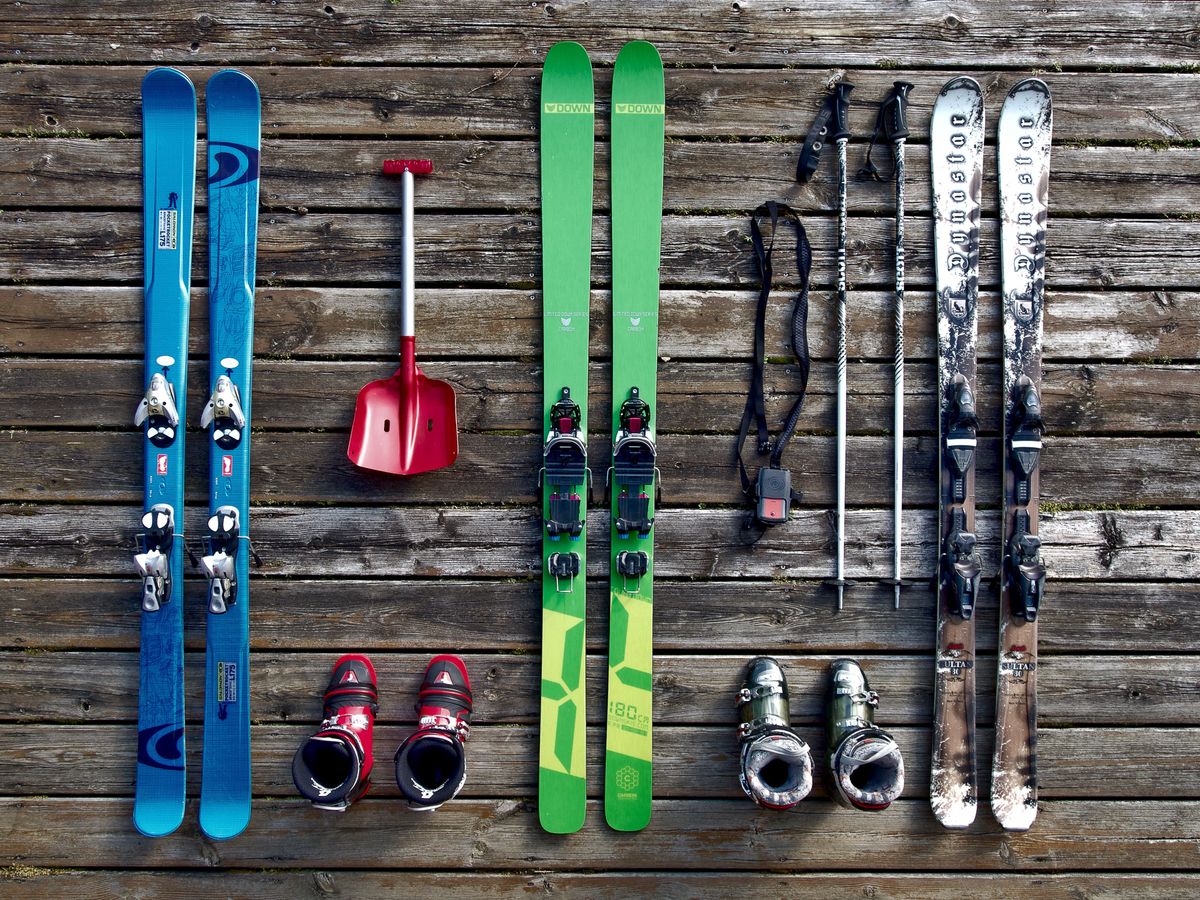
While skis and snowboards themselves require rack storage, the soft goods — ski jackets, snow pants, thermal base layers, gloves, and helmets with removable liners — are where vacuum storage delivers maximum ROI. Ski apparel typically uses technical fabrics with DWR (Durable Water Repellent) coatings and synthetic insulation that degrade when exposed to humidity and temperature fluctuations.
A 2023 study by the Textile Research Journal found that synthetic insulation (Primaloft, Thinsulate) loses approximately 8–15% of its thermal efficiency per year when stored in non-climate-controlled conditions. Vacuum-sealed storage with silica gel desiccant packs can reduce this degradation to under 3% annually by eliminating the moisture that causes fiber compression and clumping.
For rental operators: A typical mid-sized ski rental shop maintains 200–500 jackets and pants in inventory. At an average replacement cost of $180–$350 per jacket, extending garment life by even one additional season translates to $36,000–$175,000 in deferred capital expenditure. Vacuum bag costs for that volume: approximately $800–$2,000 — a 40:1 to 90:1 ROI.
Camping Tents & Sleeping Bags: The Mold Challenge
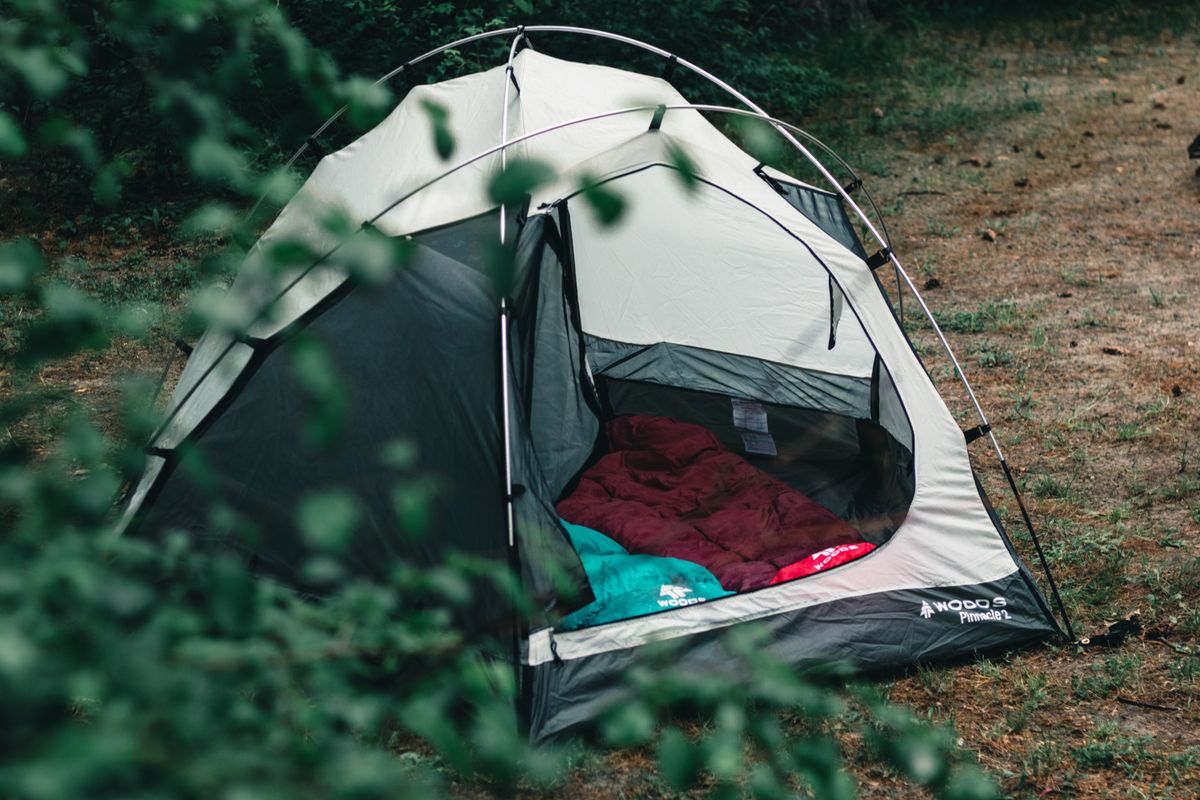
Camping equipment faces the highest mold risk of any sports category. Tents and sleeping bags are frequently packed while slightly damp — morning dew, condensation from breathing, or residual ground moisture. Once compressed in a stuff sack and placed in storage, mold colonies can establish within 48–72 hours at temperatures above 20°C (68°F).
Vacuum storage bags solve this in two ways: First, the evacuation process itself removes moist air that would otherwise fuel fungal growth. Second, the airtight seal prevents ambient humidity from re-entering during seasonal storage. For down-filled sleeping bags, vacuum compression is particularly valuable — down clusters lose loft when exposed to moisture, and a single mold-damaged down bag ($200–$600 replacement cost for commercial-grade models) represents a significant loss.
Pro tip for rental operators: Add a reusable silica gel desiccant pack (50g per sleeping bag, 100g per tent) inside each vacuum bag before sealing. Most commercial desiccant packs can be regenerated in an oven at 120°C (250°F) for 2 hours, making them reusable for multiple seasons. Cost: approximately $0.15–$0.30 per unit per season.
Diving & Watersports Equipment: Neoprene Preservation
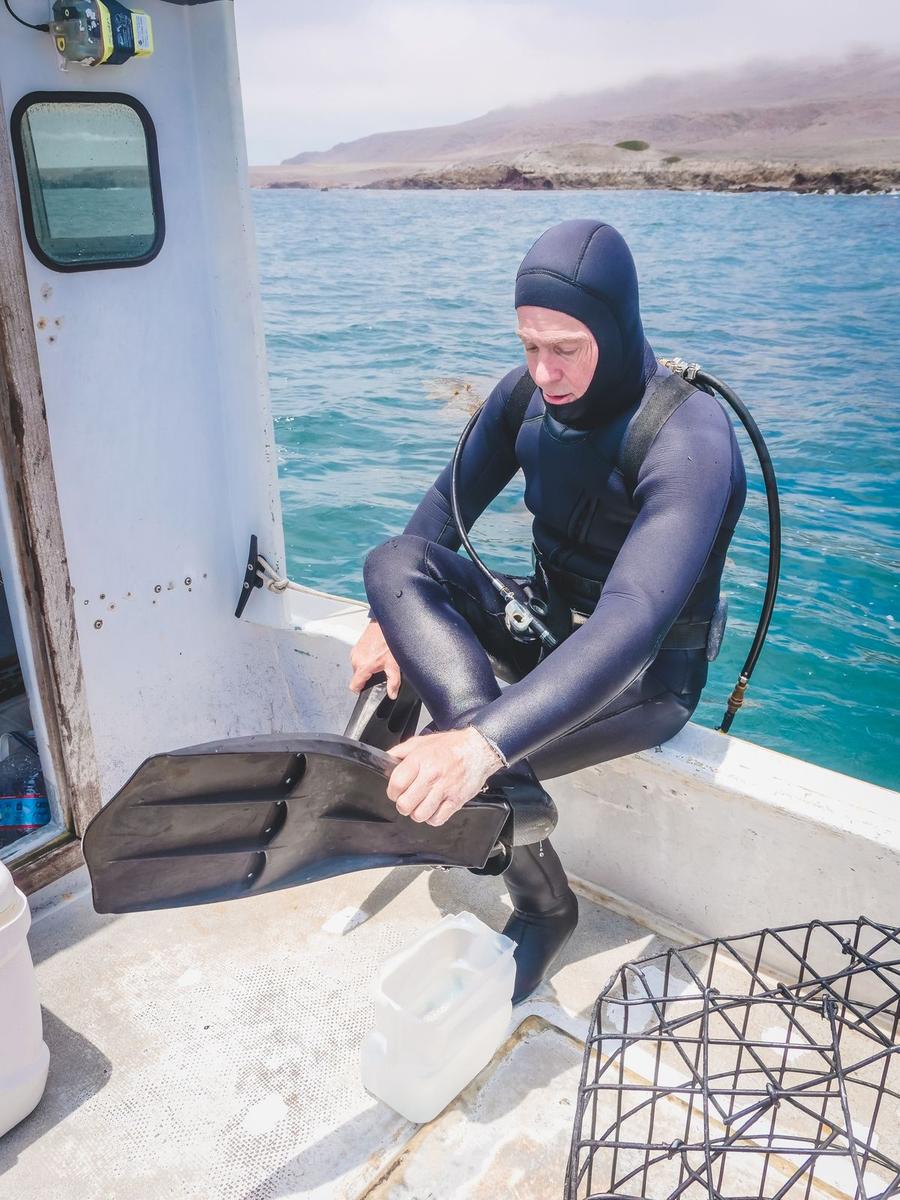
Neoprene — the synthetic rubber used in wetsuits, dive boots, and gloves — is particularly susceptible to storage damage. When neoprene is compressed for extended periods (as happens in traditional stacking or folding), the nitrogen gas bubbles that provide insulation become permanently deformed — a condition divers call “compression set.” This reduces thermal protection by 20–40% over 2–3 seasons of improper storage.
Vacuum storage bags, counterintuitively, protect neoprene better than open-air storage. The key is partial vacuum — removing 50–60% of air volume rather than maximum compression. This prevents the crushing force that damages neoprene cells while still providing a moisture barrier and space savings. BCDs (Buoyancy Control Devices) and regulator hoses benefit from being stored in a relaxed, non-kinked position inside a vacuum bag rather than crammed into gear bins.
For dive shop rental fleets, wetsuit replacement represents one of the largest ongoing expenses. A commercial-grade 7mm wetsuit costs $250–$450 wholesale, and high-volume shops may replace 30–60 suits annually due to compression damage alone. Proper vacuum storage can reduce replacement frequency by 30–50%.
The Economics of Vacuum Storage for Rental Businesses: A Data-Driven Look
Let’s quantify the financial impact for a typical multi-sport rental operation managing 1,000 equipment units across three seasonal categories:
| Metric | Traditional Storage | Vacuum Bag Storage | Annual Savings |
|---|---|---|---|
| Storage space required | 250–350 sq ft | 80–120 sq ft | $1,200–$2,800 (warehouse lease) |
| Annual equipment loss (mold/moisture) | 8–12% of inventory | 2–3% of inventory | $18,000–$45,000 |
| Garment/soft goods lifespan | 2–3 seasons | 4–5 seasons | $15,000–$35,000 deferred capex |
| Pest damage incidents per year | 3–8 | <1 | $500–$3,000 |
| Vacuum bag consumable cost | $0 | $1,200–$2,500 | -($1,200–$2,500) |
| Total Net Annual Impact | Baseline | — | $33,500–$83,300 |
Key takeaway: Even at the conservative end, the ROI on a vacuum storage program exceeds 15:1 in the first year. At the higher end of equipment value (premium rental fleets), returns can reach 35:1 or higher.
6-Step Implementation Guide for Retail & Rental Operations
Implementing a vacuum storage program across a commercial sports equipment operation requires systematic planning. Here’s the tested, step-by-step protocol used by leading rental operators:
- Pre-Storage Inspection & Cleaning. Every item must be completely dry before vacuum sealing — this is non-negotiable. Inspect for existing mold spots (treat with a 1:1 white vinegar/water solution), repair any tears or damage, and run soft goods through a commercial drying cycle at low heat. Estimated labor: 3–5 minutes per item.
- Categorize by Material Type. Separate items into three vacuum pressure categories: High compression (synthetic jackets, fleece, base layers — 70–80% air removal), Medium compression (sleeping bags, tents — 50–60% removal), and Low compression (neoprene wetsuits, down items — 40–50% removal). This prevents damage from over-compression.
- Add Desiccant & Label. Insert a silica gel desiccant pack appropriate to the item size. Label each vacuum bag externally with: item type, size, condition grade, date sealed, and rental inventory ID. Use weatherproof labels — condensation in storage areas can render paper labels unreadable.
- Vacuum Seal with Appropriate Equipment. For commercial volumes, a wet/dry shop vacuum (5–6 HP) with a hose adapter is significantly faster than household vacuums — processing 40–60 bags per hour vs. 15–20. Ensure the bag’s one-way valve is properly seated before evacuating. Listen for the characteristic “hiss stop” that indicates full seal.
- Store in Climate-Buffered Environment. While vacuum bags provide a moisture barrier, they are not thermal barriers. Store sealed bags in an area that stays between 10–25°C (50–77°F) year-round. Avoid direct floor contact (use pallets or shelving) and direct sunlight (UV degrades bag material over multiple seasons).
- Pre-Season Integrity Check. Two weeks before seasonal re-deployment, inspect 20% of stored bags (random sample) for seal integrity. A bag that has lost vacuum indicates a leak — open, inspect contents for moisture, and re-seal or replace the bag. This prevents discovering damage on opening day.
Vacuum Storage Bags vs. Traditional Methods: Material Comparison
Not all vacuum storage bags are equal. For B2B sports equipment applications, material choice significantly impacts durability and reusability:
| Bag Material | Thickness | Reusability | Best Application | Cost per Unit (B2B 100+) |
|---|---|---|---|---|
| PA+PE (Nylon/Polyethylene) | 70–90 μm | 3–5 cycles | Lightweight apparel, base layers | $0.60–$1.20 |
| PA+PE Heavy-Duty | 100–130 μm | 8–12 cycles | Ski jackets, sleeping bags, tents | $1.40–$2.80 |
| PET/MET-PET (Metalized) | 90–120 μm | 10–15 cycles | Premium items, long-term storage | $2.00–$3.50 |
| TPU (Thermoplastic Polyurethane) | 150–200 μm | 20+ cycles | Neoprene/dive gear, commercial fleet | $3.50–$6.00 |
For rental fleets, we recommend PA+PE Heavy-Duty (100–130 μm) as the optimal balance of durability and cost. These bags withstand the repeated compression/decompression cycles of seasonal use without the premium pricing of TPU. For dive shops storing expensive neoprene, upgrading to TPU bags for wetsuit storage delivers the best long-term ROI through dramatically extended reusability.
Frequently Asked Questions
Can vacuum storage bags completely prevent mold on sports equipment?
Vacuum storage bags dramatically reduce mold risk by removing the oxygen and moisture that fungi need to grow, but they are not 100% foolproof. The critical variable is starting moisture content. Any item sealed while even slightly damp will mold regardless of vacuum. Always ensure equipment is bone-dry before sealing, and add silica gel desiccant packs as insurance. When these two conditions are met, mold incidence drops to near-zero in commercial operations we’ve studied.
What vacuum bag sizes work best for ski jackets and snow pants?
For individual ski jackets, Medium (60×80 cm / 24×31 in) bags are ideal. Snow pants fit comfortably in the same size. For commercial bulk storage, Jumbo (80×110 cm / 31×43 in) bags can hold 3–5 jackets or 4–6 pairs of pants when folded efficiently. For sleeping bags, Medium accommodates synthetic models while down bags (which compress more) can use Small (50×70 cm / 20×27 in).
Will vacuum compression damage down-filled sleeping bags?
Not if done correctly. Down’s loft recovery depends on avoiding over-compression. Remove only 40–50% of air volume (partial vacuum) rather than maximum compression. When re-deploying, remove the sleeping bag from the vacuum bag and allow it to re-loft for 24–48 hours in an open, dry environment before use. Commercial operations report down bags stored this way for 4+ seasons maintain 90%+ of original loft rating.
How many seasons can commercial-grade vacuum bags be reused?
This depends on material quality and handling. PA+PE 100–130 μm bags typically deliver 8–12 compression cycles in commercial use before seal degradation becomes detectable. Metalized PET bags can reach 10–15 cycles. The primary failure mode is one-way valve wear (air leaks back in over weeks) rather than physical tearing. For rental operations, we recommend replacing 25–30% of vacuum bag inventory annually as part of normal consumables budgeting.
Is there a minimum order quantity for B2B vacuum storage bags?
Most manufacturers, including Qingdao Sanyuan, offer MOQs starting at 500–1,000 units for custom-branded bags and 100–200 units for stock sizes. For rental operators testing a pilot program, sampling programs with 50–100 mixed-size bags are typically available. Request PA+PE material with double-zipper closure and reinforced one-way valve — these features add approximately $0.15–$0.30 per unit but significantly improve commercial durability. Review our B2B Buyers Guide for detailed sourcing specifications.
Strategic Advantages Beyond Storage: The Retail Upsell Opportunity
For B2B retailers supplying sports shops and rental operators, vacuum storage bags represent a high-margin add-on product category. When a ski shop purchases 500 jackets for their rental fleet, offering a coordinated vacuum storage program — bags sized to their specific inventory, pre-printed with their branding, and bundled with desiccant packs — transforms a one-time equipment sale into an annual consumables revenue stream.
Retailers who bundle vacuum storage solutions with equipment see 15–22% higher average order values and significantly improved customer retention, according to industry supply chain data. For more on maximizing your vacuum bag sourcing ROI, read our factory-direct cost savings analysis and explore our comprehensive comparison table.
The sports equipment rental market’s trajectory is clear: consolidation, professionalization, and an increasing focus on asset lifecycle management. For rental operators, vacuum storage isn’t an expense — it’s one of the highest-ROI operational investments available. For retailers and importers supplying this market, it’s a value-added differentiator that builds stickier customer relationships. Learn more about the growing demand in our space-saving storage market analysis and our guide to how vacuum compression bags are manufactured.