In the competitive vacuum storage bag market, your packaging is often the first — and sometimes only — interaction a potential customer has with your brand. Whether displayed on a retail shelf peg hook or scrolling through Amazon search results, your packaging design can mean the difference between a sale and being overlooked. This guide covers the essential elements of vacuum bag packaging design that drive conversions in both physical retail and e-commerce environments.
The Power of Hang-Hole Design for Retail Display
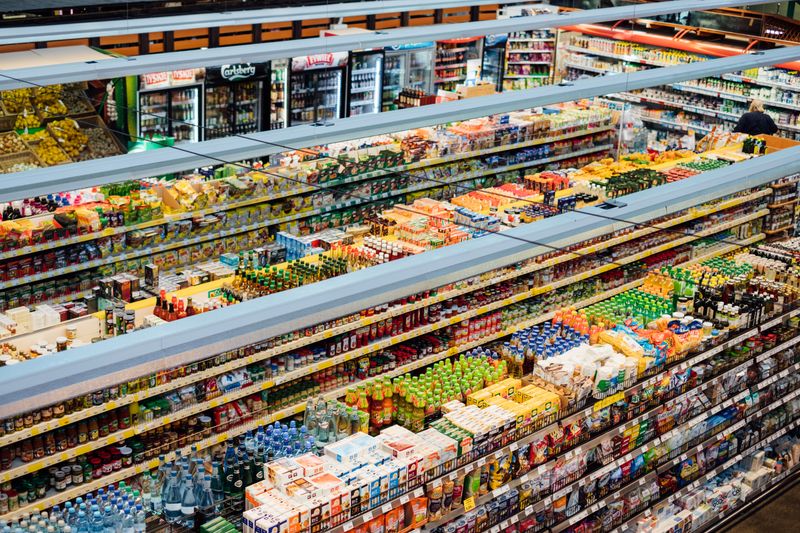
In brick-and-mortar retail, vacuum compression bags are almost always displayed on peg hooks in the home organization or cleaning supplies aisle. This makes your hang-hole design critically important. A Euro-slot hang hole (the elongated oval punch at the top of the packaging) must be precisely positioned and reinforced. A poorly cut or too-thin hang hole results in torn packaging, fallen products, and frustrated retailers who may delist your SKU.
The optimal hang-hole placement is 5-8mm from the top edge, centered horizontally, with a reinforced board backing to prevent tearing. The hole should accommodate standard peg hook diameters of 4-6mm. For heavier multi-pack vacuum bags (10-count or more), consider a double-reinforced hang tab with a tear-resistant laminate. Some brands are now using shaped hang tabs — custom die-cut shapes that incorporate the brand logo, making the product recognizable even when the lower portion is obscured by adjacent products on a crowded pegboard.
For retailers like Walmart, Target, and HomeGoods, packaging must also include clear shelf-ready features: barcodes (UPC/EAN) printed on the back or bottom panel, clear product dimensions and weight, and compliance markings for the retailer’s specific planogram requirements.
Color Psychology and Visual Hierarchy
Color choices on vacuum bag packaging are not merely aesthetic — they communicate your brand promise and product positioning. Blue and white combinations dominate the market because they convey cleanliness, freshness, and organization — exactly what customers seek in storage products. Green accents signal eco-friendliness, increasingly important for European and millennial consumers. Bold oranges and reds can differentiate your brand on crowded shelves but should be used sparingly as accent colors rather than dominant hues.
The visual hierarchy on your packaging should guide the customer’s eye in this order: (1) Brand name/logo at the top, (2) Product benefit headline (e.g., “Save 75% More Space” or “Triple Your Closet Capacity”), (3) Hero image showing the vacuum bag in use with a before/after comparison, (4) Key features as icons or bullet points (airtight, reusable, multi-size pack), and (5) Quantity/count prominently displayed.
Bilingual and Multilingual Packaging
For importers targeting multiple markets, bilingual or multilingual packaging can reduce SKU complexity and printing costs. A single packaging design that includes English, French, and Spanish covers the North American market comprehensively. For European distribution, English, German, French, Italian, and Spanish (often called “EU5” packaging) maximizes market coverage with a single SKU.
The key is to maintain clear visual hierarchy across languages — use color coding or flag icons to separate languages, and ensure regulatory text (material composition, safety warnings, recycling information) appears in all required languages. In the EU, the CE marking and REACH compliance statements must appear in the official language(s) of the member state where the product is sold. For more on certification requirements, see our guide on quality control and inspection.
Eco-Friendly Packaging Trends in 2026
Sustainability has moved from a nice-to-have to a competitive requirement in 2026. Major retailers including Amazon, Walmart, and Carrefour have implemented packaging sustainability scorecards that affect product discoverability and even delisting decisions. For vacuum bag packaging, this means reducing plastic content in the outer packaging (ironic, given the plastic product inside), using FSC-certified cardboard backings, and incorporating post-consumer recycled (PCR) content.
Kraft paper-based packaging with minimal plastic windows is gaining traction. Some innovative brands are using 100% recyclable paperboard with strategic die-cut windows to showcase the product without plastic blisters. Soy-based inks, water-based adhesives, and compostable hang tabs are additional features that strengthen your sustainability credentials.
Amazon-Ready Packaging Requirements
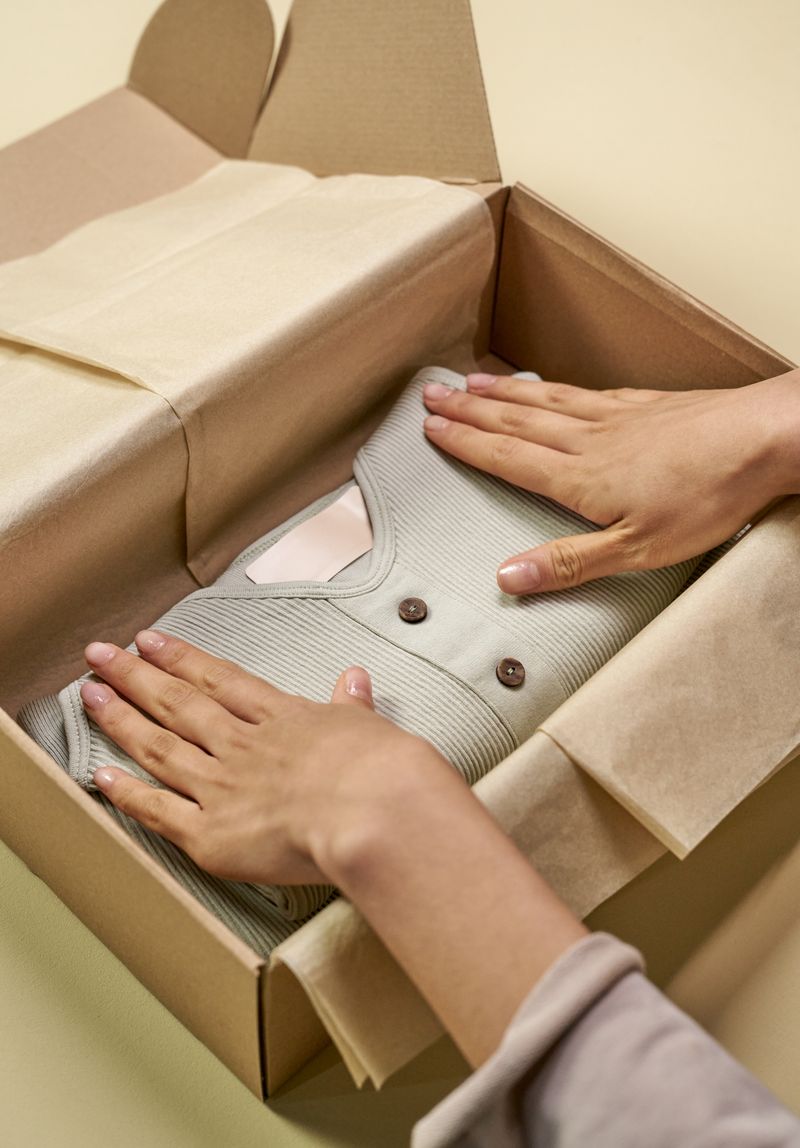
If you’re selling through Amazon FBA, your packaging must comply with Amazon’s specific requirements. Products must be enclosed in secure, tamper-evident packaging that withstands the fulfillment process. Amazon’s Frustration-Free Packaging (FFP) program incentivizes easy-to-open, recyclable packaging with reduced fees and a certification badge that boosts conversion rates.
For our detailed guide on selling through Amazon, check out our Amazon FBA seller’s guide. When developing your private label brand, packaging should align with your broader brand identity strategy — visit our private label and branding guide for a comprehensive walkthrough of launching your own vacuum bag brand from concept to shelf-ready product.