Why Dropshipping Vacuum Storage Bags Is a Smart Move in 2026
The global dropshipping market surpassed $200 billion in 2025 and continues to grow at over 20% annually. Vacuum storage bags sit squarely in the sweet spot: they’re lightweight, non-fragile, high-margin, and solve a universal problem — people always need more space. For B2B importers, adding vacuum bags to a dropshipping catalog offers a low-risk entry into a product category with proven, year-round demand.
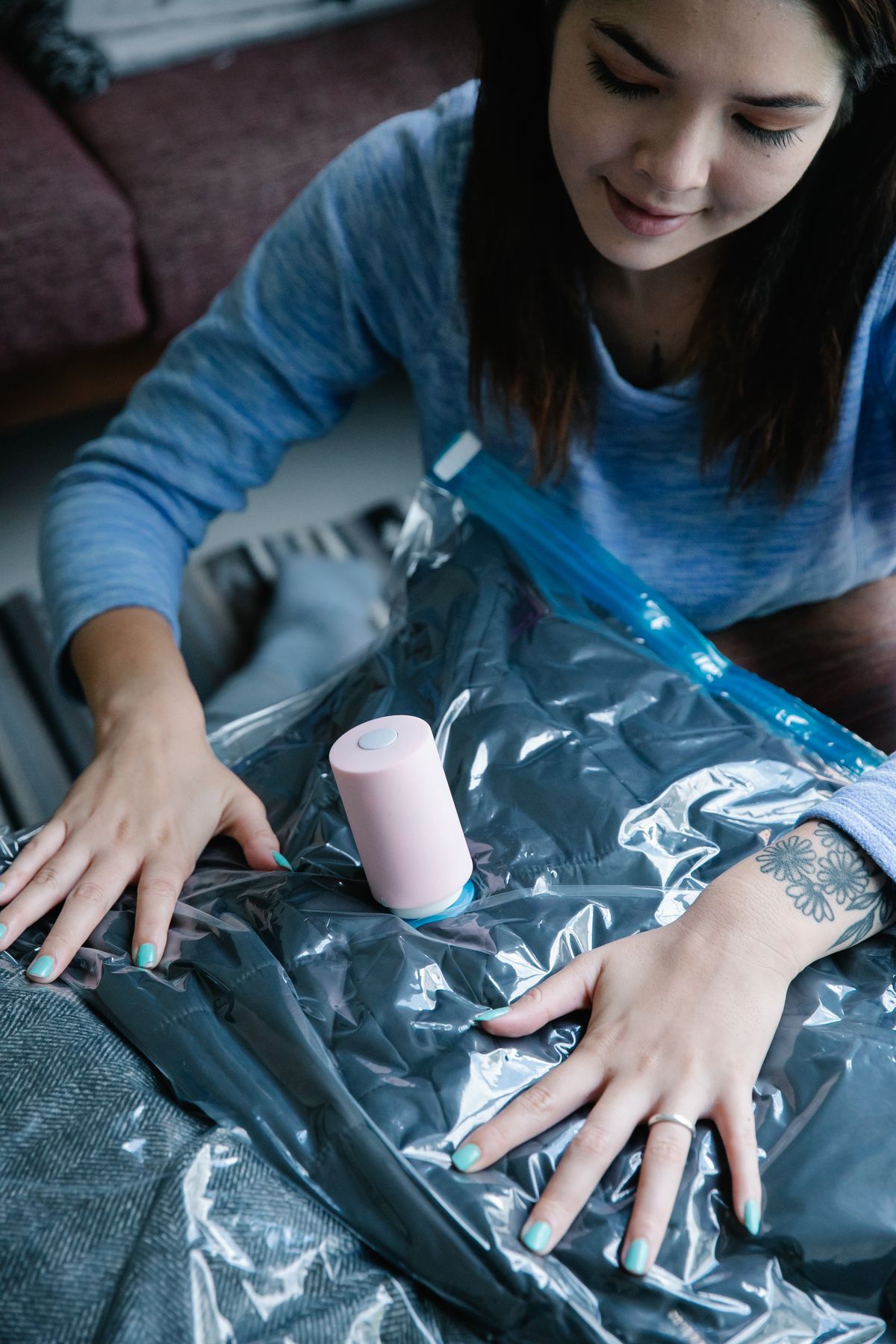
AliExpress Dropshipping vs. Direct Factory Sourcing
The biggest decision dropshippers face is where to source. AliExpress and similar marketplaces are tempting — no MOQ, instant product listings, and simple integration with tools like DSers or Oberlo. But the trade-offs are real: you’re paying retail-ish prices (often 3–5× factory cost), product quality is inconsistent, and shipping times can stretch to 30+ days.
Direct factory partnerships flip that equation. A manufacturer like Qingdao Sanyuan can offer FOB pricing 40–60% below AliExpress, consistent quality control (ISO 9001-certified production), and branded packaging. For dropshippers processing 200+ orders monthly, the savings alone justify the setup effort. Read our full comparison in Direct Factory Sourcing: Real Cost Savings & ROI.
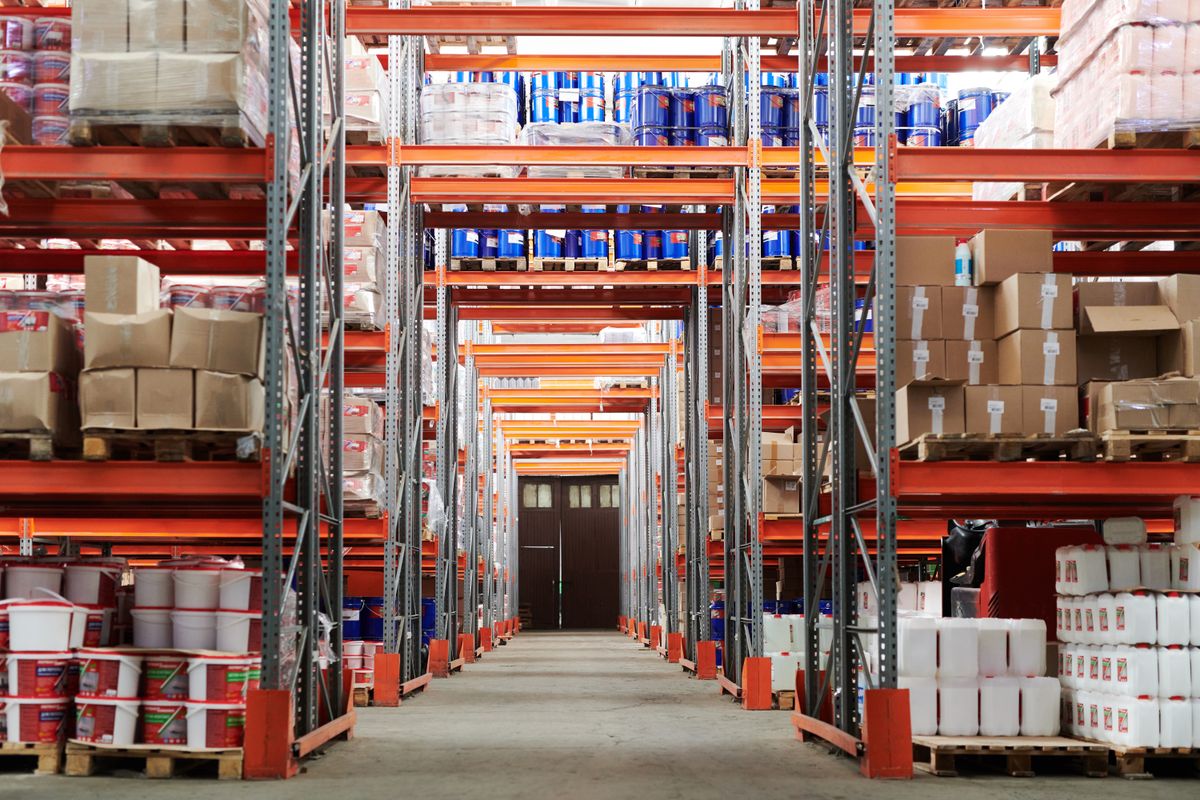
Fulfillment Centers & Third-Party Logistics (3PL)
Dropshipping doesn’t necessarily mean shipping from China one unit at a time. The most profitable model for vacuum bags is partial inventory + dropshipping: buy 500–1,000 units at factory-direct pricing, ship to a 3PL warehouse in the US or EU, and fulfill domestically in 2–5 days. This model combines factory margins with Amazon Prime-level delivery speeds.
Leading 3PL providers like ShipBob, Red Stag Fulfillment, and Deliverr offer per-unit pick-and-pack fees starting around $2.50–$4.00. For a 6-pack of vacuum bags retailing at $24.99 with a landed cost of $3.50, you’re looking at 55–65% gross margins even after fulfillment fees. Our Warehouse Inventory Management Guide covers storage best practices.
Packaging Requirements for Dropshipping Success
Dropshipping packaging must balance three competing demands: protection during transit, brand presentation, and dimensional weight optimization. Vacuum bags are forgiving — they’re flat and flexible — but retail-ready packaging dramatically improves customer experience. Consider these essentials:
- Branded poly mailers: Lightweight, water-resistant, and about $0.15–$0.30/unit at volume
- Insert cards: Include usage instructions and a discount code for repeat purchases
- Retail box option: For higher-priced SKUs (12-packs and above), a color-printed box lifts perceived value
- Frustration-free packaging: Amazon FBA sellers should review our private label packaging guide
Margin Analysis: What Dropshippers Actually Earn
Let’s break down the numbers for a typical 8-pack vacuum bag set:
| Cost Item | Per Unit |
|---|---|
| Factory cost (FOB, 500 units) | $2.80 |
| Sea freight + customs (prorated) | $0.55 |
| 3PL pick/pack/ship | $3.20 |
| Packaging materials | $0.40 |
| Total landed cost | $6.95 |
| Retail price (Shopify/Amazon) | $22.99 |
| Marketplace fees (~15%) | $3.45 |
| Net profit per unit | $12.59 |
At 500 units/month, that’s $6,295 in monthly profit — from one SKU. Scale to 5–10 vacuum bag variations (travel size, jumbo, hanging bags) and the numbers compound quickly. For Amazon-specific strategies, see our Amazon FBA seller’s guide.
Common Dropshipping Pitfalls to Avoid
- No quality sampling: Always order 3–5 samples before listing. A $50 sample order prevents hundreds in returns. Use our QC inspection checklist.
- Ignoring seasonality: Vacuum bags spike during moving season (May–September) and pre-holiday cleaning. Plan inventory 6–8 weeks ahead — our seasonal sales strategy guide maps peak windows.
- Poor listing optimization: Generic AliExpress photos won’t convert. Invest in lifestyle photography and A+ Content. Review social media marketing strategies for visual inspiration.
- Single supplier dependency: Diversify with at least 2 factory relationships. Learn negotiation tactics that protect your supply chain.
Getting Started: Your 30-Day Dropshipping Launch Plan
Week 1: Research competitors on Amazon and AliExpress. Identify 3–5 vacuum bag SKUs with strong demand and moderate competition. Week 2: Order samples from 2–3 factories on Alibaba or Made-in-China. Week 3: Set up your store (Shopify, WooCommerce, or Amazon), create listings with professional photos, and configure your 3PL integration. Week 4: Launch with a small ad budget ($10–$20/day on meta or Google), test messaging, and iterate. By month 3, you’ll have data to scale confidently.
For the latest market trends shaping 2026, read Vacuum Compression Bags Market Trends 2026. Ready to source direct? Contact Qingdao Sanyuan for factory pricing, samples, and dropshipping-ready packaging solutions.
External resources: Shopify Dropshipping Guide | Oberlo Supplier Directory | ShipBob Dropshipping Guide | Amazon Dropshipping Policy | Alibaba Vacuum Storage Bags