When sourcing vacuum compression bags from China, one of the most critical decisions you’ll face is choosing the right shipping method. Your logistics strategy directly impacts your profit margins, inventory lead times, and ultimately your ability to compete in the market. In 2026, with evolving global trade patterns and shifting freight rates, understanding the nuances of sea, air, and rail freight has never been more important.
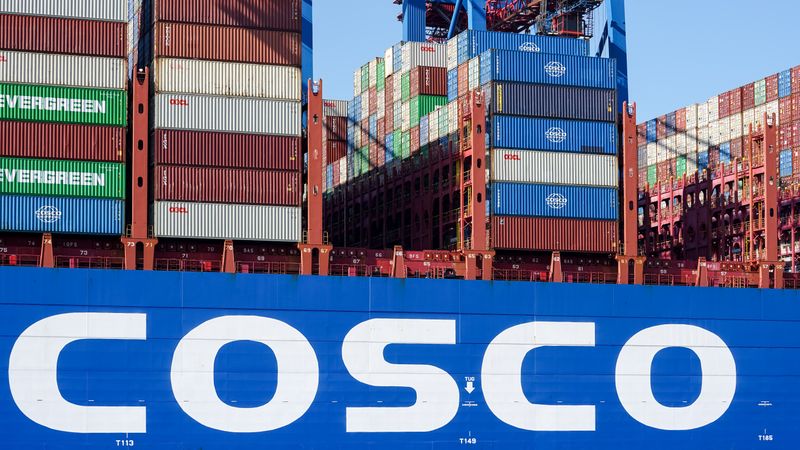
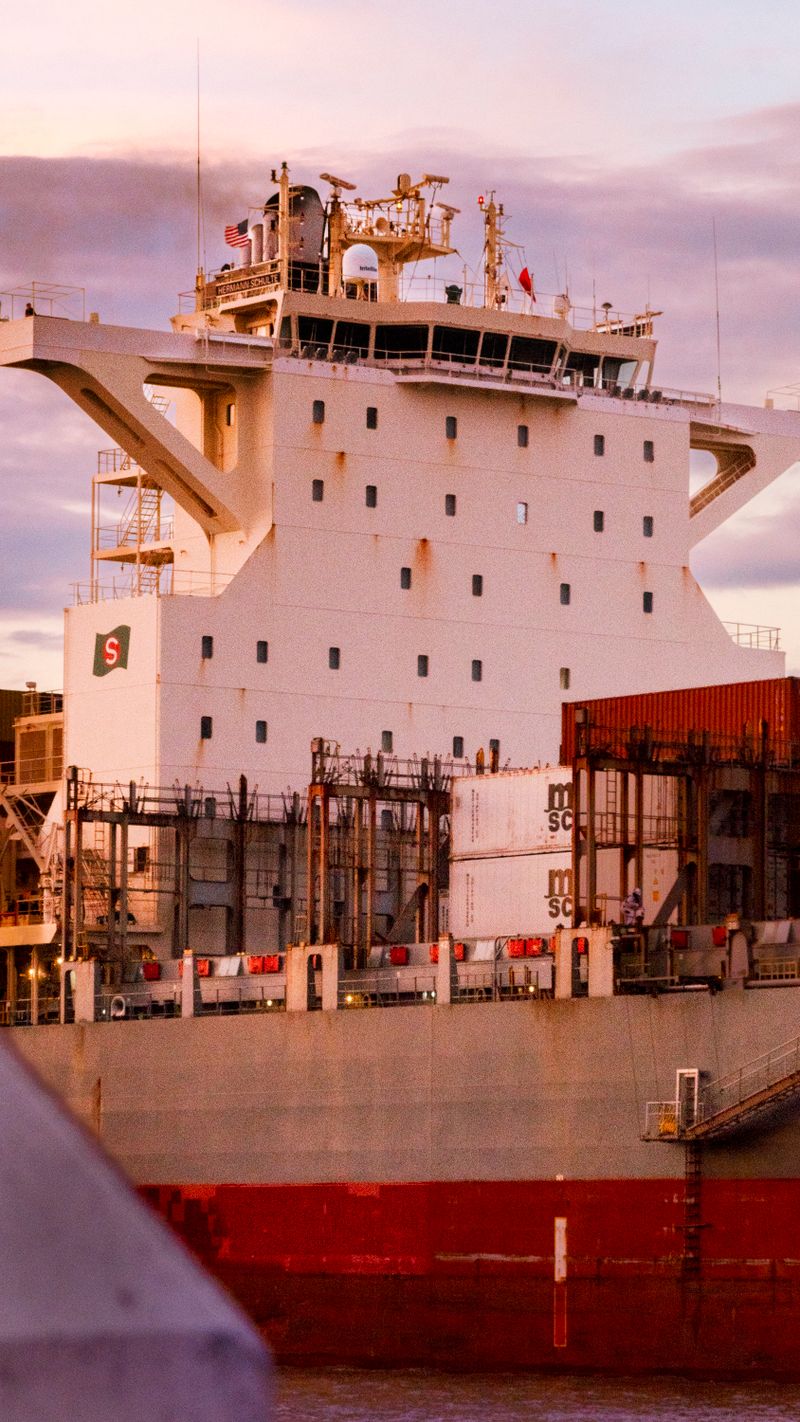
Sea Freight: The Backbone of Bulk Importing
Sea freight remains the dominant choice for vacuum bag importers, especially those ordering full container loads (FCL). A standard 20-foot container can hold approximately 180,000 to 250,000 vacuum compression bags depending on packaging dimensions, while a 40-foot high-cube container can accommodate 400,000 to 550,000 units. For most B2B importers placing orders in the range of 50,000+ units per shipment, FCL is the most cost-effective option.
For smaller orders, Less-than-Container Load (LCL) allows you to share container space with other importers. While the per-unit cost is higher than FCL, LCL is ideal for first-time orders or when testing new product lines without committing to a full container. As of mid-2026, LCL rates from major Chinese ports like Ningbo, Shanghai, and Shenzhen to US West Coast ports range from $45 to $75 per cubic meter, while East Coast destinations run $65 to $95 per cubic meter.
Transit times for sea freight from China to the US West Coast average 14 to 20 days, while East Coast shipments via the Panama Canal take 28 to 35 days. European destinations typically see 25 to 35 days to major ports like Rotterdam, Hamburg, or Felixstowe. Factor in an additional 5-7 days for customs clearance and inland transportation to your warehouse.
Air Freight: When Speed Trumps Cost
Air freight is the premium option for urgent restocking or high-value orders. Transit times from Chinese airports like Shanghai Pudong (PVG) or Guangzhou Baiyun (CAN) to major US and European hubs typically range from 3 to 7 days door-to-door. For vacuum bag importers, air freight makes sense in specific scenarios: launching a new product with a tight deadline, recovering from unexpected stockouts, or shipping small-batch samples for quality inspection.
The cost premium is substantial. Air freight rates for vacuum bags (which fall under volumetric weight calculations due to their packaging) typically range from $3.50 to $6.00 per kilogram from China to the US or EU in 2026. For a shipment of 10,000 vacuum bags weighing approximately 1,000 kg, you’re looking at $3,500 to $6,000 in freight costs alone — compared to perhaps $500-$800 via LCL sea freight. The trade-off is clear: air freight is 5-8 times more expensive but 3-5 times faster.
Rail Freight: The Emerging Middle Ground
The China-Europe Railway Express has matured significantly by 2026, offering a compelling middle ground between sea and air freight. Transit times from Chinese terminals like Chongqing or Zhengzhou to European hubs such as Duisburg, Germany or Malaszewicze, Poland average 14 to 18 days — roughly half the time of sea freight and at approximately 50-60% of the cost of air freight.
For vacuum bag importers serving European markets, rail freight is particularly attractive. A 40-foot container via rail costs roughly $6,000 to $8,000 from China to Europe, compared to $3,500 to $5,000 via sea freight and $20,000+ via air freight. Rail also offers more predictable schedules and lower carbon emissions — a factor increasingly valued by eco-conscious European retailers.
Understanding Incoterms: FOB, CIF, and DDP
Your choice of Incoterms significantly shapes your shipping strategy. FOB (Free on Board) means the Chinese factory bears all costs until the goods are loaded onto the vessel at the port of origin. You assume responsibility for freight, insurance, and import clearance — giving you control over logistics partners and potentially lower overall costs. This is the most common arrangement for experienced importers who have established relationships with freight forwarders.
CIF (Cost, Insurance, and Freight) places the burden on the seller to arrange and pay for shipping and insurance to your destination port. While convenient, you pay a premium for this convenience and have less visibility into the logistics chain. For first-time importers, CIF can simplify the process significantly.
DDP (Delivered Duty Paid) is the most hands-off option where the seller handles everything including import duties and taxes. This is increasingly popular for e-commerce sellers but commands the highest premium. When importing vacuum compression bags from China, DDP eliminates customs complexity but can add 15-25% to your landed cost compared to FOB.
2026 Freight Market Trends to Watch
Several trends are reshaping logistics for vacuum bag importers in 2026. Ocean freight rates have stabilized after the post-pandemic volatility, but geopolitical tensions in the Red Sea continue to force diversions around the Cape of Good Hope, adding 10-14 days to Asia-Europe routes. Smart importers are building buffer inventory and diversifying shipping lanes.
Digital freight forwarding platforms have matured, offering real-time rate comparisons, instant booking, and end-to-end visibility. Platforms like Flexport, Freightos, and ShipBob are increasingly accessible to mid-sized B2B importers. Additionally, sustainability pressure is pushing carriers toward greener fuels and carbon-offset programs — a consideration that may influence your brand positioning.
Practical Recommendations
For most vacuum bag importers, we recommend starting with LCL sea freight on FOB terms for initial orders under 50,000 units. This gives you control over logistics costs while keeping investment manageable. As volumes scale to 100,000+ units per shipment, transition to FCL for significant per-unit savings. For European importers, rail freight deserves serious consideration, especially for time-sensitive seasonal inventory. Visit our B2B buyer’s guide for more insights on building your supply chain strategy. And when you’re ready to source directly from factories, understanding logistics costs is the key to accurate landed-cost calculations.